Celestron
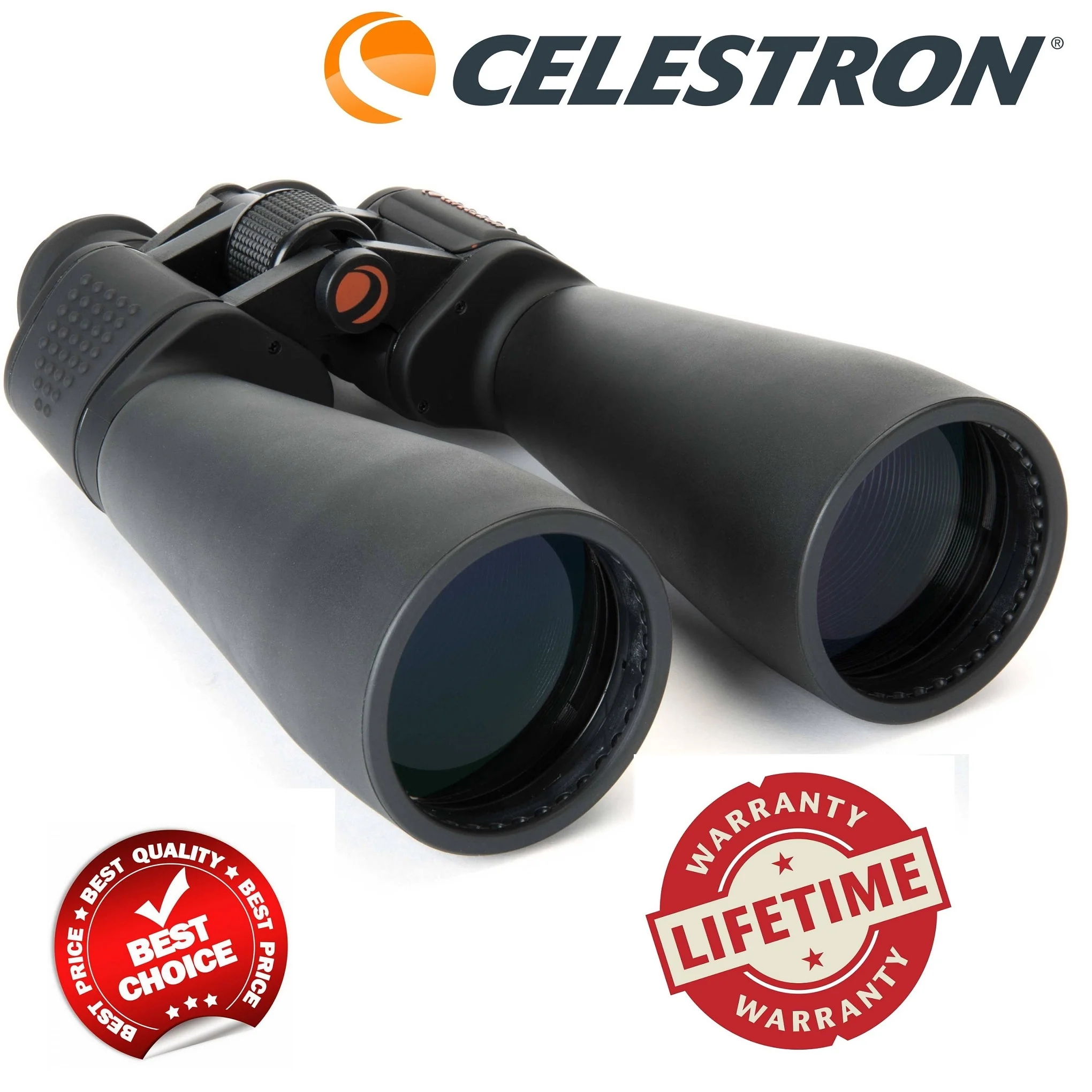
Celestron SkyMaster 25x70
The Celestron SkyMaster 25x70 delivers high 25x magnification for detailed lunar and planetary viewing. A tripod is mandatory due to the high magnification and 52 oz weight.
We may earn a commission. Price and availability on Amazon may differ.
Specifications
What do these mean? →Field of view, to scale
Why FOV matters →Top-down view · drawn to true scale — no exaggeration
Key Features
Owner Insights(190 discussions)
The SkyMaster 25x70 is the SkyMaster people buy when the 15x70 doesn't sound like enough power - and the model forum veterans most often talk people out of. The magnification is real and, on a solid tripod pointed at the Moon, genuinely thrilling: crater walls, mountain ranges, and terminator shadows pop in a way no 10x binocular can match. Terrestrial users may love it even more than astronomers do, treating it as a two-eyed spotting scope for harbors, ridgelines, and wildlife. But among binocular astronomers the consistent refrain is that the 15x70 is the smarter buy, because 25x through a 70mm objective yields a dim 2.8mm exit pupil and a keyhole-narrow field.
In practice, everything about the 25x70 rewards discipline and punishes casual use. Handheld viewing is simply off the table - at this power your pulse visibly shakes the stars - and the included plastic adapter plus a cheap tripod isn't enough; owners who upgrade to a solid tripod head describe it as transforming the binocular. Eye placement takes practice thanks to the small exit pupil, edge sharpness falls away in the outer third, and chromatic aberration paints purple fringes on the lunar limb. The famous SkyMaster collimation gamble applies here too, and it's less forgivable at 25x, where a slightly out-of-true pair causes headaches within minutes. Get a good unit on good support, though, and the center-field view is remarkably sharp for the money.
Buy the 25x70 if you specifically want maximum magnification on a budget and you already own (or will buy) a sturdy tripod - lunar observers, plane spotters, and coastal watchers fit that bill. For general stargazing, nearly everyone steers you to the SkyMaster 15x70 instead: brighter, wider, cheaper, and more forgiving. If you want real quality at high power, the SkyMaster Pro 20x80 or an Oberwerk 20x80 costs two to three times more but earns it. As a niche high-power tool at a rock-bottom price, though, the 25x70 delivers exactly what it promises - just read the fine print about the tripod first.
Pros
- +25x magnification is genuinely telescope-adjacent - owners are stunned by lunar crater detail and the ability to read boat names across a harbor
- +Highest power in Celestron's fixed-magnification SkyMaster line for barely more money than the 15x70
- +70mm BaK-4 porro prism optics with multi-coatings produce contrasty, punchy center-field views when mounted solidly
- +Excellent long-range terrestrial tool - wildlife watchers and coastal observers use it as a poor-man's spotting scope
- +Tripod adapter included in the box, so mounting on a photo tripod costs nothing extra
- +Resolves tight double stars and compact clusters that a 15x70 can't quite split
- +Rubber-armored chassis shrugs off knocks, and the collimation screws are reachable under the armor for DIY tune-ups
- +Often found under $120 on sale, making it the cheapest path to 25x magnification with 70mm of aperture
Cons
- −The 2.8mm exit pupil makes night-sky views noticeably dimmer than the 15x70 - a frequent 'wish I'd known' from first-time buyers
- −Completely unusable handheld - at 25x even heartbeat tremor smears the image, so a sturdy tripod is non-negotiable
- −Narrow 2.7-degree field of view makes finding objects in the night sky genuinely frustrating for beginners
- −Tiny exit pupil demands precise eye placement - blackouts and kidney-beaning annoy owners until they learn the sweet spot
- −Same collimation lottery as the rest of the budget SkyMaster line, and at 25x even slight misalignment causes instant eye strain
- −25x amplifies atmospheric shimmer, so daytime long-range views often boil and wobble in heat haze
- −Effective aperture falls short of the advertised 70mm due to internal vignetting, just like its 15x70 sibling
- −Included accessories are throwaway quality - loose objective caps, thin strap, and a soft case that protects nothing
Common Questions
Compare the Celestron SkyMaster 25x70
Related binoculars
Celestron
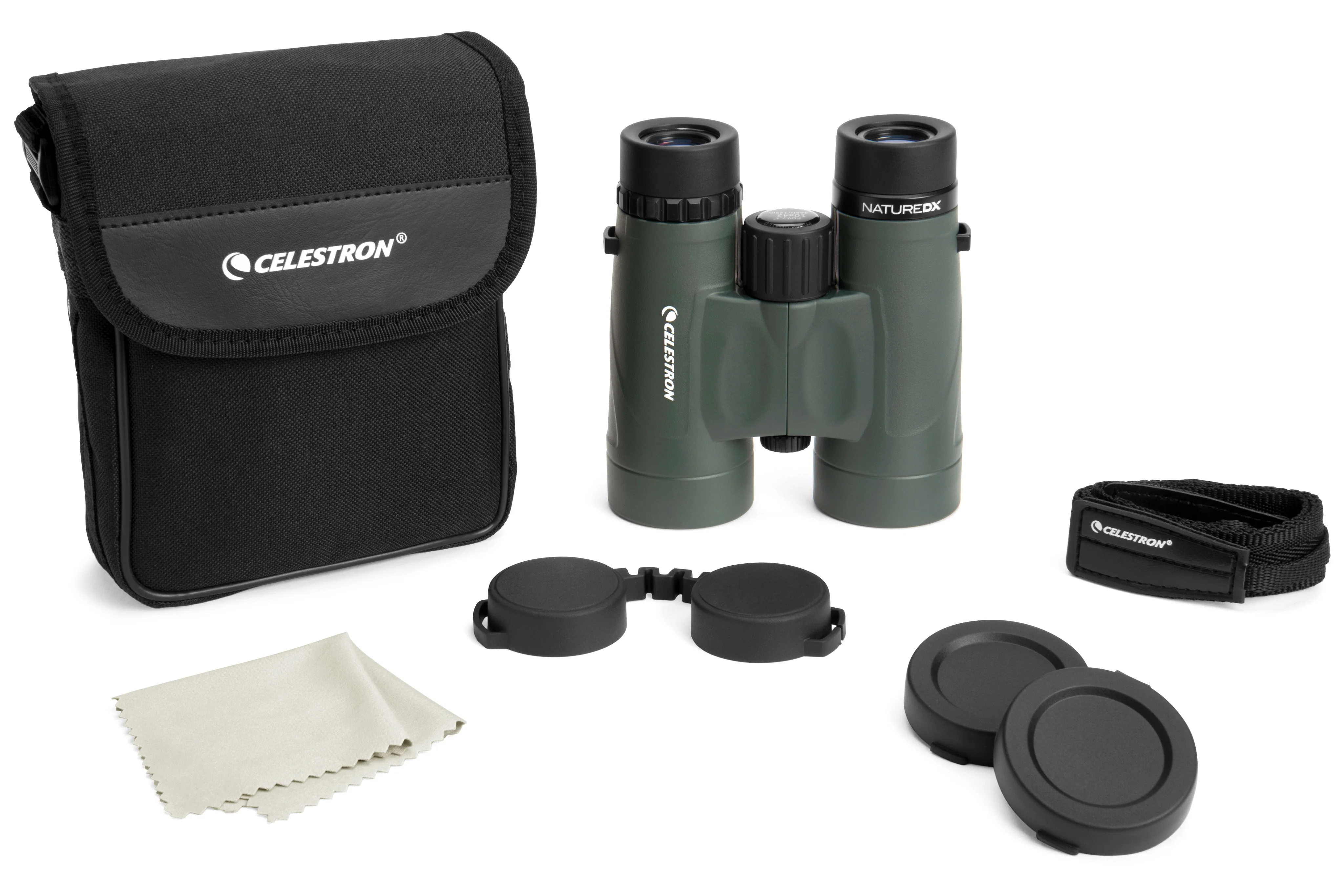
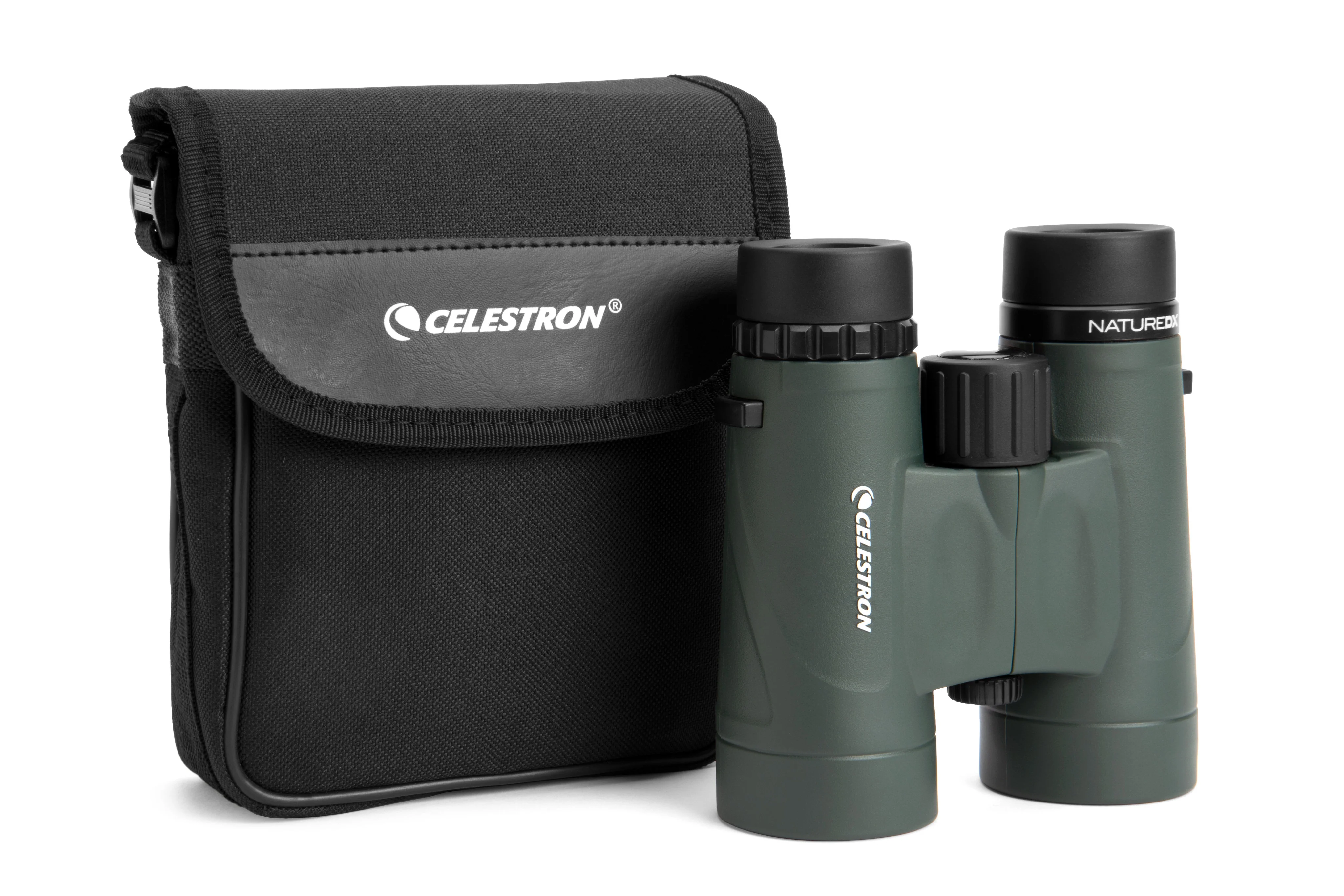
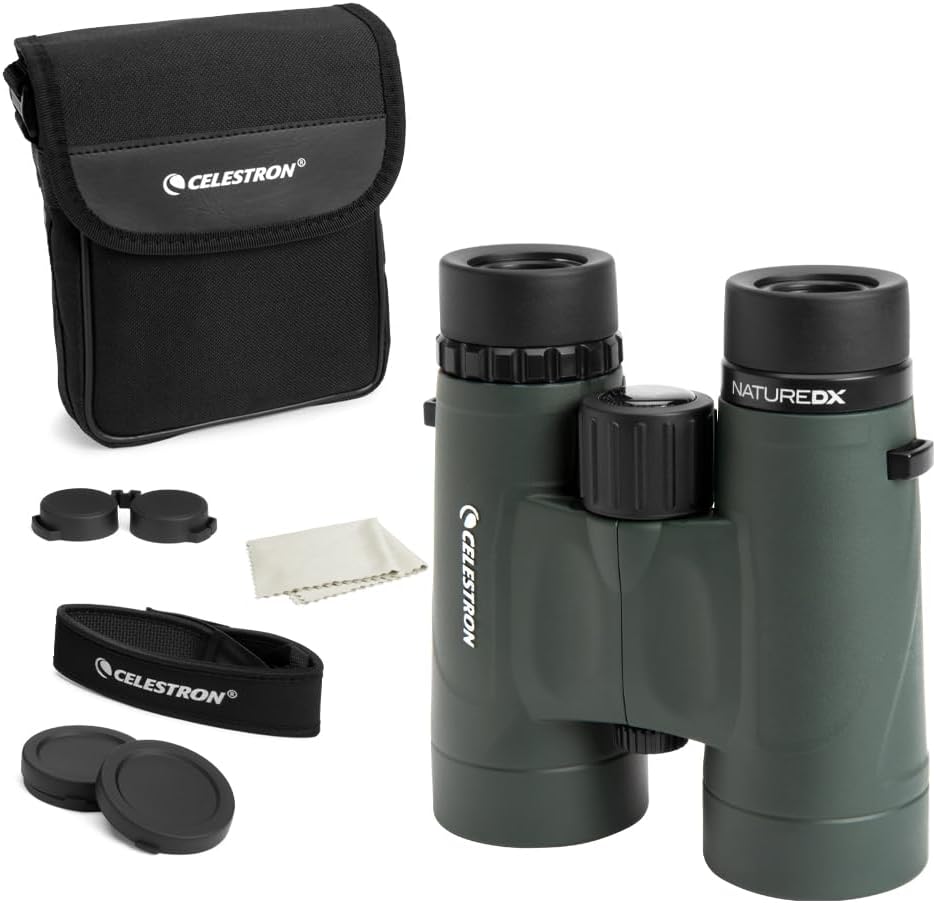
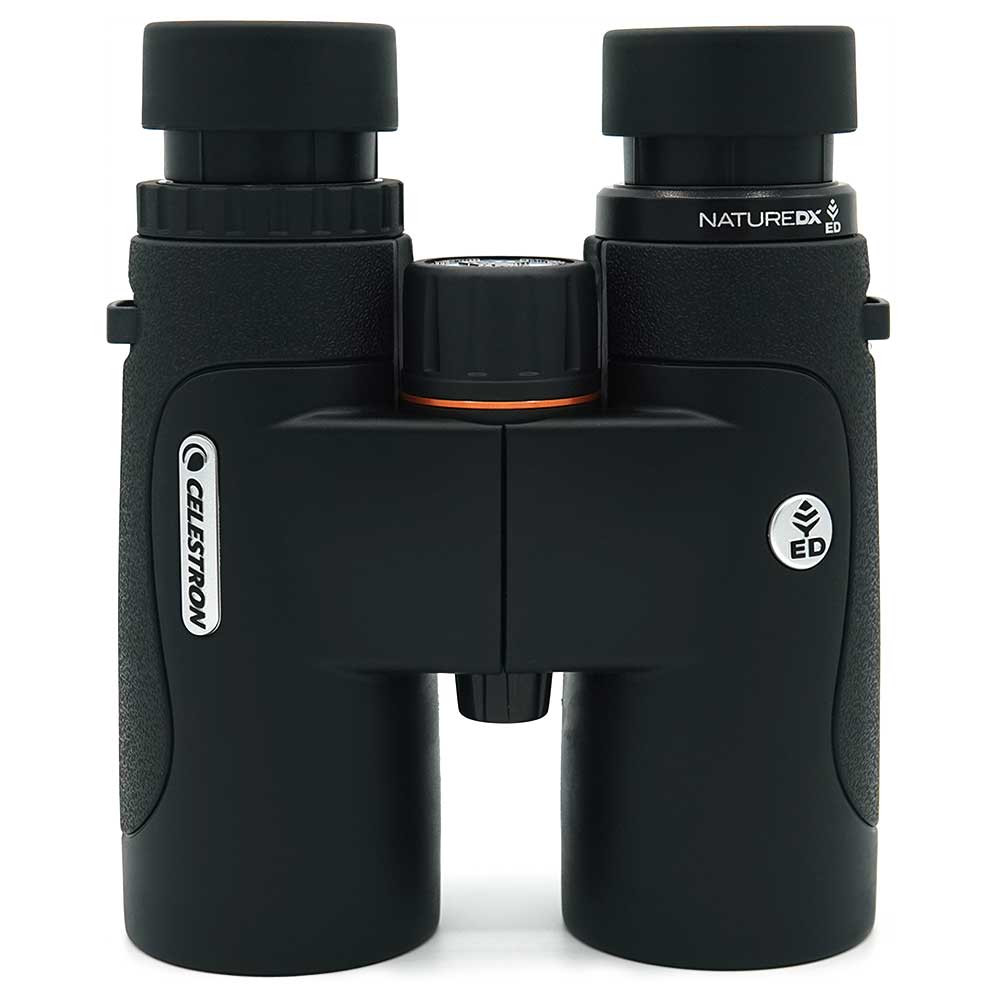
Celestron Nature DX ED 10x42
- Optic
- 10x×42
- FOV
- 304 ft
- Weight
- 22.7 oz
Celestron
Celestron Nature DX ED 8x42
- Optic
- 8x×42
- FOV
- 393 ft
- Weight
- 24.9 oz
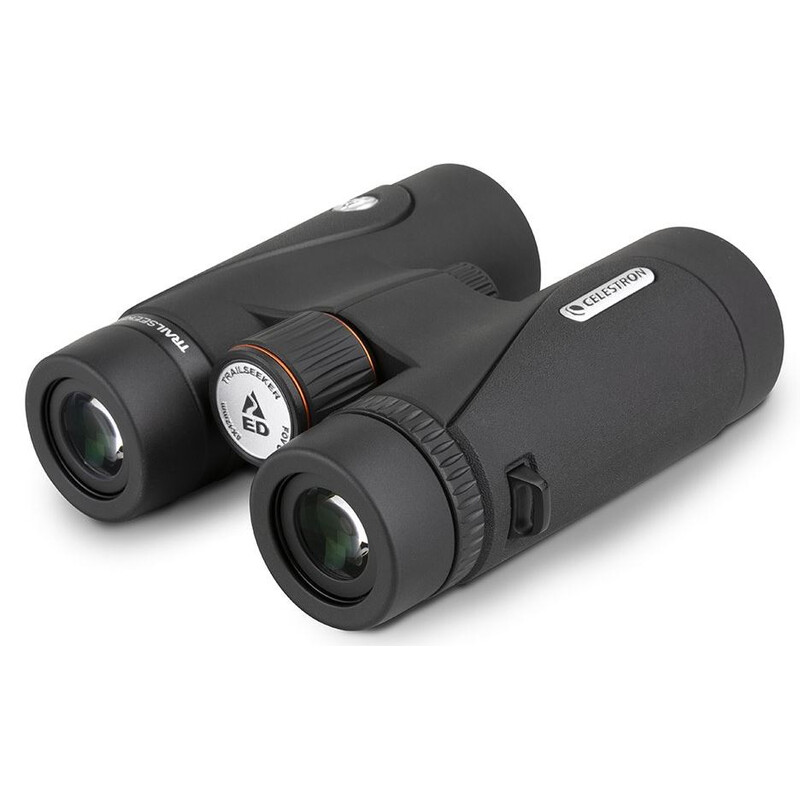
Celestron
Celestron TrailSeeker ED 8x42
- Optic
- 8x×42
- FOV
- 426 ft
- Weight
- 23.5 oz