Celestron Binoculars
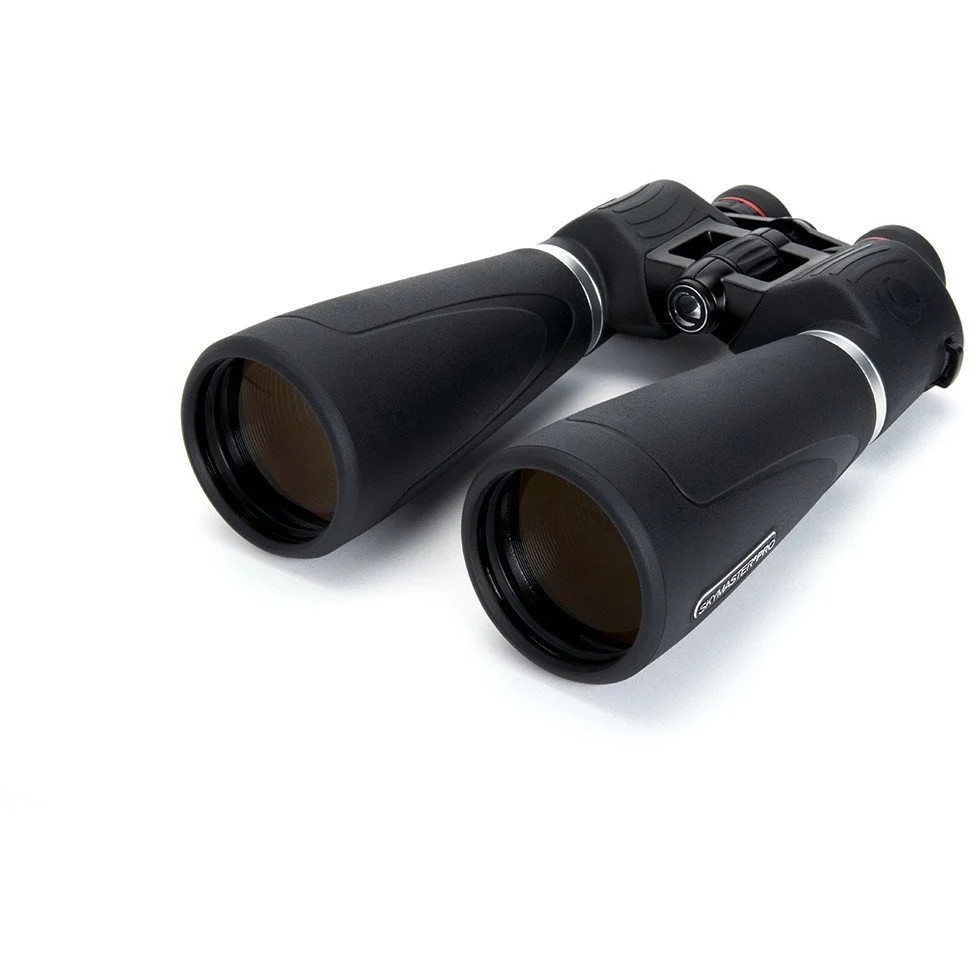
Celestron has 10 binoculars on The Bino List, priced from $130 to $380, spanning astronomy, birding, general purpose. The least expensive Celestron model here is the Celestron SkyMaster 15x70 at $130. Compare the full lineup below.
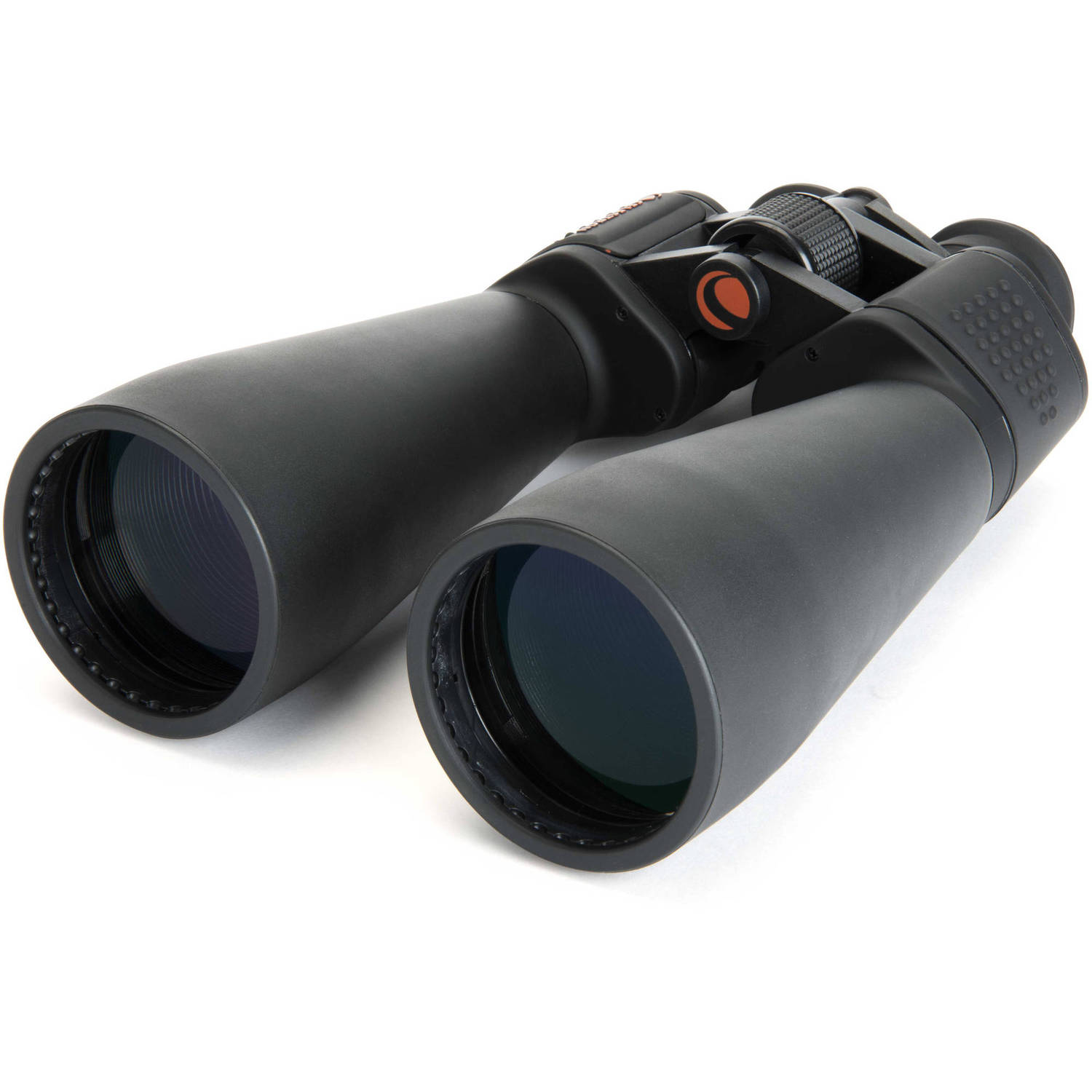
Celestron built its name on telescopes, starting with Tom Johnson's C8, and still ships from Torrance, California. That astronomy background explains half of its range: the SkyMaster porros are big, cheap, tripod-bound binoculars for the night sky, with 70mm objectives at $130 to $280. The other half are roof-prism nature binoculars that climb in three steps, from Nature DX ($149 to $157) to Nature DX ED ($230 to $240) to the magnesium-bodied TrailSeeker ($320 to $340), with the Regal ED 10x42 ($380) on top.
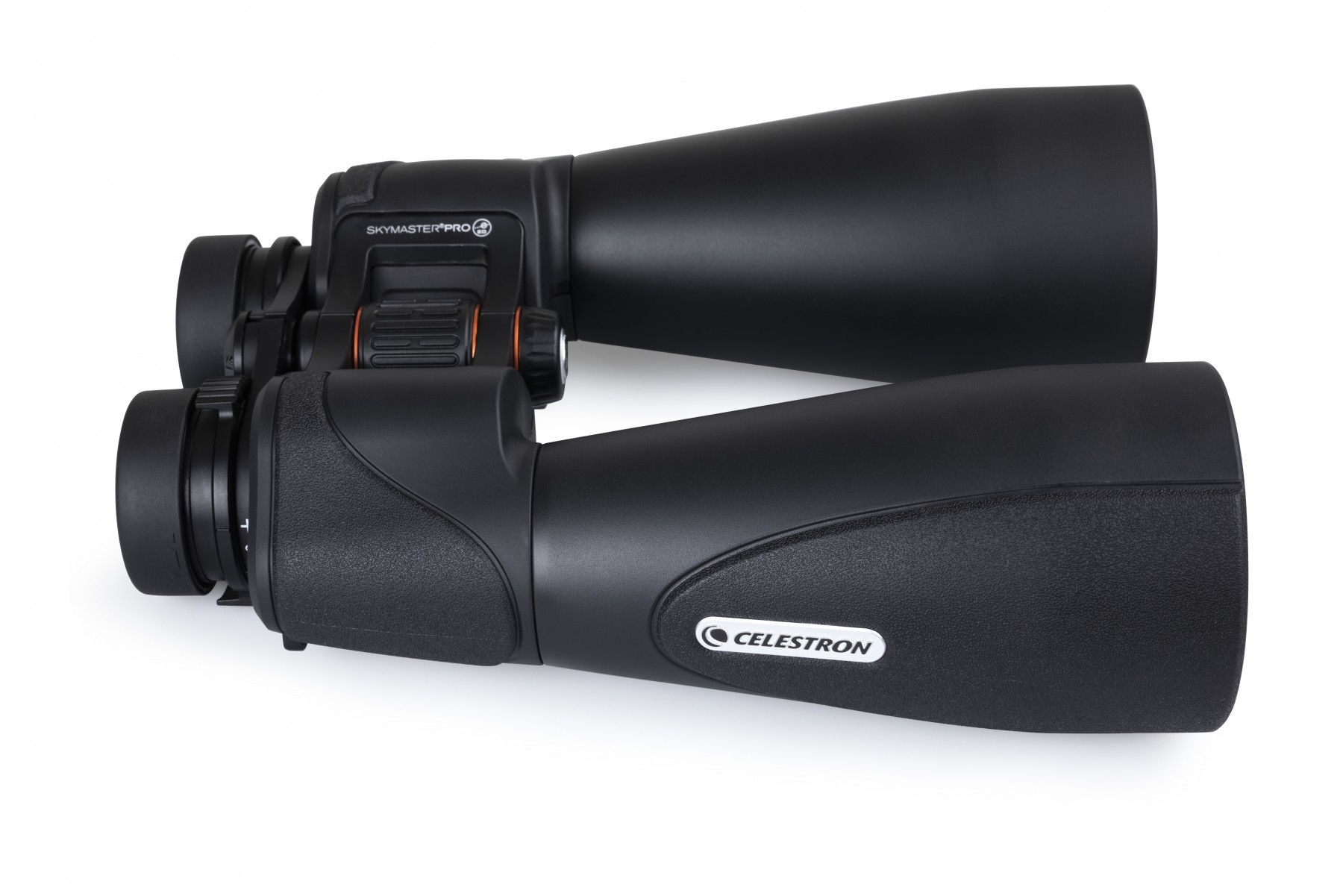
Each step adds something you can name. Nature DX ED adds ED glass to the Nature DX body. The TrailSeekers add dielectric prism coatings, a magnesium frame and a much wider view (426 ft at 1,000 yds on the 8x42s, against 388 to 393 ft on the Nature DX 8x42s). The Regal ED adds a locking diopter, 20.2mm of eye relief and a 4.9 ft close focus. On the astronomy side, the SkyMaster Pro 15x70 is the sealed, fully multi-coated version of the plain SkyMaster 15x70 at roughly twice the price.
Owners treat the Nature DX 8x42 as a safe first binocular, with 6.5 ft close focus that suits butterflies; its signature complaint is kidney-bean blackouts until you learn where to hold your eyes. Nature DX ED owners rate the glass above its price but dislike the narrow, collapsing eyecups and a sluggish focus wheel. TrailSeeker ED owners single out the wide field and brightness, and note a diopter that does not lock. Regal ED owners report edge-to-edge sharpness, a stiff focus wheel and eyecups that wander. SkyMaster 15x70 owners love the views and warn that units often arrive out of alignment.
That last point matters more than it would with other brands. Celestron's limited lifetime warranty covers only the original owner with proof of purchase, and collimation or alignment problems must be claimed within 30 days, so check any SkyMaster on a star or distant point in the first week. The other trap is eye relief on the 10x Nature models: 14mm on the Nature DX 10x42 and 14.3mm on the ED version, both tight for glasses, where the 8x42s give 17.5mm and 17.8mm.
Sources: celestron.com, celestron.com, celestron.com
Celestron
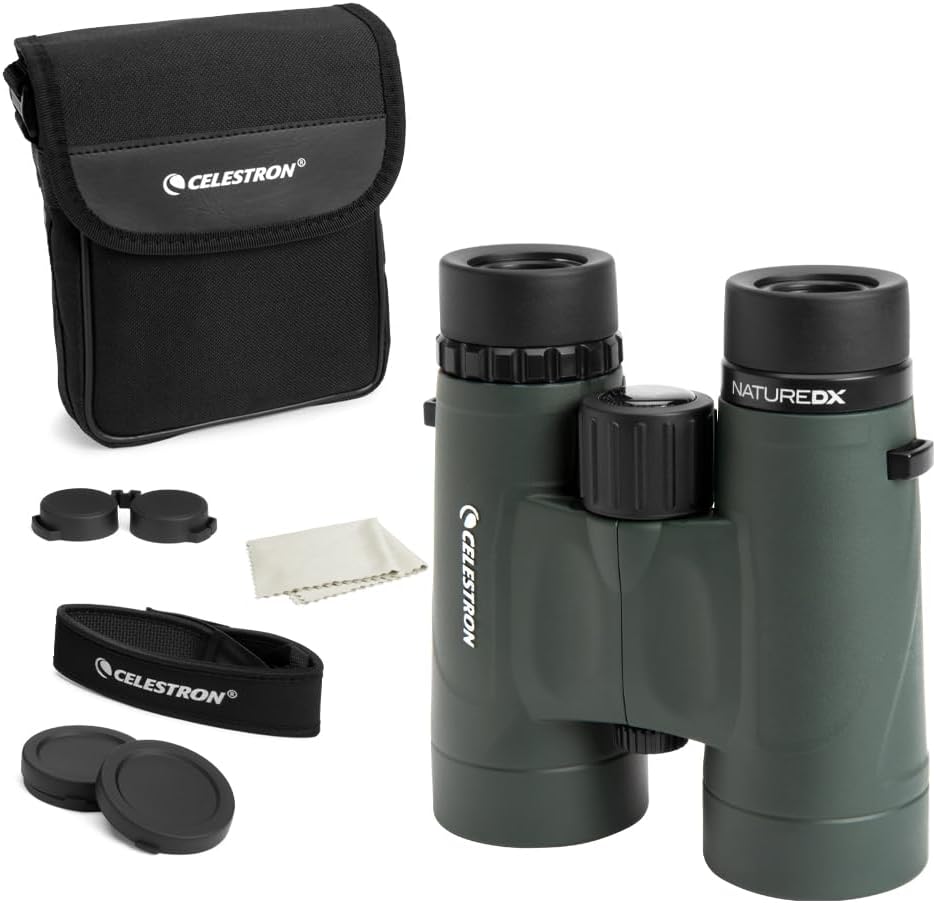
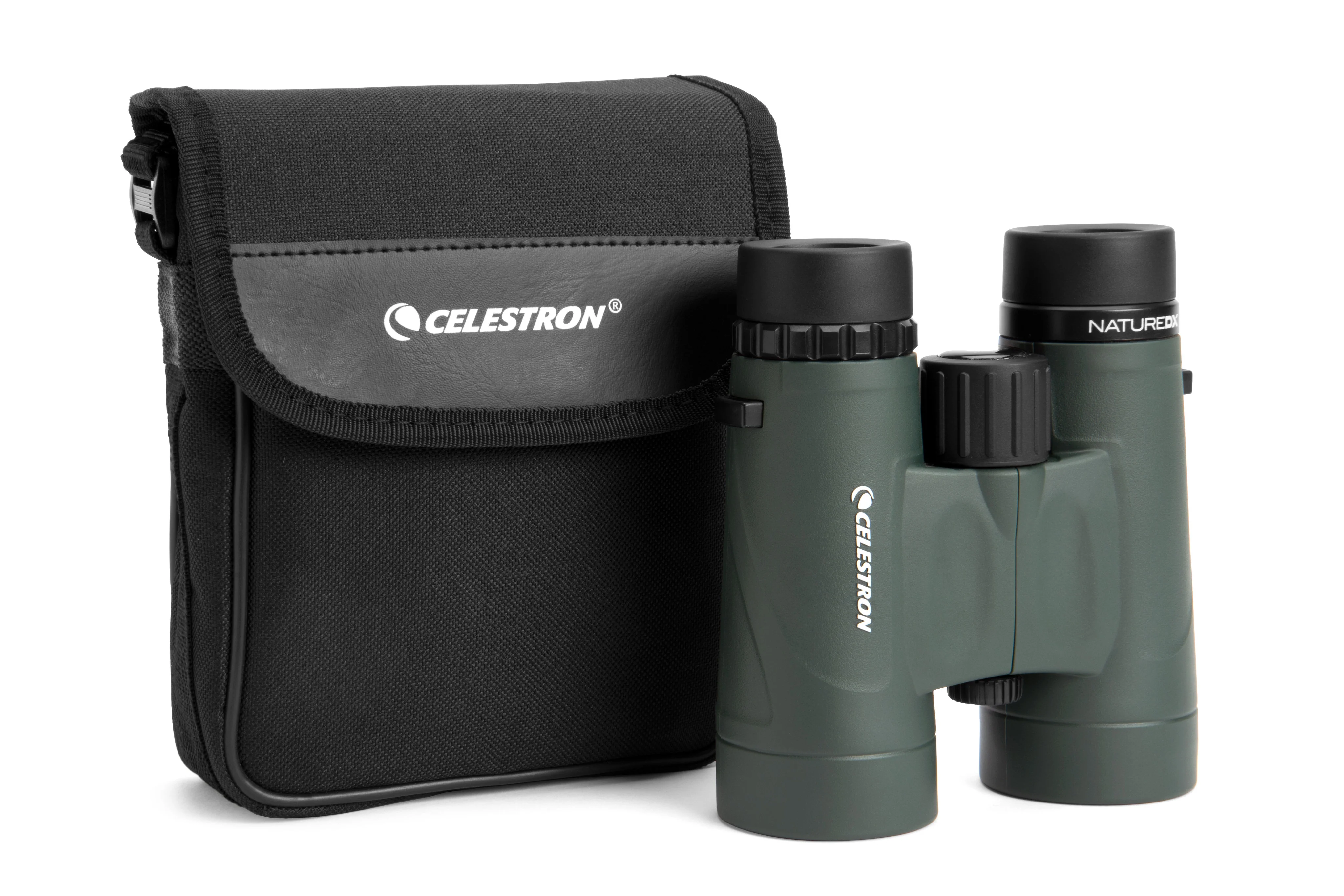
Celestron Nature DX 8x42
- Optic
- 8x×42
- FOV
- 388 ft
- Weight
- 24.9 oz
Celestron
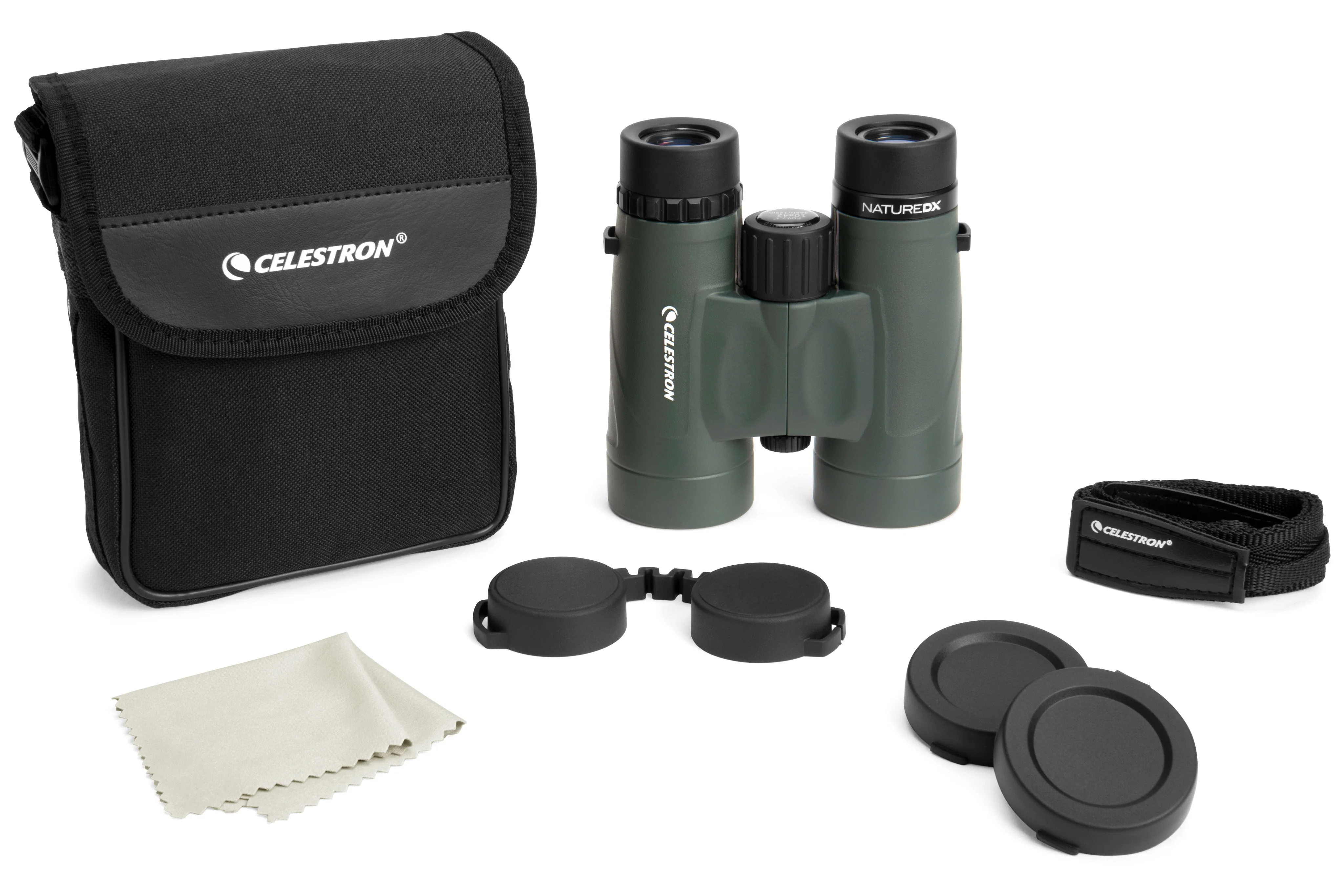
Celestron Nature DX 10x42
- Optic
- 10x×42
- FOV
- 304 ft
- Weight
- 22.2 oz
Celestron
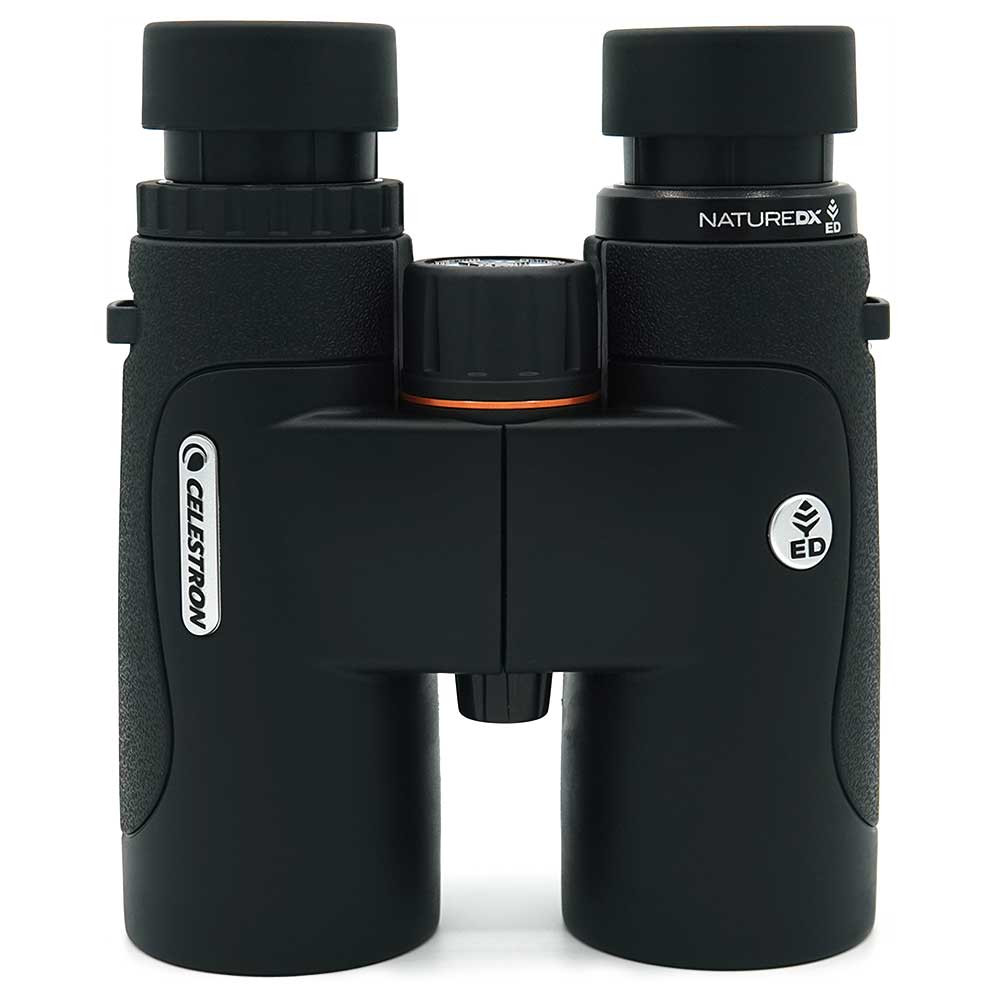
Celestron Nature DX ED 8x42
- Optic
- 8x×42
- FOV
- 393 ft
- Weight
- 24.9 oz
Celestron
Celestron Nature DX ED 10x42
- Optic
- 10x×42
- FOV
- 309 ft
- Weight
- 24.9 oz
Celestron
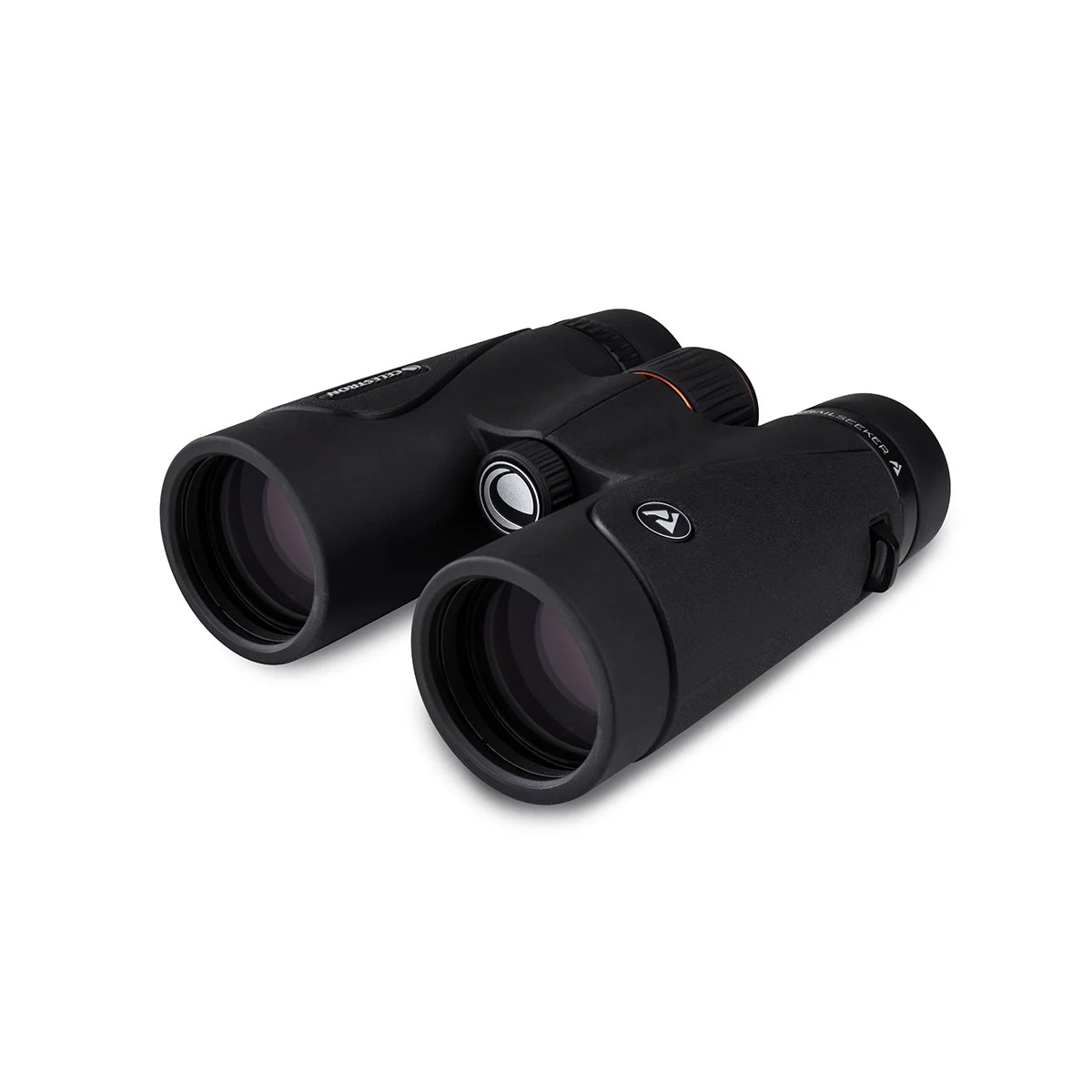
Celestron TrailSeeker 8x42
- Optic
- 8x×42
- FOV
- 426 ft
- Weight
- 23.1 oz
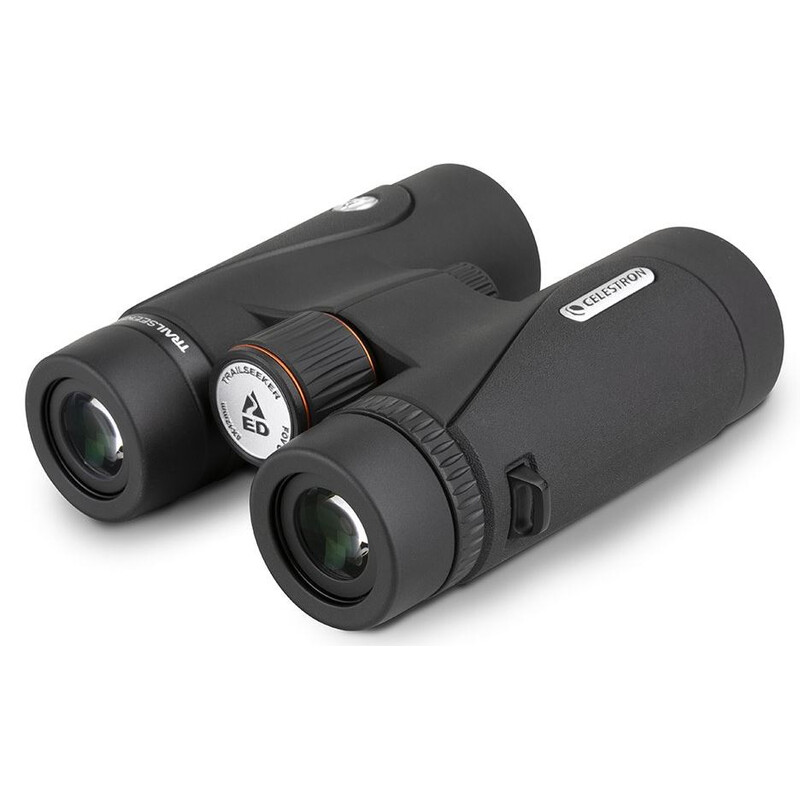
Celestron
Celestron TrailSeeker ED 8x42
- Optic
- 8x×42
- FOV
- 426 ft
- Weight
- 23.5 oz
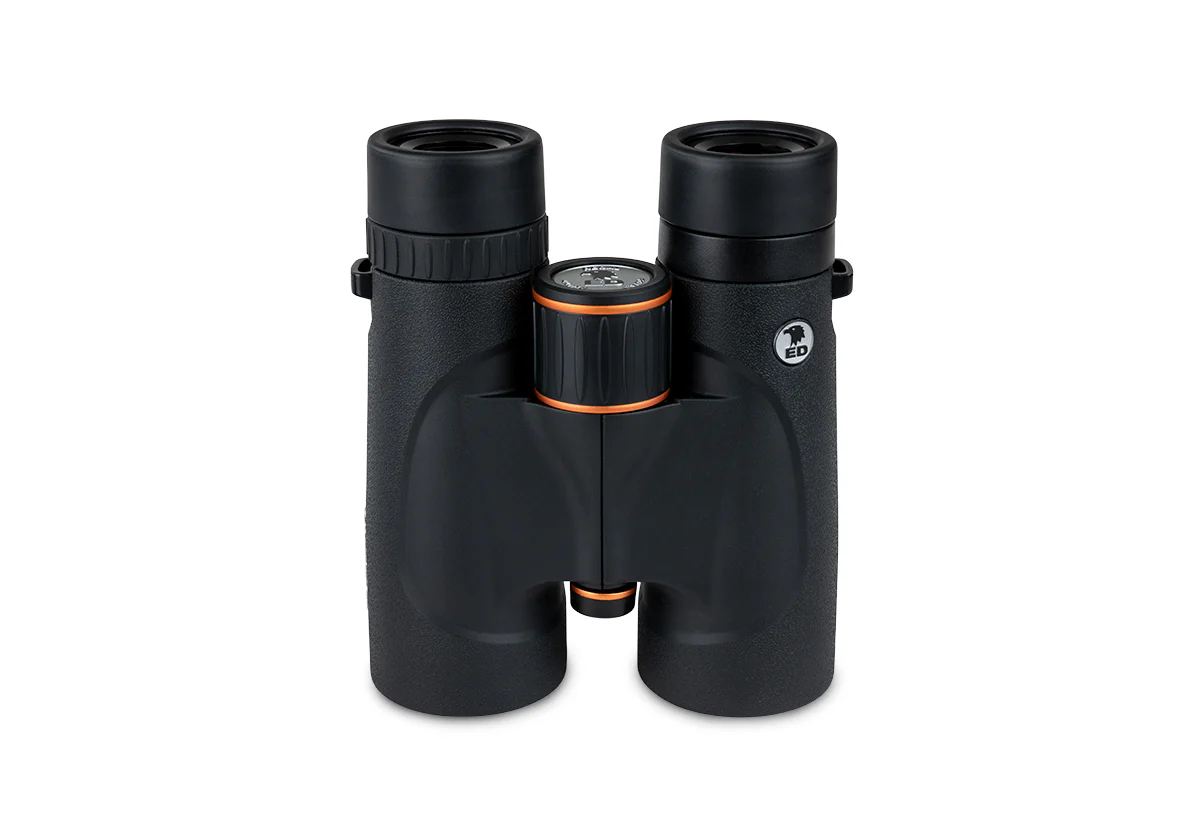
Celestron
Celestron Regal ED 10x42
- Optic
- 10x×42
- FOV
- 340 ft
- Weight
- 27.1 oz
Celestron binoculars: common questions
Is the Celestron SkyMaster 15x70 good for stargazing?▾
Owners describe wide Milky Way and star-cluster views that nothing else near $130 matches, but at 48 oz it needs a tripod. Alignment problems are common enough that owners advise checking it at once, since Celestron requires collimation claims within 30 days.
Should I buy the Celestron Nature DX or the Nature DX ED?▾
The Nature DX ED 8x42 ($230) adds ED glass to the Nature DX 8x42 ($149) for less color fringing. Owners rate its image clearly higher but complain about loose, collapsing eyecups and a sluggish focus wheel.
Is the Celestron warranty transferable?▾
No. Celestron's limited lifetime warranty on binoculars covers defects for the original owner only, requires proof of purchase and an RMA number, and excludes normal wear such as small scratches.