Celestron
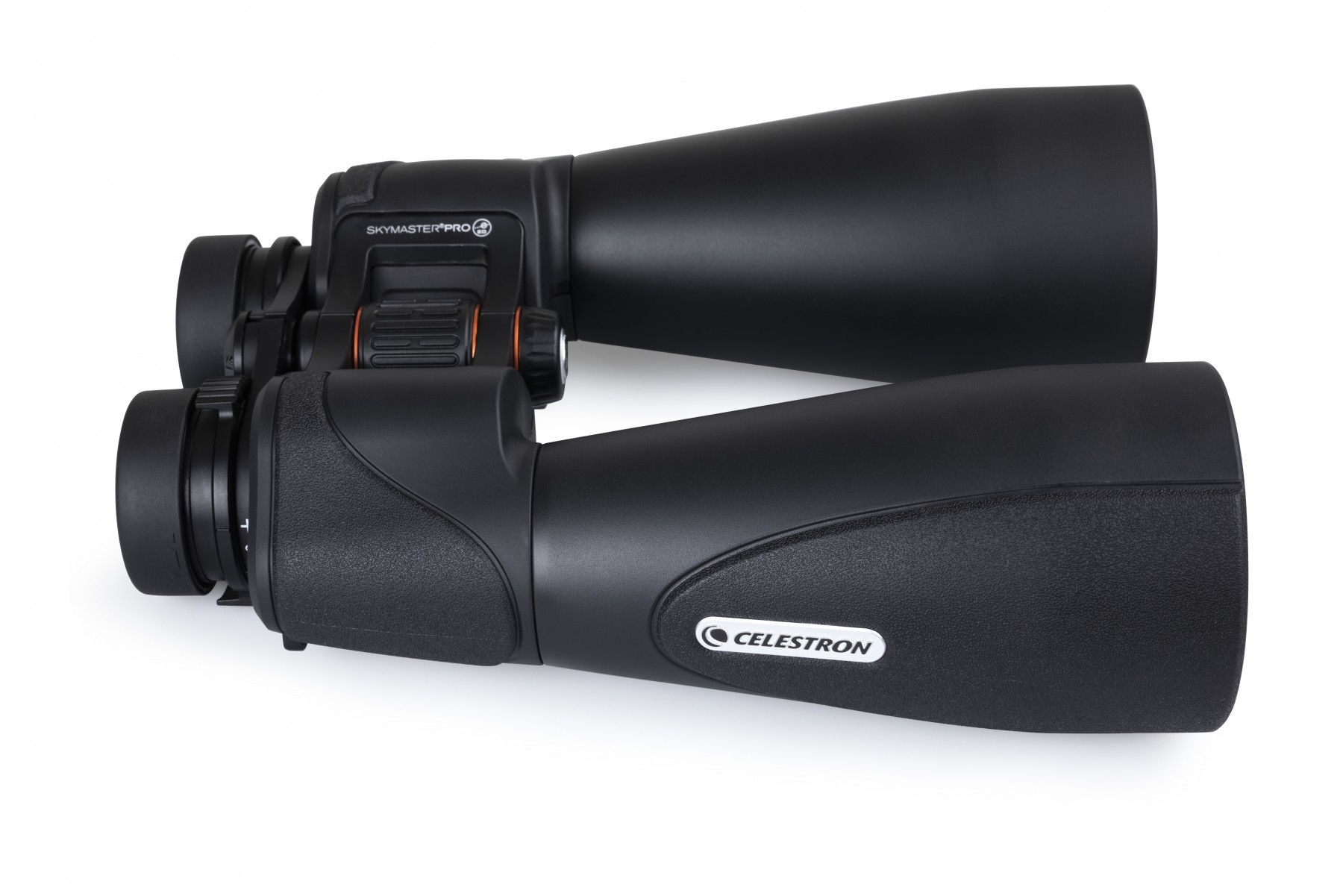
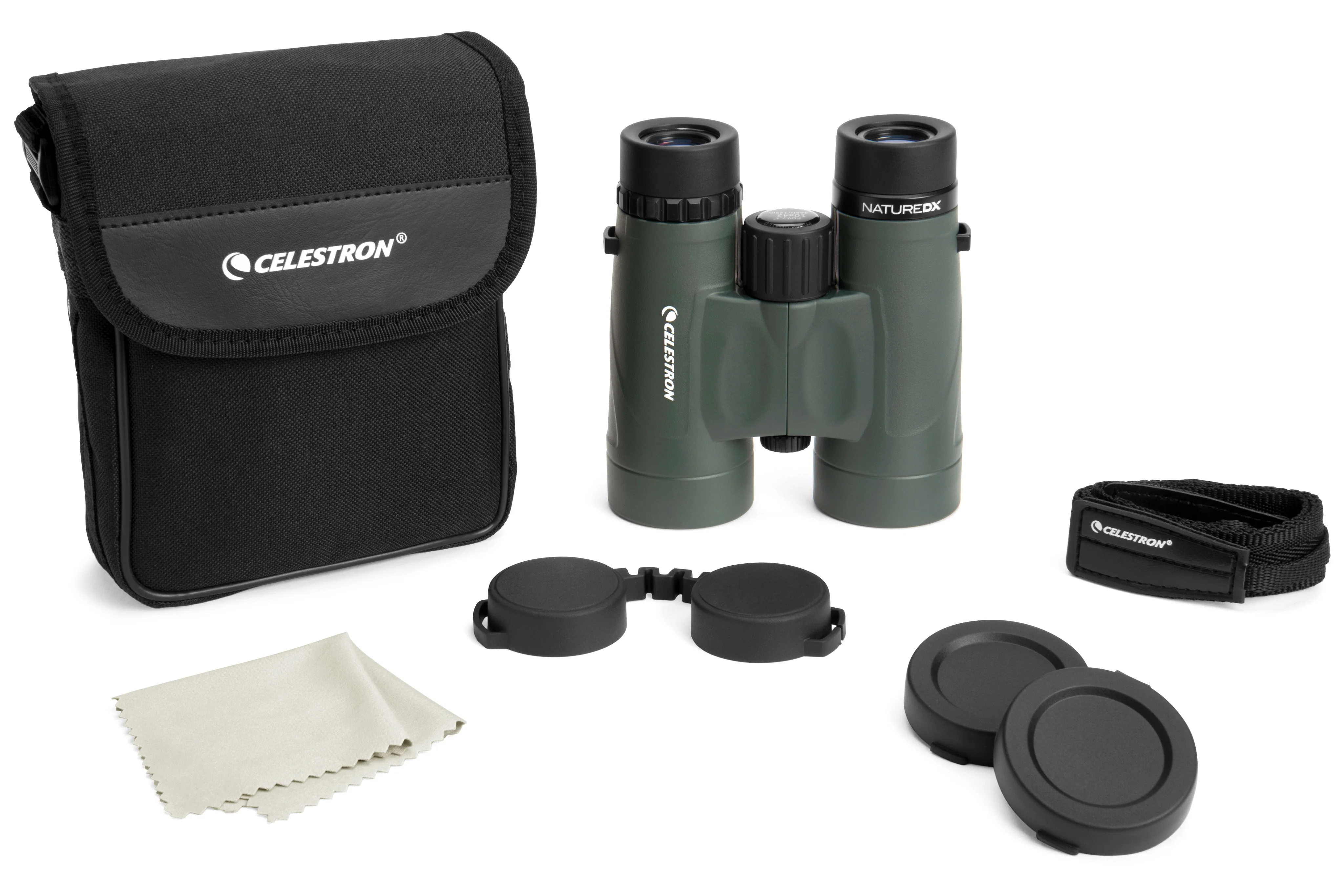
Celestron SkyMaster 15x70
The Celestron SkyMaster 15x70 is the best-selling astronomy binocular. 70mm objectives gather significant light for nebulae, star clusters, and the moon. Tripod adapter included.
We may earn a commission. Price and availability on Amazon may differ.
Specifications
What do these mean? →Field of view, to scale
Why FOV matters →Top-down view · drawn to true scale — no exaggeration
Key Features
Owner Insights(480 discussions)
The SkyMaster 15x70 is the default answer whenever a beginner asks 'what binoculars should I get for stargazing?' - and it has been for two decades. Owners talk about it the way people talk about a first telescope: the night they swept the Milky Way or split the Pleiades for the first time through those big 70mm objectives sticks with them. The vibe among long-time users is affectionate but clear-eyed. Everyone knows the quality control is a coin flip, everyone knows it's really a 63mm binocular in a 70mm suit, and almost nobody cares at the price, especially when it dips under $100 on sale.
Optically, the center of the field is genuinely sharp with good contrast from the BaK-4 porro prisms, while the outer third gets soft and stars near the edge grow little wings. The practical realities dominate owner discussions more than the optics: at 3.3 pounds and 15x, hand-holding is a 30-second proposition before arm shake ruins the view, so a tripod (with a better adapter than the flexy plastic one included) is effectively part of the purchase price. The famous collimation issue is real - pairs arrive misaligned often enough that experienced owners just budget for it - but the silver lining is that the standard SkyMaster is one of the easiest binoculars to collimate yourself, with screws accessible under the rubber armor. Buy from somewhere with easy returns, check it on a star the first night, and you're fine.
This is the right buy for a curious stargazer who wants maximum aperture per dollar and doesn't mind a little tinkering, or anyone wanting a cheap big-eye for the cabin deck. If you want the same formula with better QC and a sturdier build, the SkyMaster Pro 15x70 costs roughly double, and stepping to an Oberwerk or Apertura 15x70 gets you properly finished optics for 3-4x the money. For handheld astronomy instead, most forum veterans would steer you to a 10x50 like the Nikon Aculon or Action EX. But as a first taste of what large-aperture binoculars can do, nothing under $150 touches it.
Pros
- +Legendary bang-for-buck for astronomy - owners routinely say no other purchase under $150 shows you Jupiter's moons, the Pleiades, and the Andromeda galaxy this well
- +70mm objectives pull in serious light, making Milky Way sweeps from a dark site genuinely jaw-dropping for first-time big-binocular users
- +15x magnification hits a sweet spot for star clusters and the Moon - enough power to resolve detail without needing an equatorial mount
- +BaK-4 porro prisms and multi-coated optics deliver contrast that surprises owners coming from cheap roof-prism binoculars
- +Easy DIY collimation - the adjustment screws sit under the soft rubber armor, and long-time users say a slightly-off pair can be tuned to perfection in ten minutes
- +Included tripod adapter means you can mount it on any photo tripod out of the box
- +Frequently on sale for $70-90, at which point stargazers on forums call it a no-brainer even as a beater pair
- +Doubles surprisingly well for long-range terrestrial viewing - ships, wildlife across a valley, distant ridgelines
Cons
- −Quality control is a well-documented lottery - astronomy forums have twenty years of threads about pairs arriving out of collimation, and some owners went through multiple exchanges
- −Celestron only warranties collimation for 30 days, which tells you they know it drifts
- −Effective aperture is really closer to 63mm than the advertised 70mm due to internal baffling - a famous finding among binocular astronomers
- −At about 3.3 pounds, handheld viewing gets shaky fast - nearly everyone agrees a tripod or monopod is mandatory for astronomy
- −Outer 25-30% of the field goes soft, with stars stretching into seagull shapes near the edge
- −Noticeable chromatic aberration (purple fringing) on the Moon and bright planets
- −The included case, strap, and objective caps are flimsy afterthoughts - caps fall off in the bag constantly
- −The plastic center-post tripod adapter flexes and can vibrate in wind; many owners replace it with a metal aftermarket one
Common Questions
Compare the Celestron SkyMaster 15x70
Related binoculars
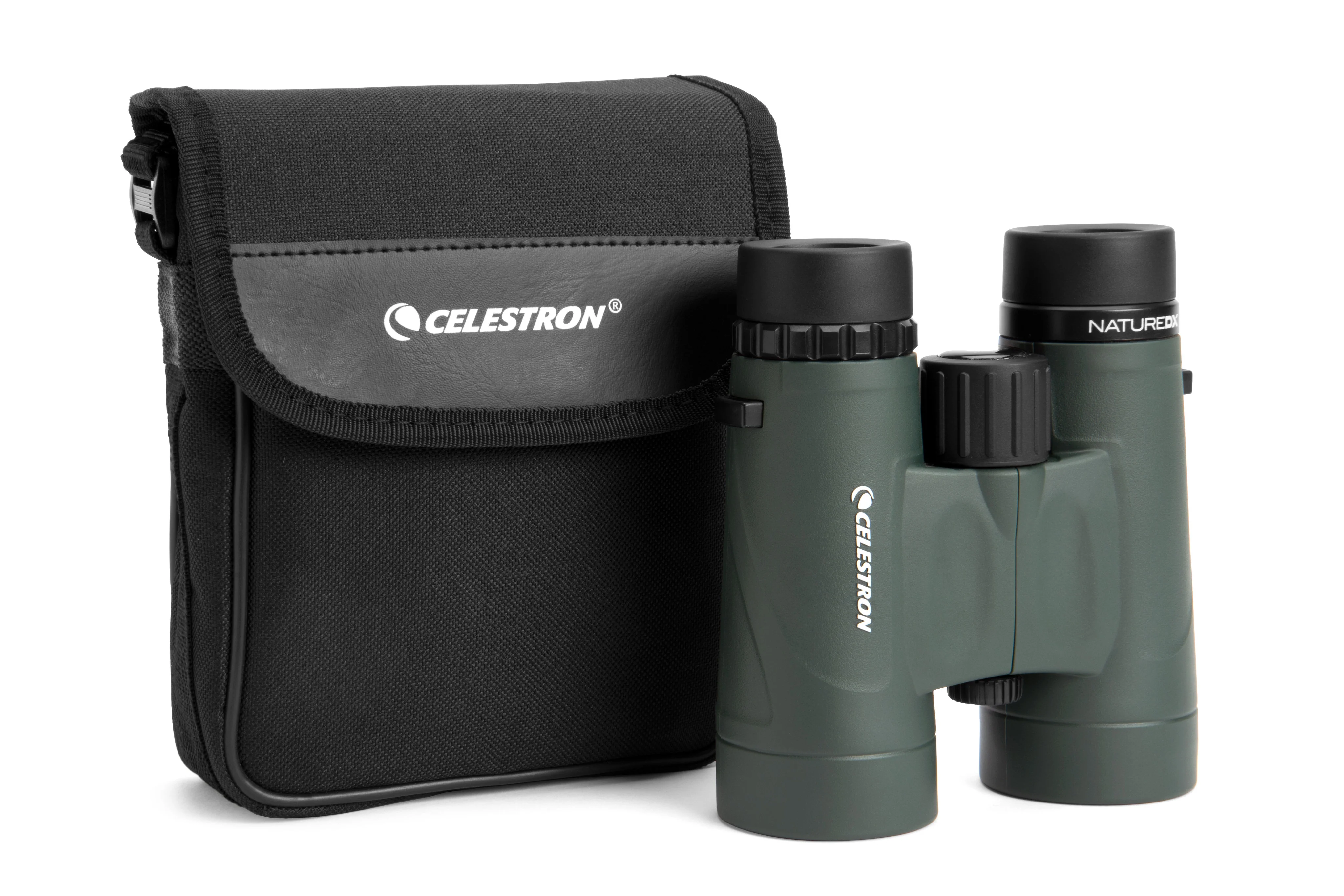
Celestron
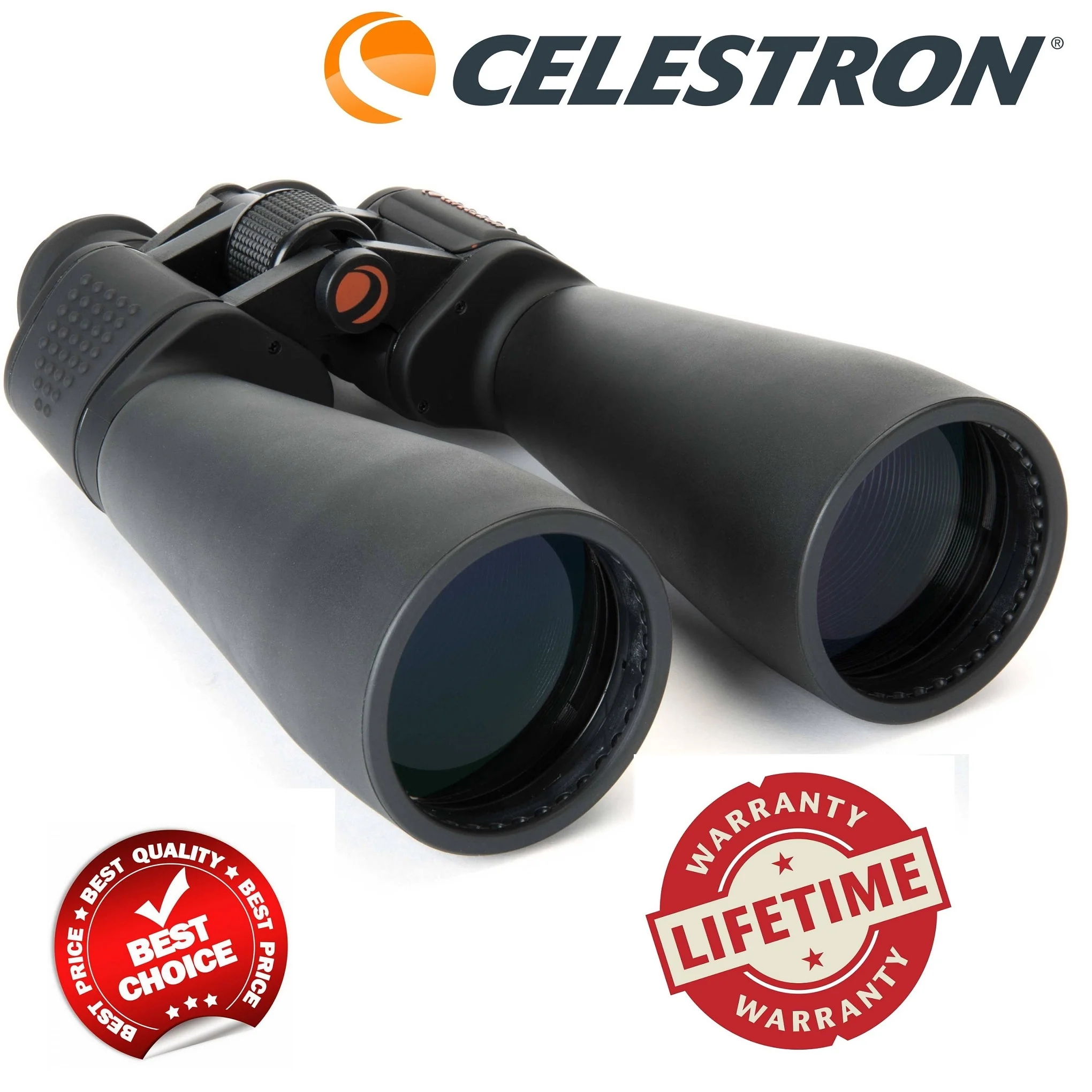
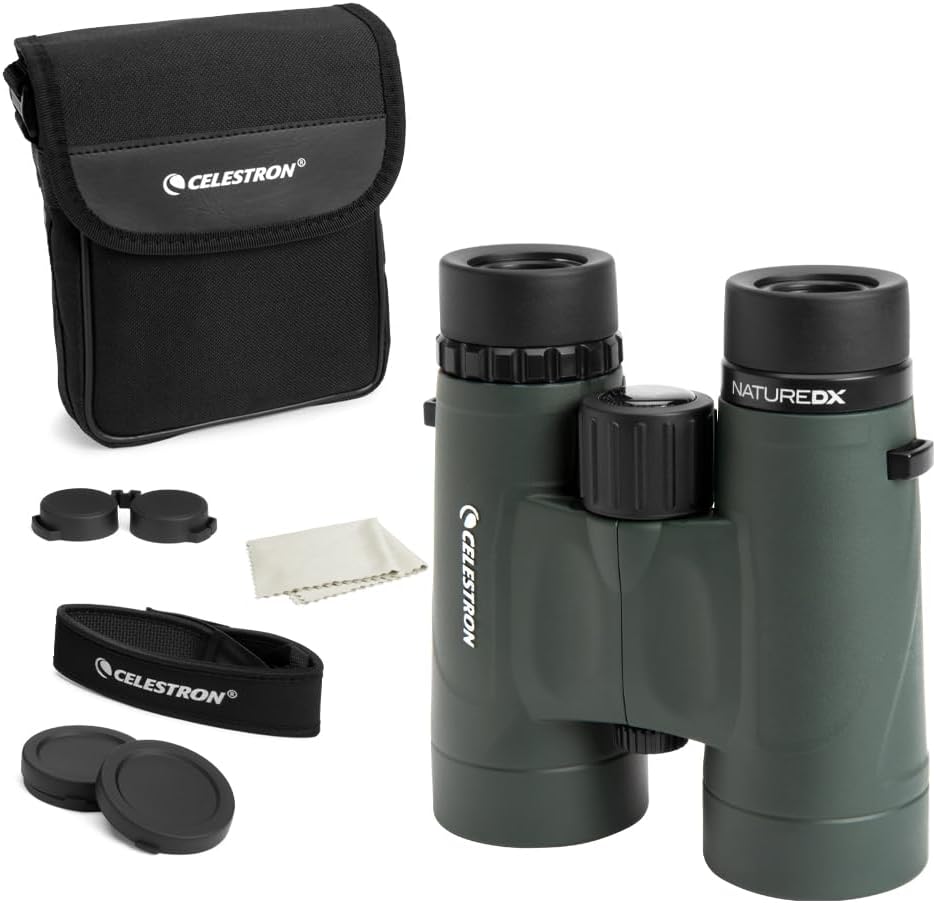
Celestron Nature DX ED 10x42
- Optic
- 10x×42
- FOV
- 304 ft
- Weight
- 22.7 oz
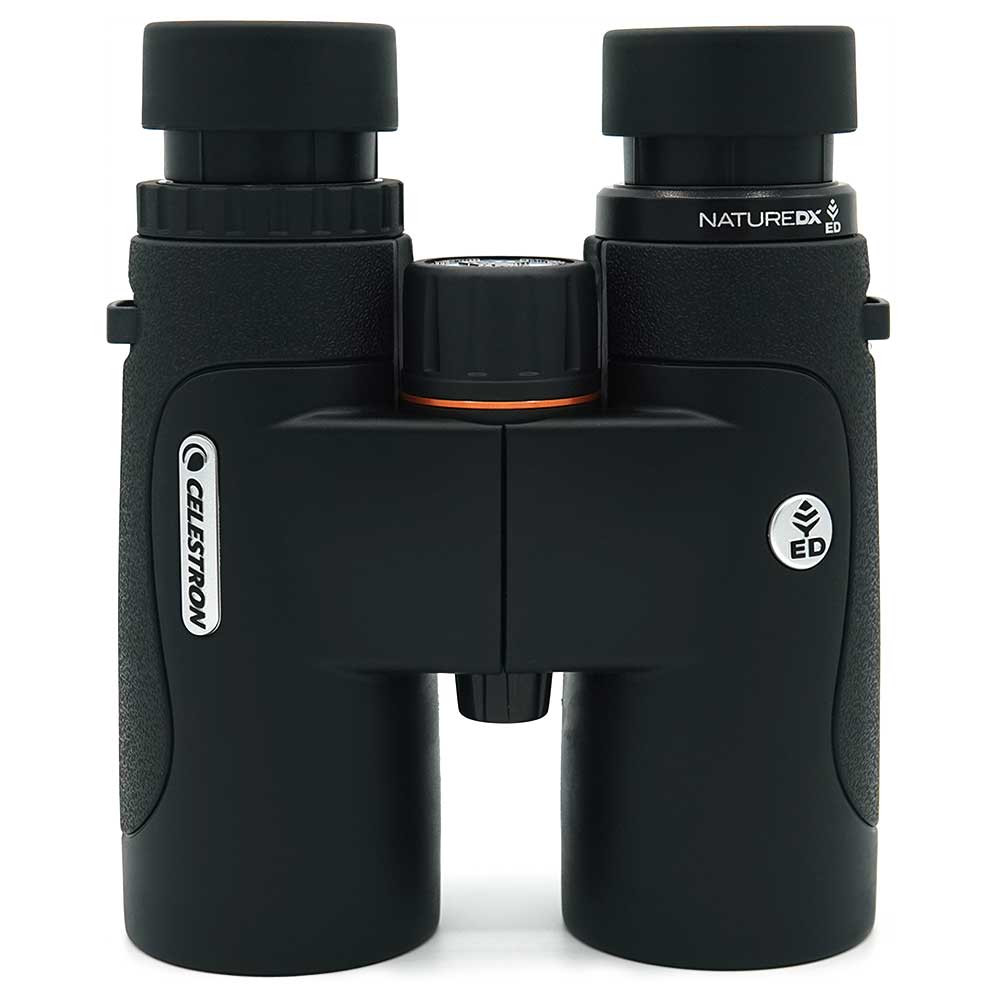
Celestron
Celestron Nature DX ED 8x42
- Optic
- 8x×42
- FOV
- 393 ft
- Weight
- 24.9 oz
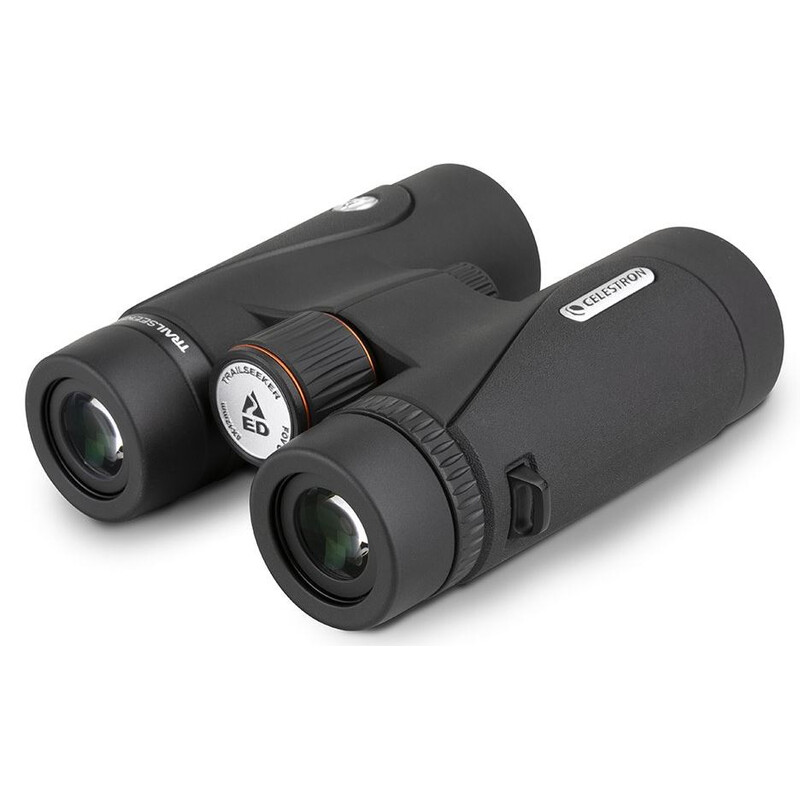
Celestron
Celestron TrailSeeker ED 8x42
- Optic
- 8x×42
- FOV
- 426 ft
- Weight
- 23.5 oz