Best Binoculars for Astronomy
Stargazing rewards large objectives that gather more light and higher magnification for the moon and bright deep-sky objects — most astronomy pairs benefit from a tripod.
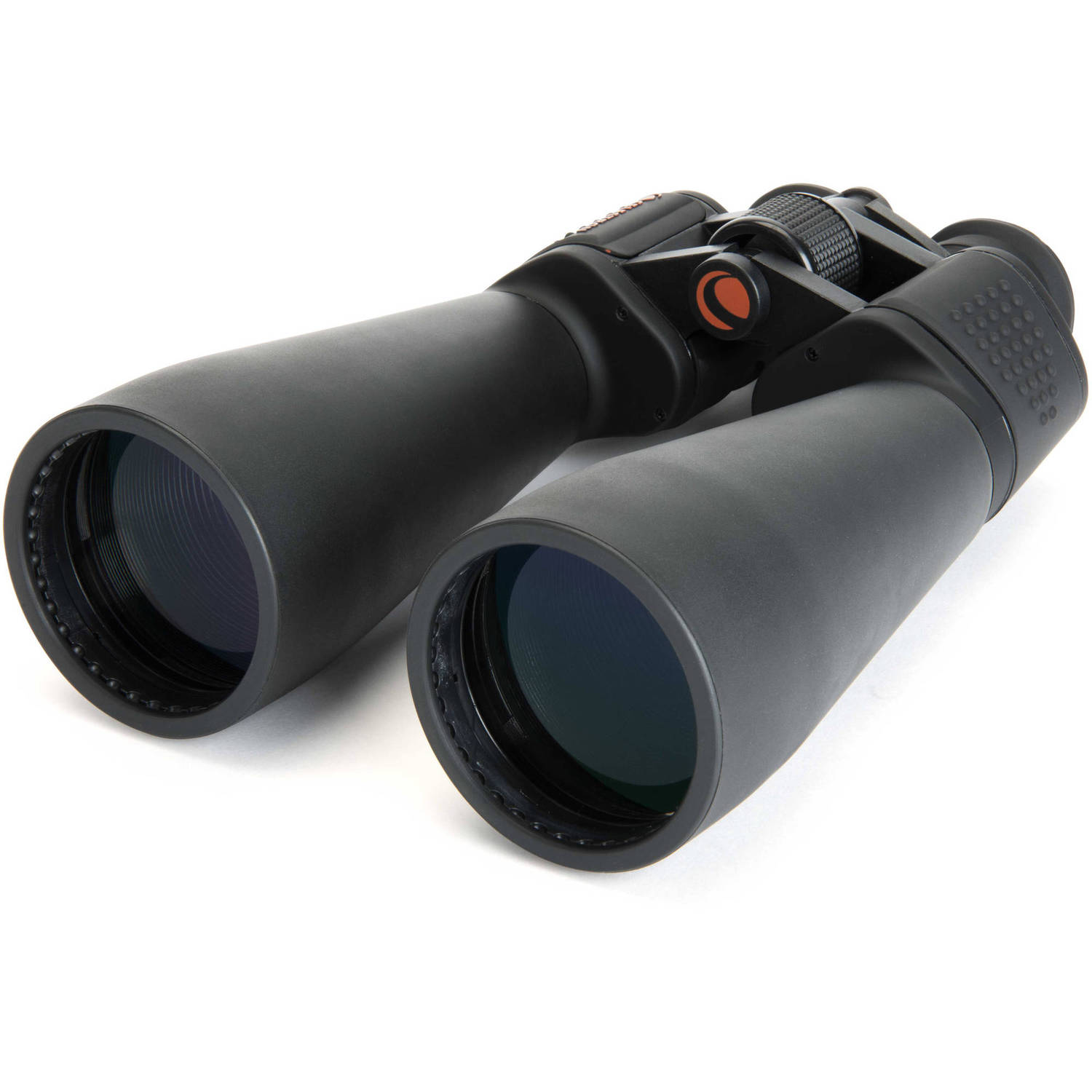
We compare 8 astronomy binoculars from $130 to $1,850, listed cheapest first. The least expensive is the Celestron SkyMaster 15x70 at $130.
Why those specs and not others? Binoculars 101 breaks down what each activity demands — and what every number on these cards actually means.
For the night sky, the number to watch is the exit pupil: objective diameter divided by magnification. The larger it is, the brighter the view stays in the dark. Astronomy binoculars fall into three groups by how they are held, and that matters more than price.
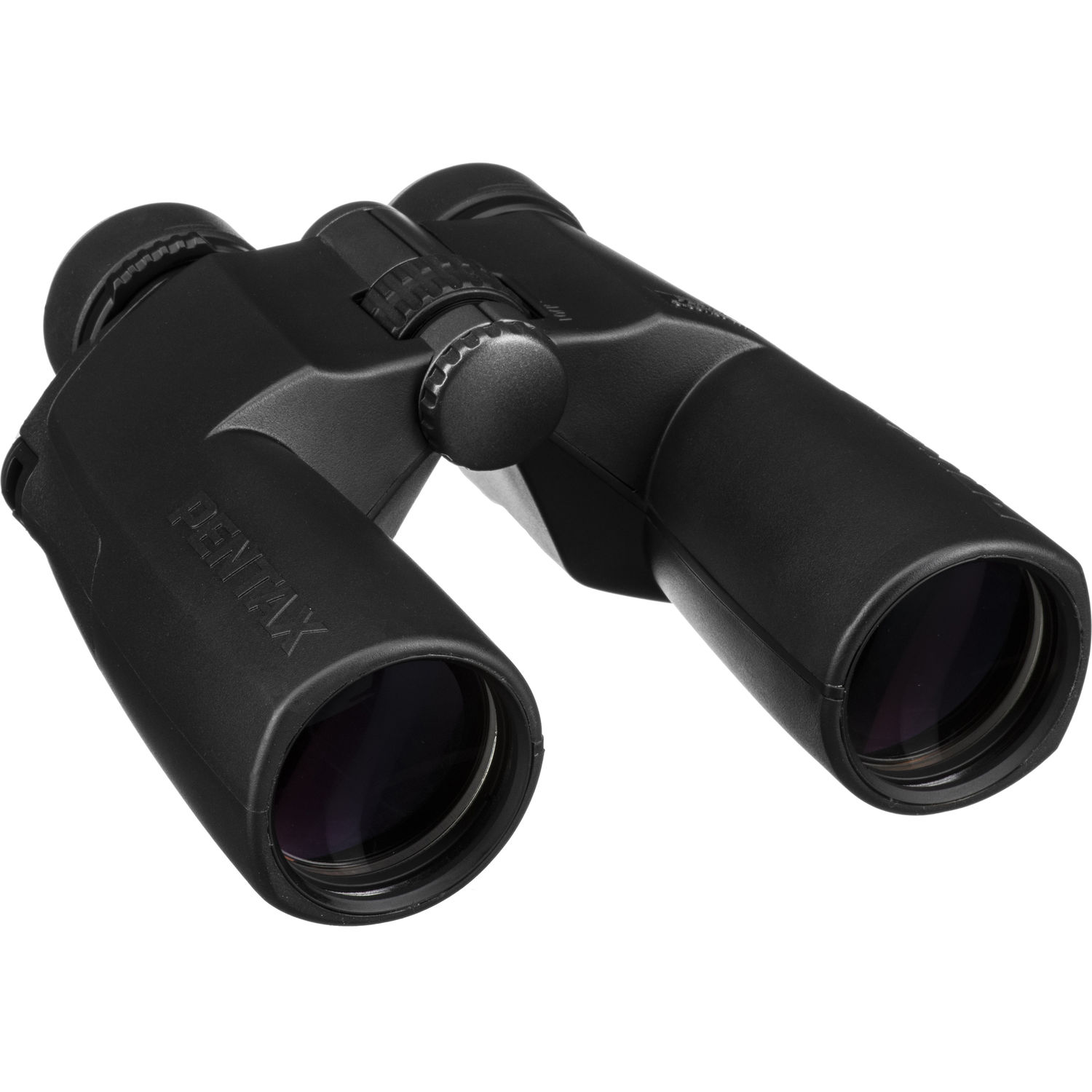
The handheld group is the 10x50. The Pentax SP 10x50 WP ($199) is a porro that focuses internally, which lets it be fully sealed. Owners report pinpoint stars, little ghosting on the moon and 20mm of eye relief. The trade-offs are a narrow 262 ft field and 37.4 oz of weight. The Nikon Monarch M5 10x50 ($390) brings ED glass and 19.3mm of eye relief in a 22.6 oz roof-prism body, so it carries easily between sky and daytime use. Both give a 5mm exit pupil, bright enough for the Milky Way and open clusters, with a field wide enough to find them.
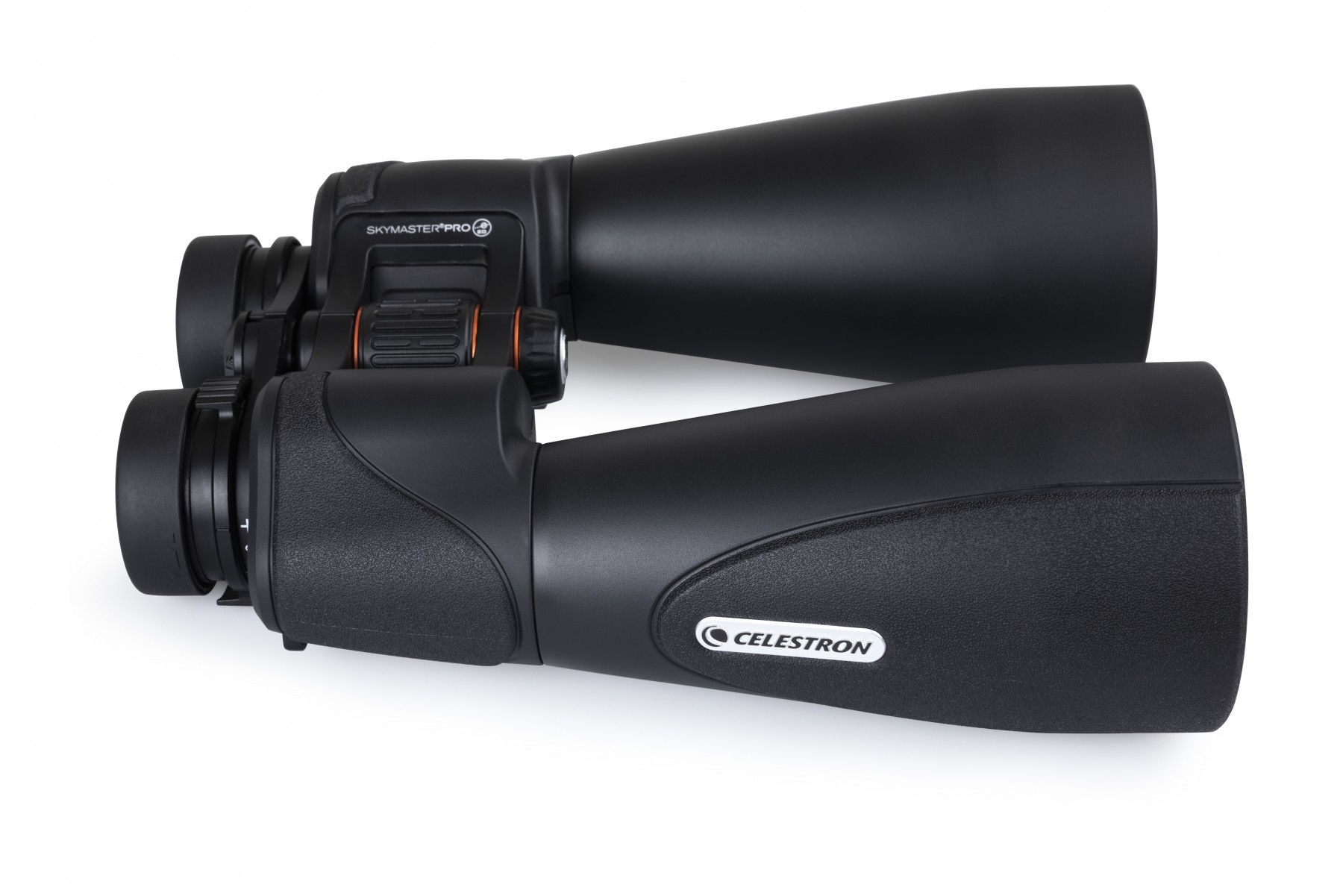
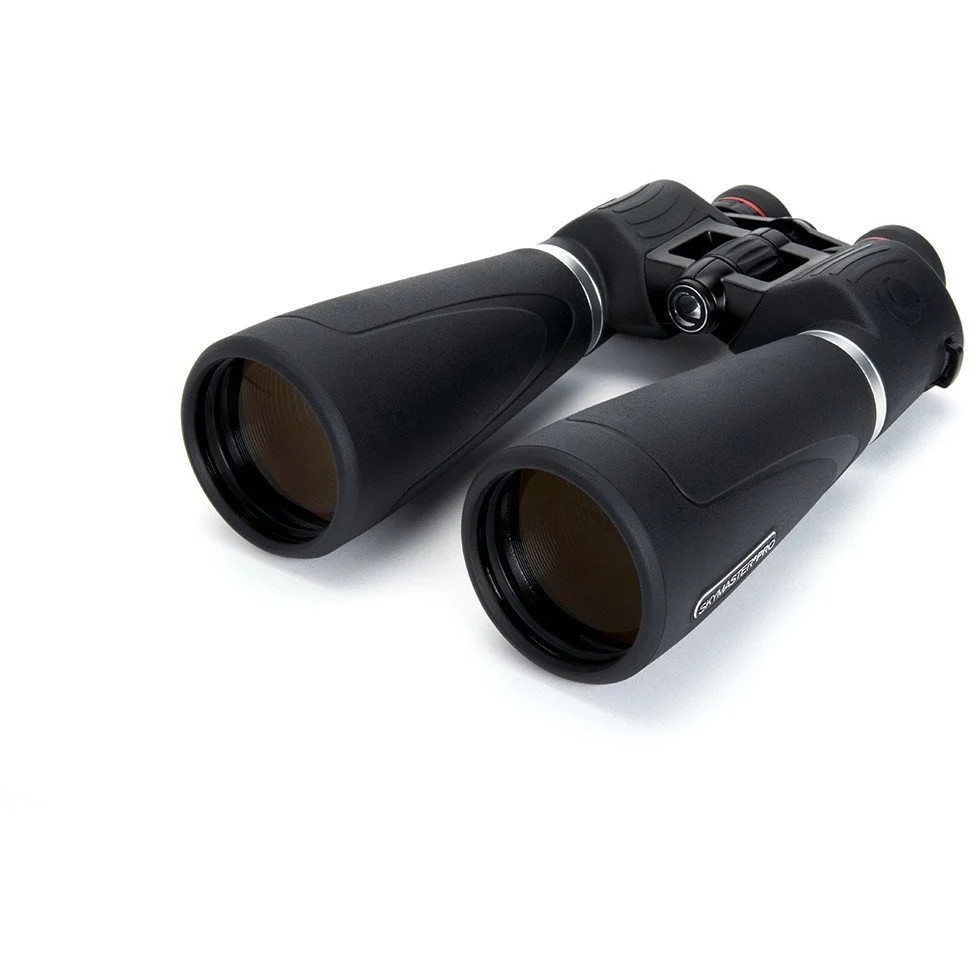
The tripod group starts with the 70mm porros. The Celestron SkyMaster 15x70 at $130 is the cheapest large-aperture view in this group, with a 4.7mm exit pupil at 48 oz. Owners love it for its price and are blunt about its faults. Pairs often arrive out of collimation, the effective aperture is smaller than 70mm, and about 30 seconds of handholding is the limit. The SkyMaster Pro 15x70 ($280) is the better-built version of the same format. The SkyMaster 25x70 ($140) is the one owners most often advise against for stargazing: its 2.8mm exit pupil and 141 ft field make the sky dim and hard to search, though on a solid mount it shows lunar craters well. The Maven B.5 18x56 ($1,850), built for hunters glassing from a tripod, adds fluorite glass and 18mm of eye relief, but its 3.1mm exit pupil still limits faint objects.
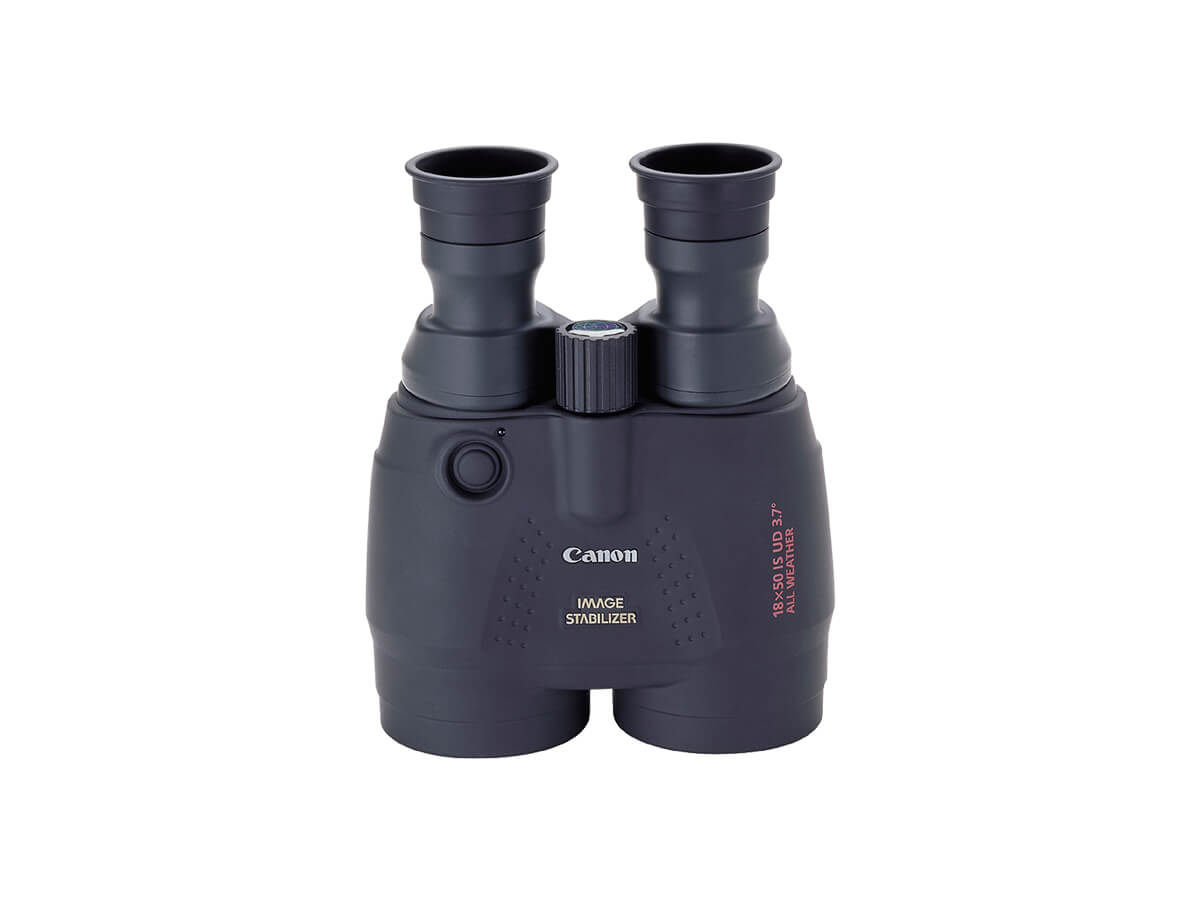
The third group trades the tripod for electronics. The Canon 18x50 IS AW ($1,549) stabilizes 18x by hand, and owners describe globular clusters and the Ring Nebula seen without a mount. It weighs 41.6 oz, its stabilizer is slow to settle, and its eye relief behaves nearer 10mm in use. The Steiner HX 15x56 ($1,000) is out of production.
Sources: celestron.com, moonandback.com, trailandkale.com
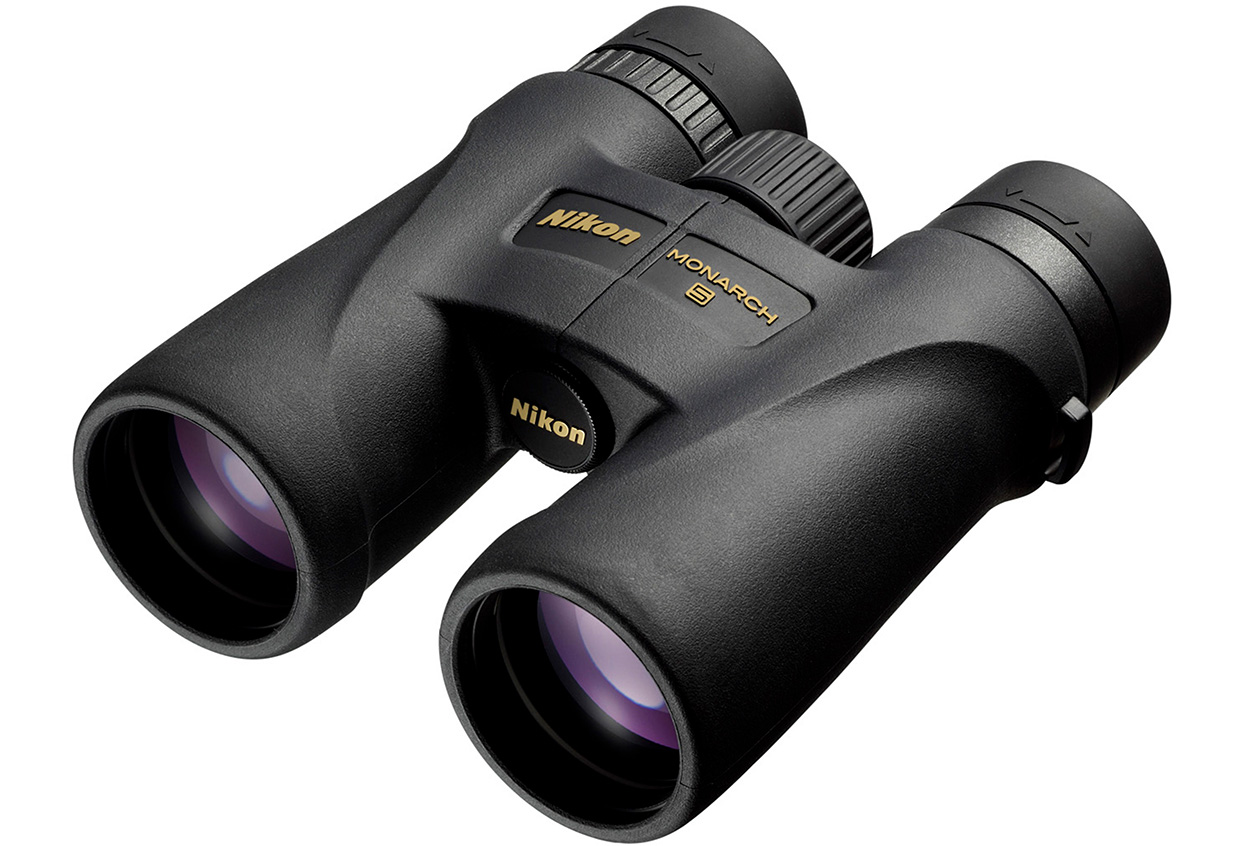
Nikon
Nikon Monarch M5 10x50
- Optic
- 10x×50
- FOV
- 314 ft
- Weight
- 22.6 oz
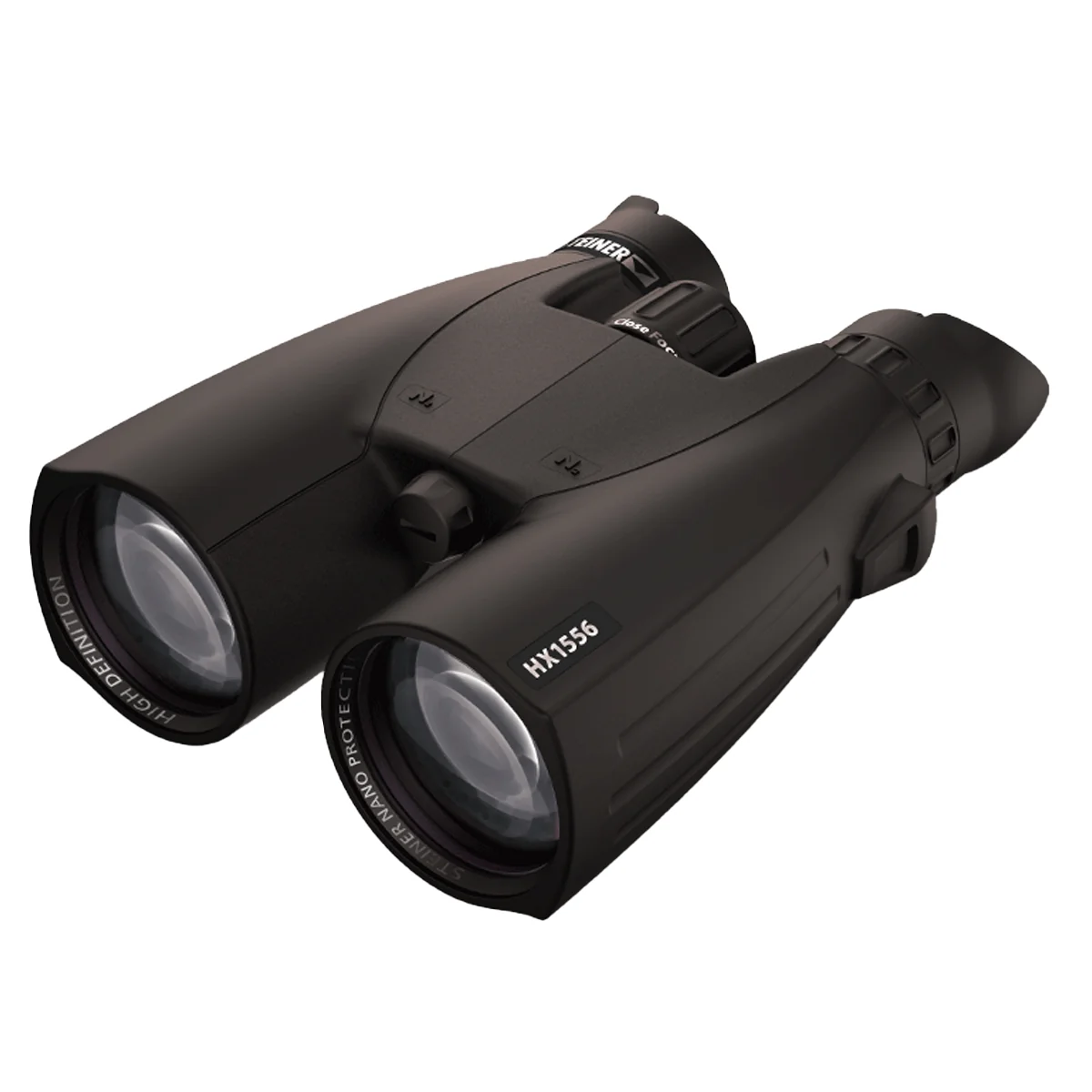
Steiner
Steiner HX 15x56
- Optic
- 15x×56
- FOV
- 225 ft
- Weight
- 44.1 oz
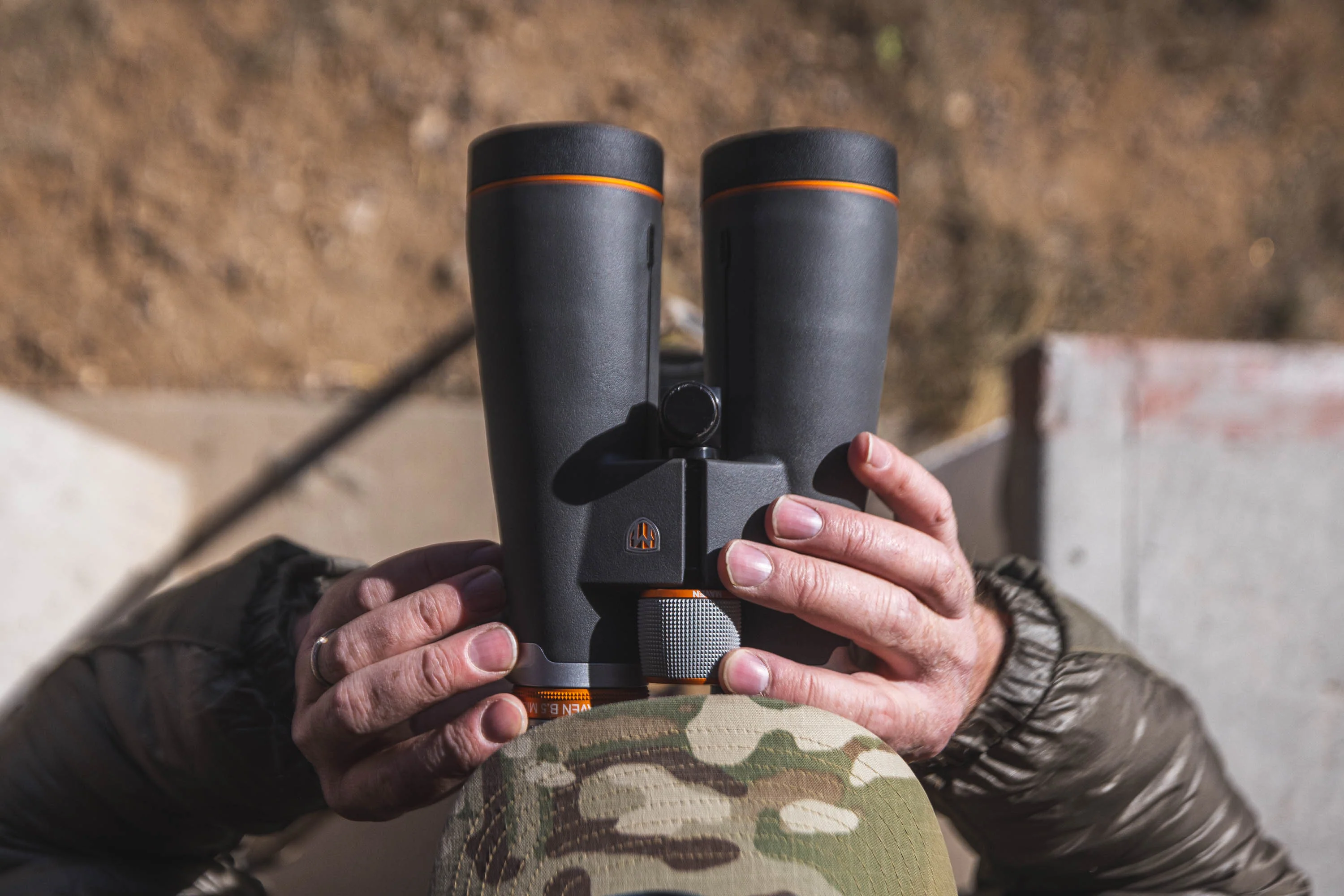
Maven
Maven B.5 18x56
- Optic
- 18x×56
- FOV
- 194 ft
- Weight
- 45 oz
Best Binoculars for Astronomy: common questions
Should a first astronomy binocular be a 10x50 or a 15x70?▾
A 10x50 if you want to hold it by hand: the 5mm exit pupil keeps the sky bright and the wider field makes objects easy to find. A 15x70 shows more but weighs around 3 pounds, so plan on a tripod and a sturdy adapter as part of the cost.
Why do owners warn against 25x70 binoculars for stargazing?▾
At 25x a 70mm objective gives only a 2.8mm exit pupil and a field of about 2.7 degrees, so the sky looks dimmer and objects are hard to find. It is unusable by hand and works best for the moon or distant land on a solid tripod.
What should I check when a budget 15x70 arrives?▾
Check collimation on the first clear night by looking at a bright star or distant light with both eyes. Owners of budget 15x70s report pairs arriving misaligned, and a mismatched image causes eye strain within minutes, so buy where returns are easy.