Celestron
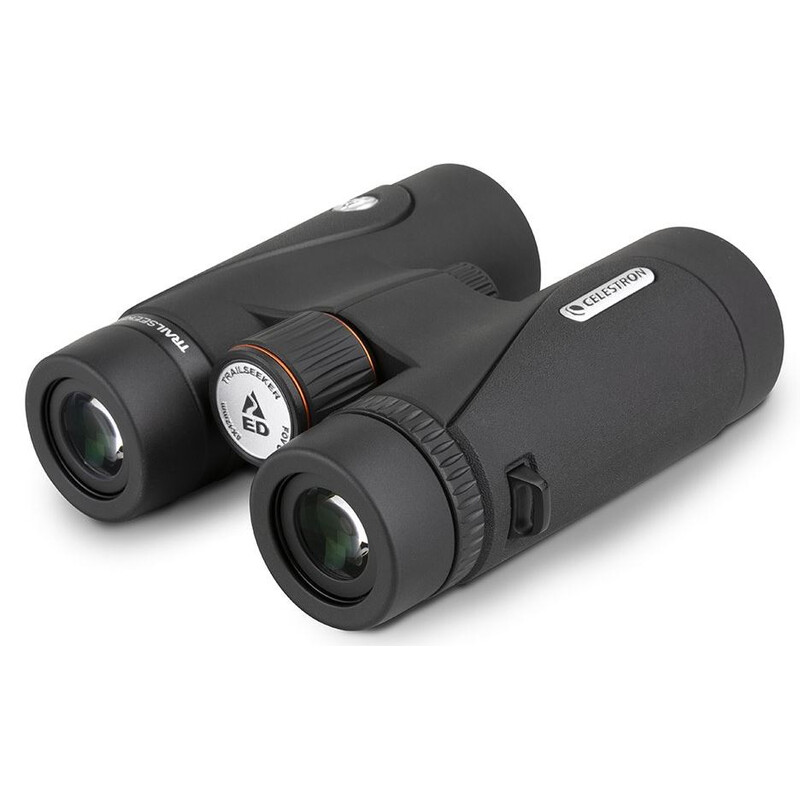
Celestron TrailSeeker ED 8x42
The Celestron TrailSeeker ED 8x42 packs ED objectives, phase- and dielectric-coated BaK-4 prisms, and a magnesium alloy frame into one of the best sub-$300 birding packages. Its wide 426 ft @ 1000 yds field of view and 6.5 ft close focus make it a frequent budget-alternative pick to binoculars costing far more.
We may earn a commission. Price and availability on Amazon may differ.
Specifications
What do these mean? →Field of view, to scale
Why FOV matters →Top-down view · drawn to true scale — no exaggeration
Wondering about the format itself? 8x42 vs 10x42 · 8x42 vs 10x50
Key Features
Owner Insights(85 discussions)
The TrailSeeker ED 8x42 is the binocular that budget-conscious birders on forums keep recommending to each other when someone asks 'what's the best glass under $300?' The formula is simple: Celestron took an already-liked chassis and added ED objectives, phase- and dielectric-coated BaK-4 prisms, and a metal focus wheel, then priced it around $250-285. Expert reviewers scored it around 82% and called it one of the best value-for-money binoculars in its class, and owner sentiment matches - the recurring theme is disbelief that something a tenth the price of alpha glass delivers this much of the experience.
Optically, the headline is the 426 ft field of view - genuinely enormous for an 8x42 - combined with brightness that tested closer to alpha benchmarks than to its mid-range peers. Color fringing is well controlled thanks to the ED elements, and the 6.5 ft close focus handles insects as well as birds. The magnesium body feels more expensive than it is, and the focus action draws consistent praise for being quick and smooth. The trade-offs: softness creeps in at the far edges of that big field, the non-locking diopter can wander, and when the light gets truly dim at dawn or dusk it falls behind glass costing three times as much - which is exactly where you'd expect a $250 binocular to tap out.
This is the right pick for a first serious birding binocular, an upgrade from a Nature DX, or a high-quality backup/travel pair for someone who owns better. Against the Vortex Diamondback HD 8x42 it trades Vortex's famous no-fault warranty for noticeably better brightness and a wider field; against the Nikon Monarch M5 it's cheaper with more field of view but less brand cachet. If you bird mostly in daylight and want the most optic per dollar, forum consensus says this is the one - if you're regularly out at last light, that's the one scenario where saving for a Monarch M7 or Viper HD makes sense.
Pros
- +Repeatedly called one of the best values in binoculars, period - owners say things like 'you'd have a hard time convincing me there's a better value out there' and that there's no point paying more for other brands at this level
- +Genuinely wide 426 ft field of view - one of the widest of any 8x42 at any price, which makes scanning tree canopies and tracking birds in flight noticeably easier than the ~330-380 ft typical of competitors
- +ED glass actually does its job here - color fringing is minimal and rated among the best in class by expert reviewers, a real step up over the non-ED TrailSeeker and the Nature DX
- +Brightness that punches way above its price - in low-light testing it beat the mid-range benchmark and hung close to alpha-level glass, unusual for a sub-$300 binocular
- +Magnesium alloy chassis and metal eyepiece housings at a price point where most competitors (Vortex Diamondback, Nikon Monarch 5) use polycarbonate
- +Metal focus wheel with smooth, quick action that owners describe as 'buttery' - images snap into focus rather than requiring hunting
- +6.5 ft close focus is excellent for an 8x42, good enough for butterflies and dragonflies at your feet
- +17.2mm eye relief with twist-up eyecups lets eyeglass wearers see the full wide field - a common sticking point with budget binoculars that this one gets right
Cons
- −Low light is where it finally shows its price - reviewers note it starts to struggle at early dawn and late dusk, so dedicated crepuscular birders may want to spend up
- −The diopter ring has no locking mechanism and only a modest ±3 adjustment range, so it can get knocked out of position in a bag
- −Slightly heavier in the hand than some owners expected given the compact size - the magnesium build is dense at 23.5 oz
- −The included carry case took a step down from older Celestron cases - functional but cheap-feeling, and the accessories overall are unremarkable
- −Edge softness is present at the extreme edges of that huge field of view - the sweet spot is generous but it's not flat-field glass like a Nikon Monarch HG
- −Some forum members rank its field of view and close focus behind certain similarly-priced rivals depending on sample, so trying before buying is worth it
- −Celestron's 'Limited Lifetime' warranty is not the no-fault, no-receipt VIP-style coverage Vortex offers on the Diamondback - damage from accidents isn't covered
- −Brand snobbery is real - some birders on forums admit they'd rather carry a Nikon or Vortex badge, and resale value reflects that even when the optics compete
Common Questions
Compare the Celestron TrailSeeker ED 8x42
Related binoculars
Celestron
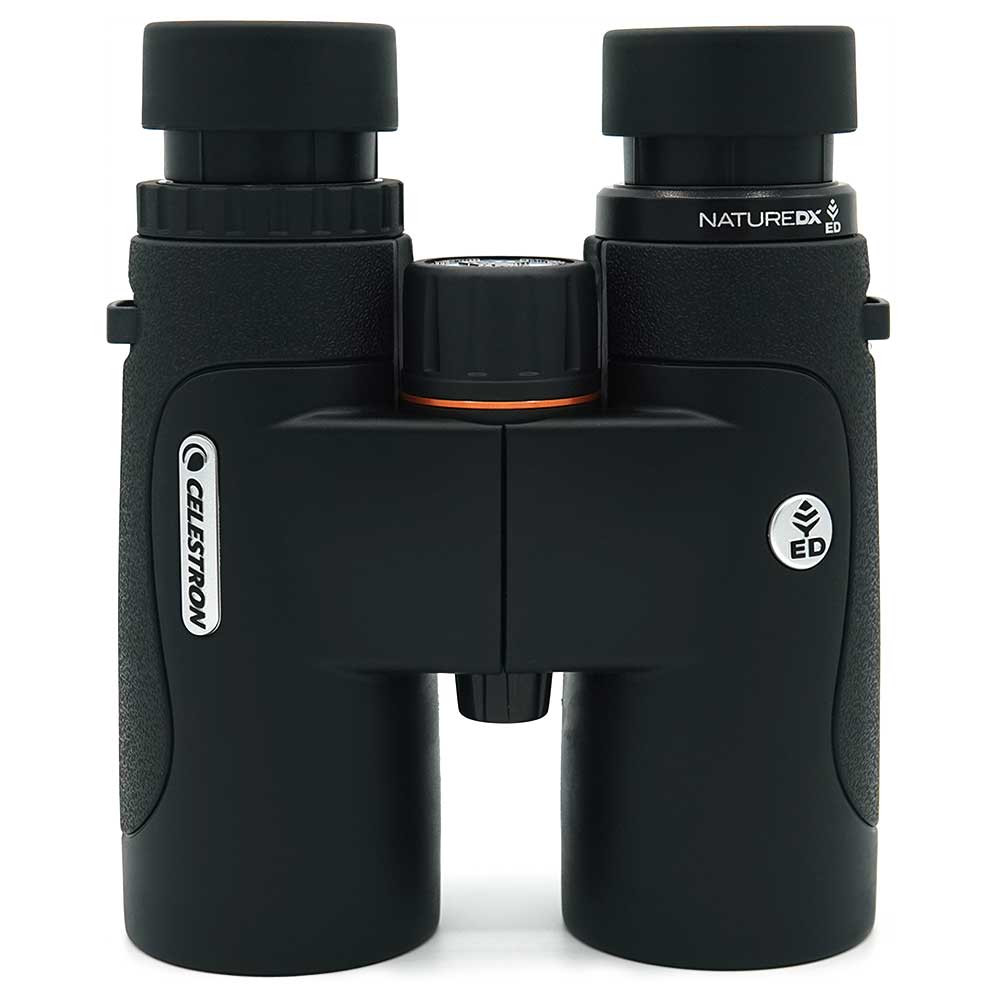
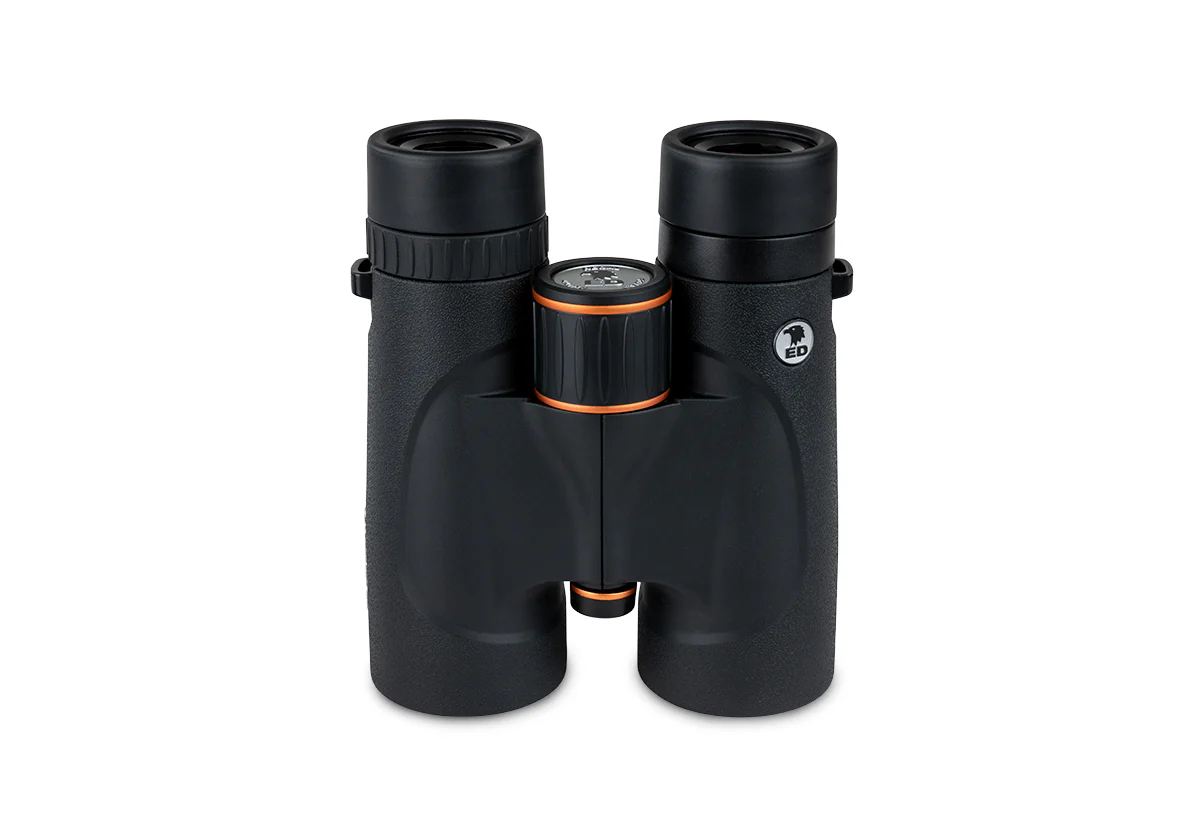
Celestron Nature DX ED 8x42
- Optic
- 8x×42
- FOV
- 393 ft
- Weight
- 24.9 oz
Celestron
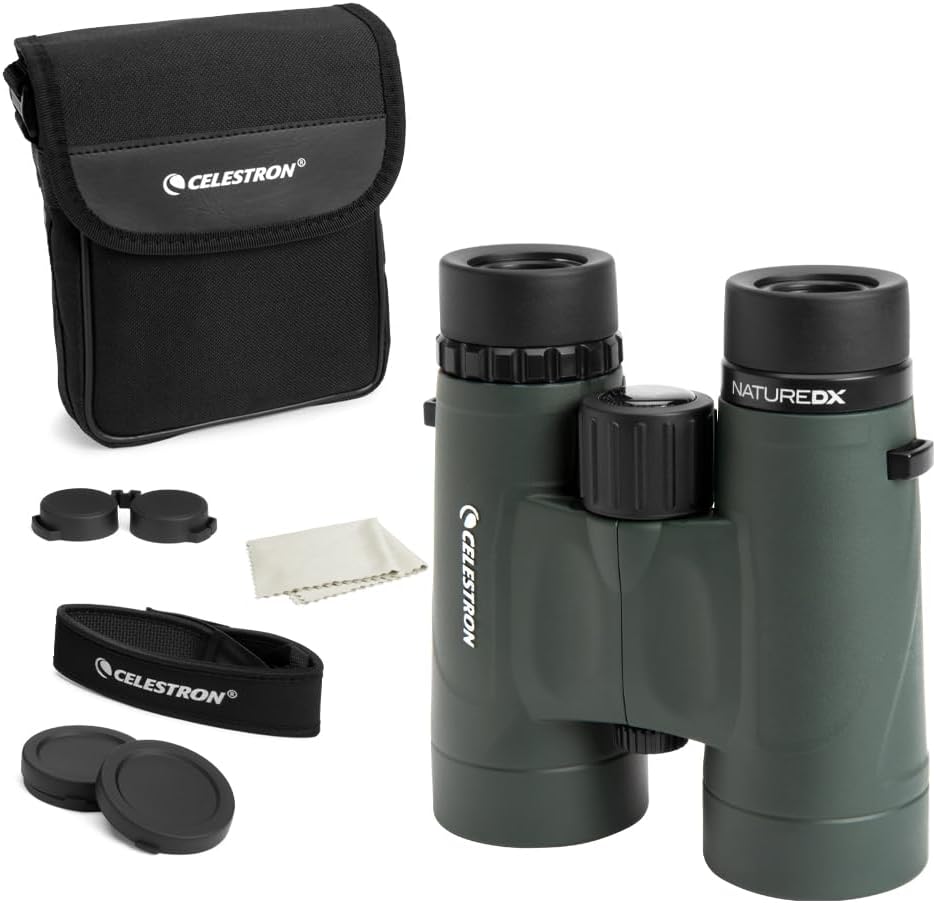
Celestron Regal ED 10x42
- Optic
- 10x×42
- FOV
- 319 ft
- Weight
- 25.6 oz
Celestron
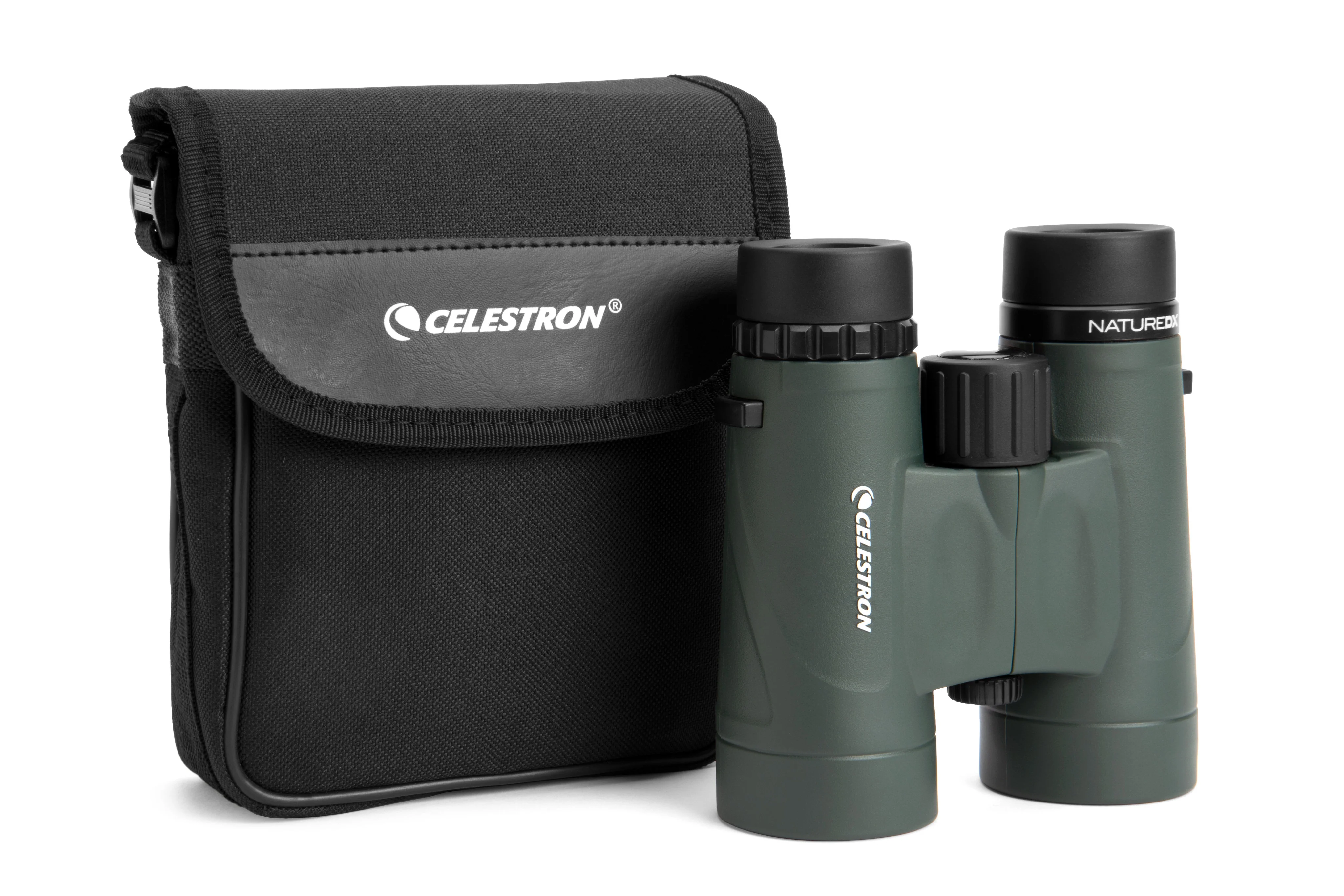
Celestron Nature DX ED 10x42
- Optic
- 10x×42
- FOV
- 304 ft
- Weight
- 22.7 oz