SIG Sauer
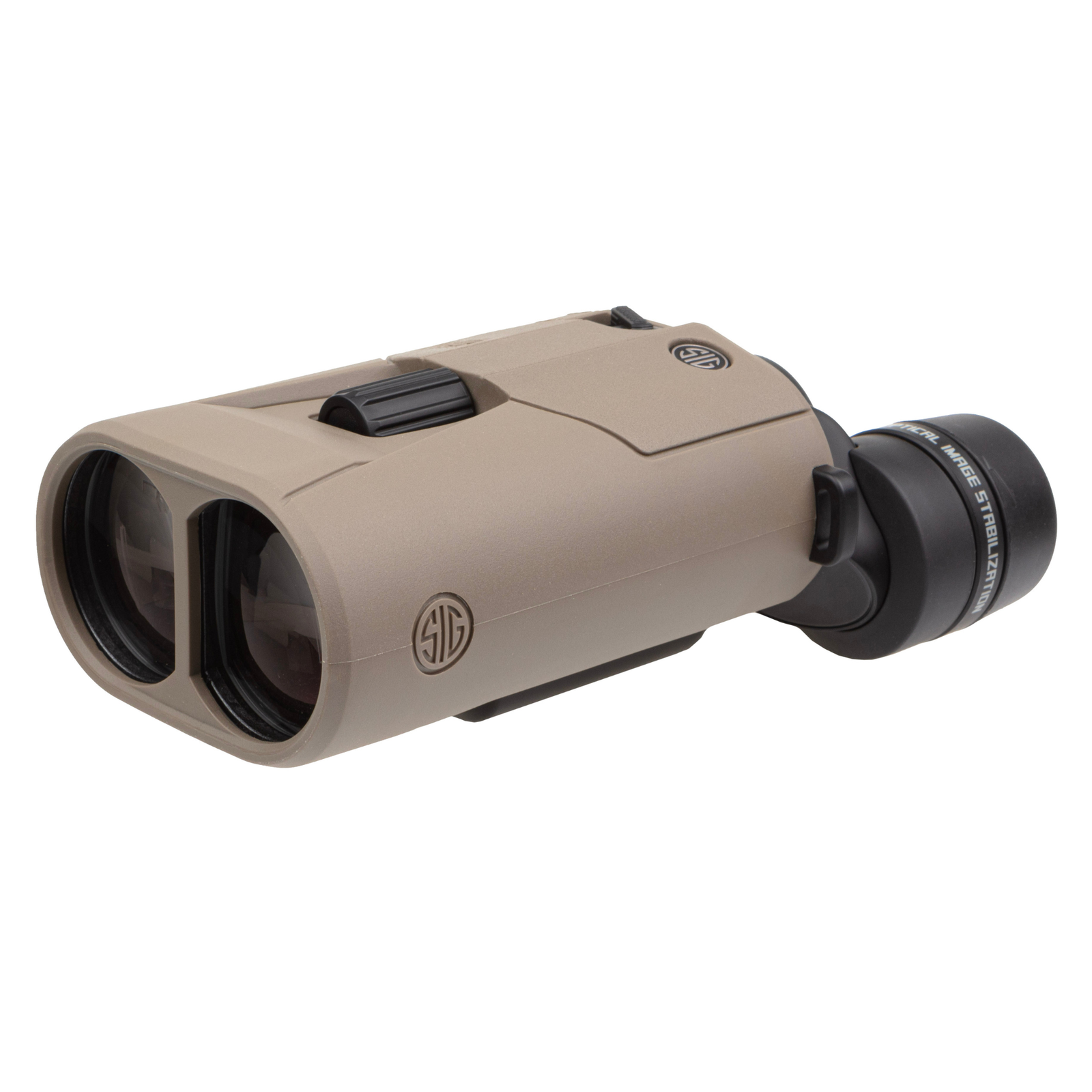
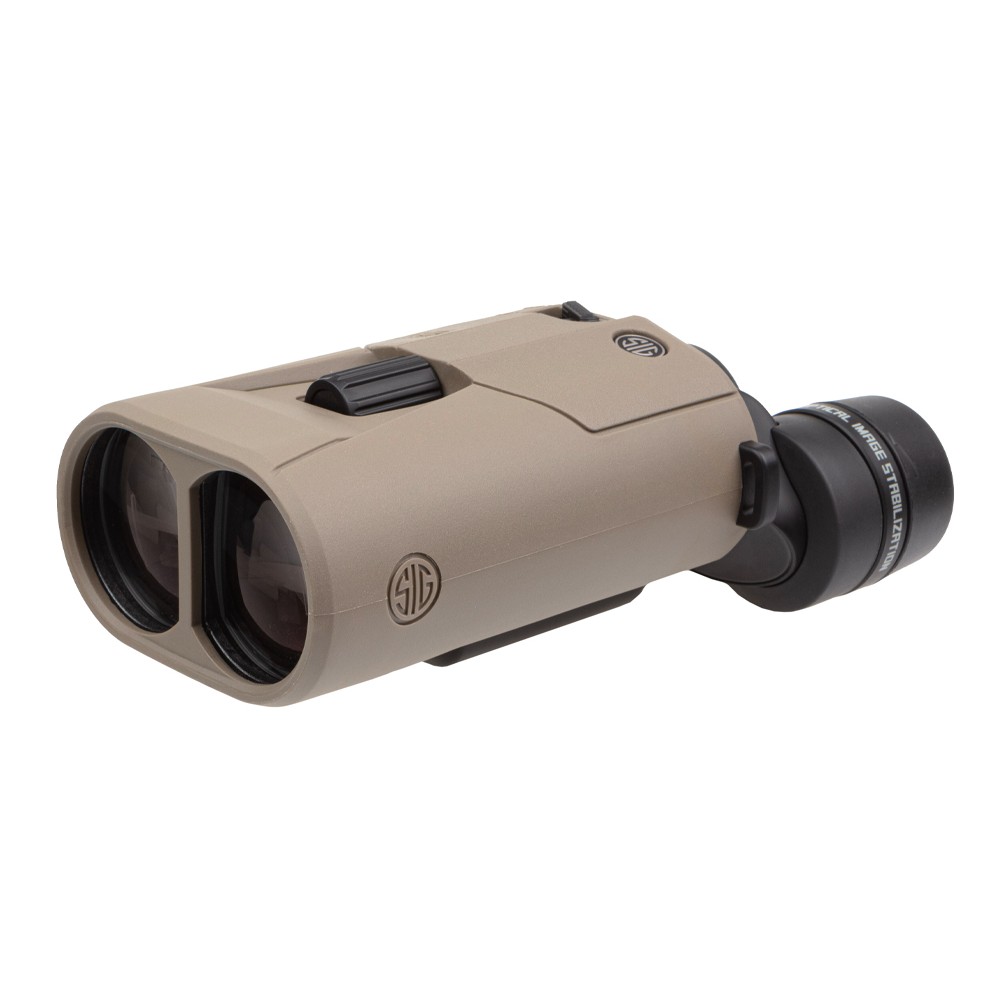
SIG Sauer Zulu6 HDX 12x42
The SIG Sauer Zulu6 HDX 12x42 pairs optical image stabilization with HDX glass, making 12x fully usable handheld at just 21.5 oz — no tripod needed. Runs 30 hours on a single AA battery with selectable Scan and Target modes.
Specifications
What do these mean? →Field of view, to scale
Why FOV matters →Top-down view · drawn to true scale — no exaggeration
Key Features
Owner Insights
The SIG Sauer Zulu6 HDX 12x42 is the binocular that made image stabilization a mainstream hunting conversation. The pitch is simple physics: an unstabilized 12x hand-held shows you less than a stabilized one, because tremor destroys resolution before optics do. Flip the switch on the Zulu6 and - as one review put it - you get 'tripod-like steadiness with just one hand.' Hunting forums are full of converts describing hillsides that suddenly resolved into deer, including low-light finds at 450 yards, and retailer owner ratings sit at 4.8 out of 5. Even reviewers who came to scoff at 'gun-brand glass' admitted the HDX optics were a pleasant surprise.
The engineering choices are hunter-shaped. Two modes: Scan, which stabilizes without fighting your panning, and Target, which adds about 40% more correction for studying a bedded buck - though testers note Target's slight lag and a brief 'yo-yo' settle when you stop moving. It weighs just 21.5 oz, less than many ordinary 10x42s, runs about 30 hours on one AA with auto-shutoff, offers a glasses-friendly 17mm of eye relief, and wears waterproof FDE armor. The trade-offs: the glass renders color a bit muted next to true alphas, the 199 ft field is narrow, and the 3.5mm exit pupil concedes the last 20-30 minutes of shooting light to premium conventional binoculars.
This is the right buy for the mobile western hunter who won't carry a tripod but wants 15x-tripod-style results from a chest harness, and for anyone whose hands have gotten shakier than their ambitions. At ~$1,100 it splits the stabilized market: the Fujinon TS-X 14x40 stabilizes harder but weighs 47 oz and hates eyeglasses, while Canon's IS line counters with nicer glass in a less field-hardened package. Against conventional alternatives like a Zeiss Conquest HDX plus tripod, the Zulu6 trades ultimate image quality for never having to set anything up - which, owners argue, is the difference between glass you carry and glass you use.
Pros
- +Stabilization delivers what one review called 'tripod-like steadiness with just one hand' - a freehand 12x that actually resolves like 12x
- +Two stabilization modes: Scan for lag-free panning and Target, which adds roughly 40% more correction for locked-on study
- +Featherweight for stabilized glass at 21.5 oz - lighter than many plain 10x42s and less than half a Fujinon TS-X
- +Runs about 30 hours on a single AA battery with a 10-minute auto-shutoff - trivial to keep fed on a backcountry hunt
- +The HDX glass upgrade surprised skeptics - a hunting reviewer called it 'a pleasant surprise,' and hunters report picking apart hillsides and spotting deer at 450 yards in fading light
- +Replaces the 10x-binocular-plus-tripod routine for mobile hunters - steadied 12x freehand finds game that shaky glass misses
- +Generous-for-IS 17mm eye relief - glasses wearers are actually accommodated, unlike on the Fujinon Techno-Stabi
Cons
- −Glass is honest mid-tier, not alpha - reviewers note muted color and less contrast than Swarovski or Leica of similar cost
- −Narrow 199 ft field of view makes scanning big open country slow
- −Roughly 20-30 minutes less usable low-light time than premium conventional glass, per side-by-side hunting comparisons
- −Target Mode introduces a slight lag, and testers describe a brief 'yo-yo' settle when you stop panning - quirks SIG only fixed in the pricier HDX Pro
- −3.5mm exit pupil is the built-in low-light ceiling no coating can fix
- −In side-by-sides some testers preferred Canon's IS glass, which stays clearer toward the field edge
- −Battery dependence adds an electronic failure point - with a dead AA you're holding an ordinary, very shaky 12x
- −At ~$1,100 it costs real money that could otherwise buy excellent conventional glass plus a tripod
Common Questions
Compare the SIG Sauer Zulu6 HDX 12x42
Related binoculars
Leupold
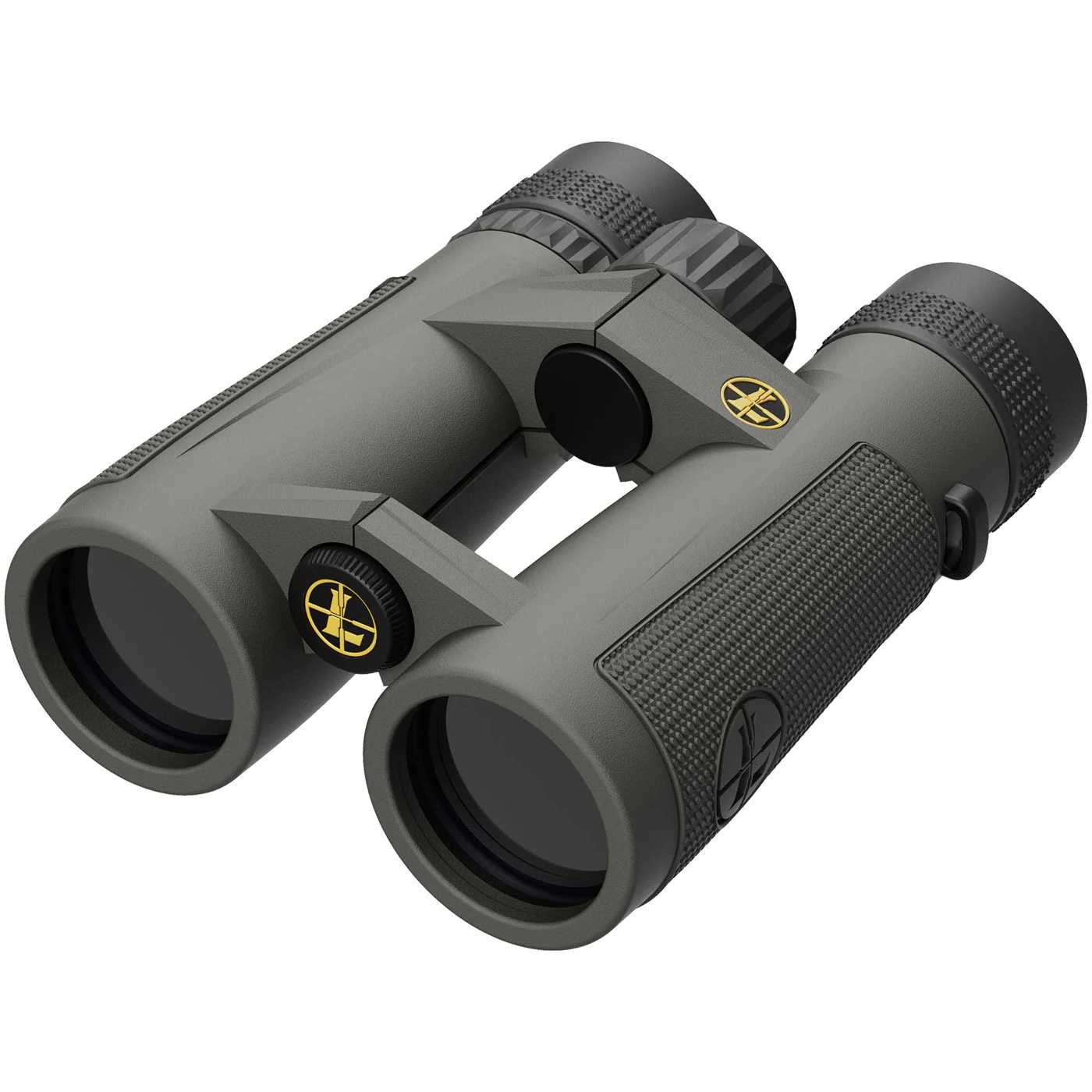
Leupold BX-5 Santiam HD 10x42
- Optic
- 10x×42
- FOV
- 341 ft
- Weight
- 24.3 oz
Vortex
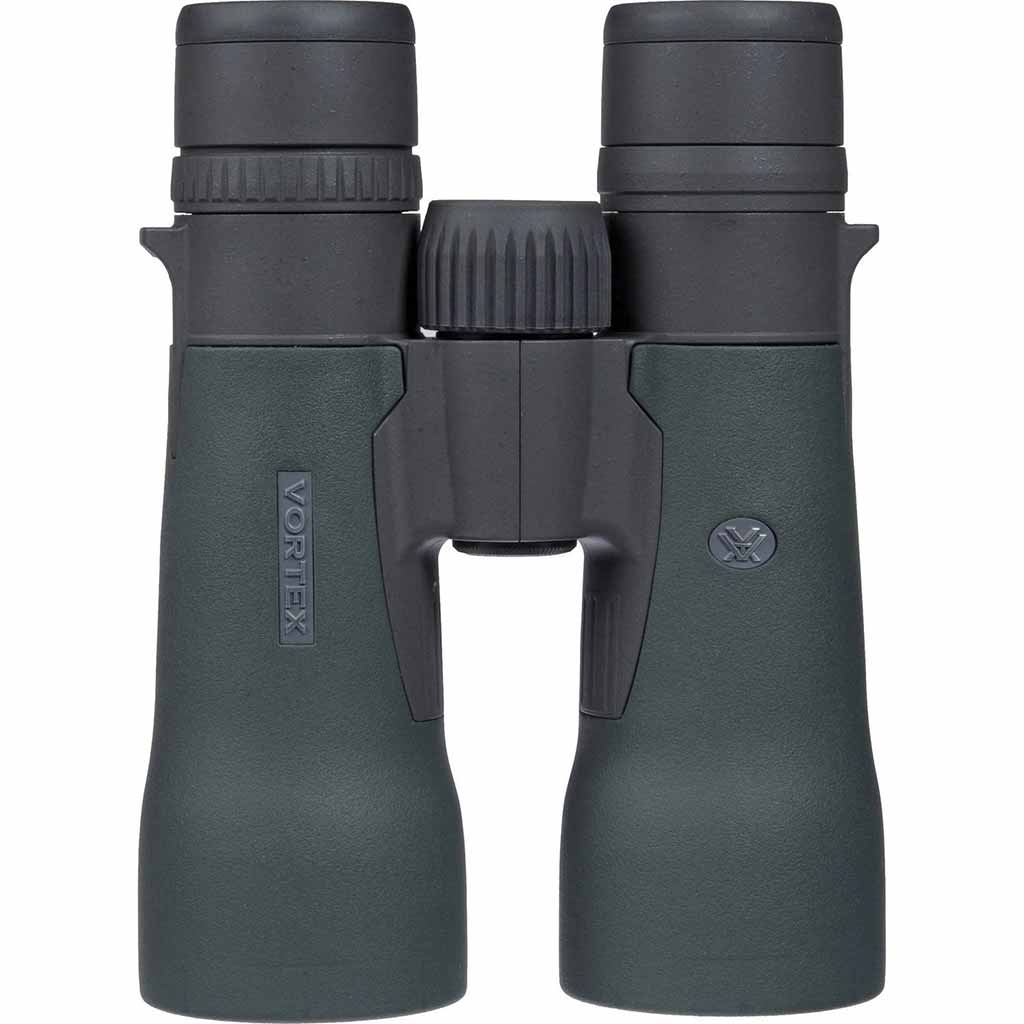
Vortex Razor HD 10x50
- Optic
- 10x×50
- FOV
- 315 ft
- Weight
- 28.1 oz
Zeiss
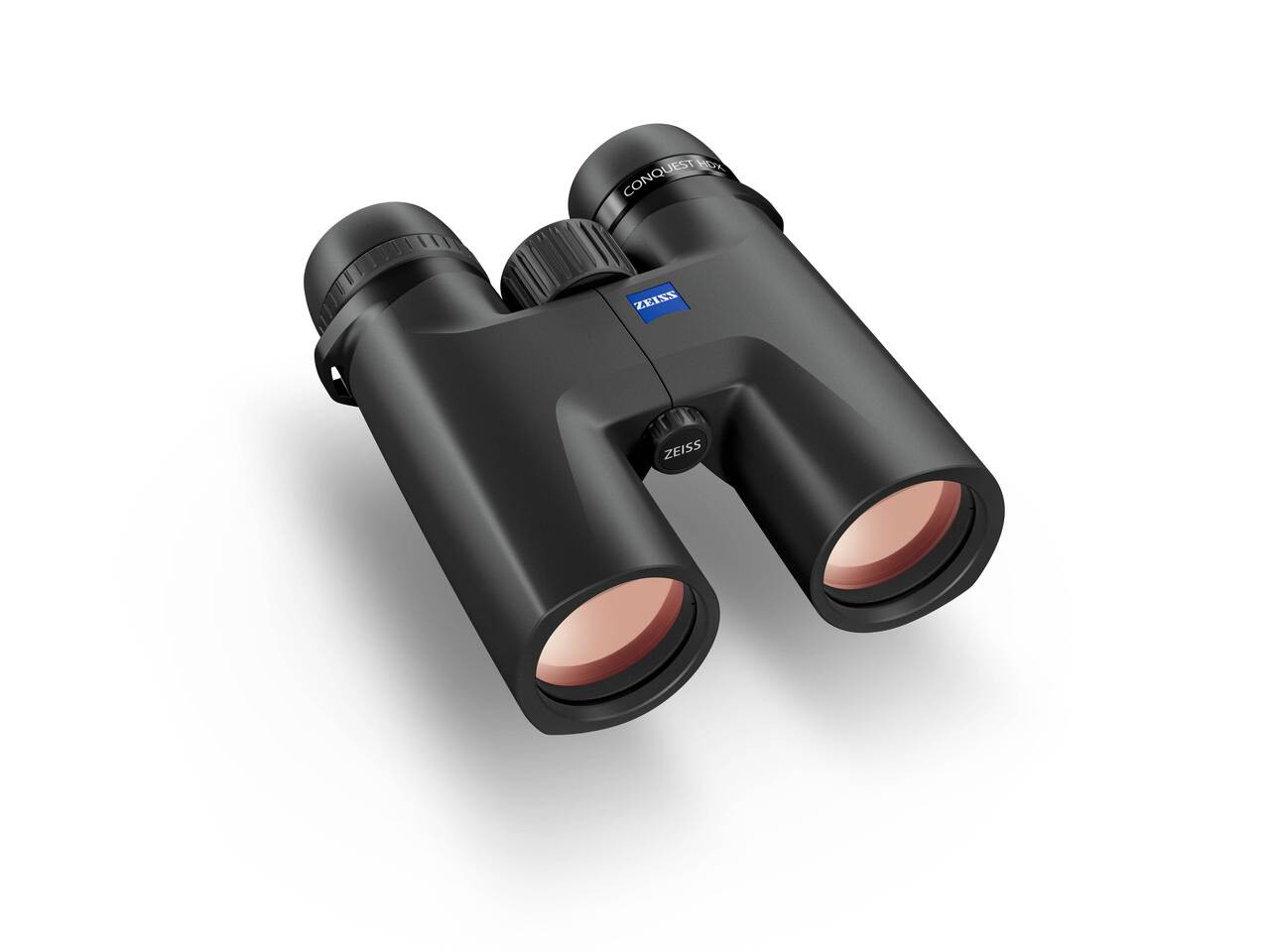
Zeiss Conquest HDX 10x42
- Optic
- 10x×42
- FOV
- 345 ft
- Weight
- 25.2 oz
Vortex
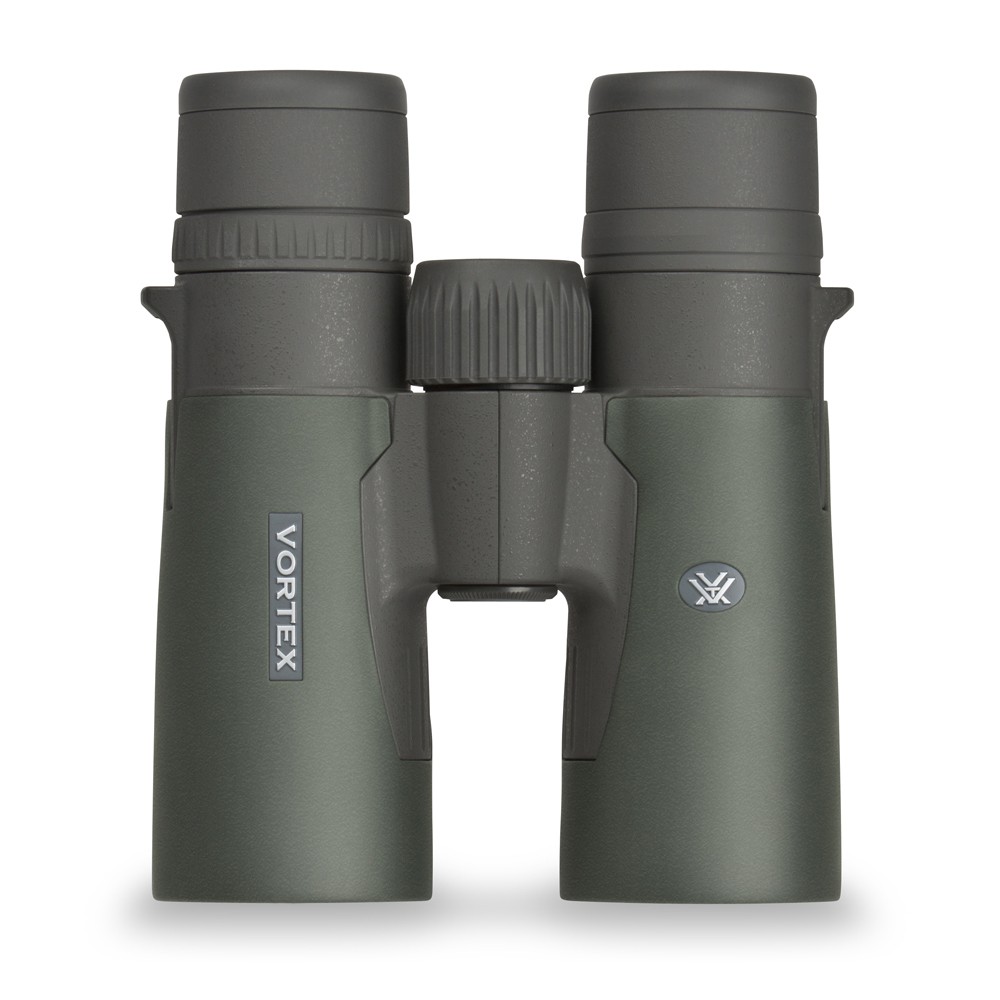
Vortex Razor HD 10x42
- Optic
- 10x×42
- FOV
- 362 ft
- Weight
- 24.8 oz