Vortex
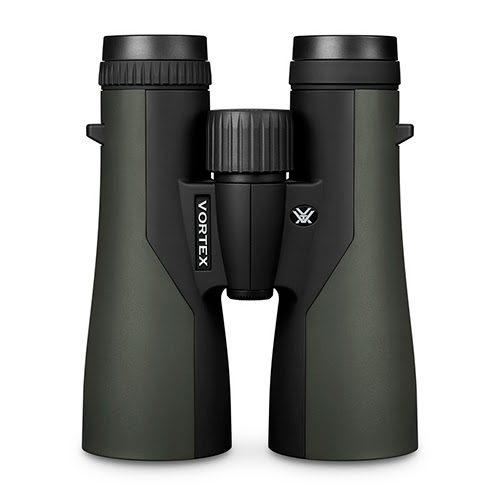
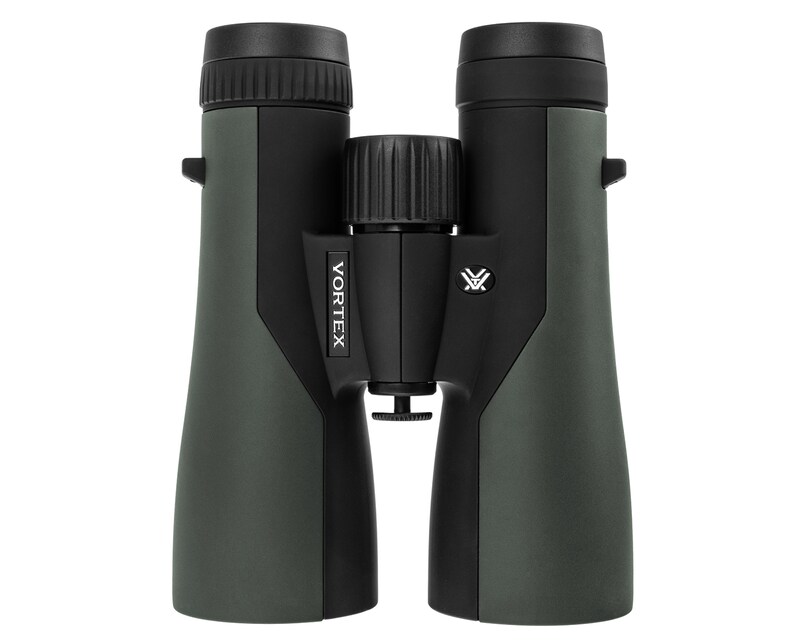
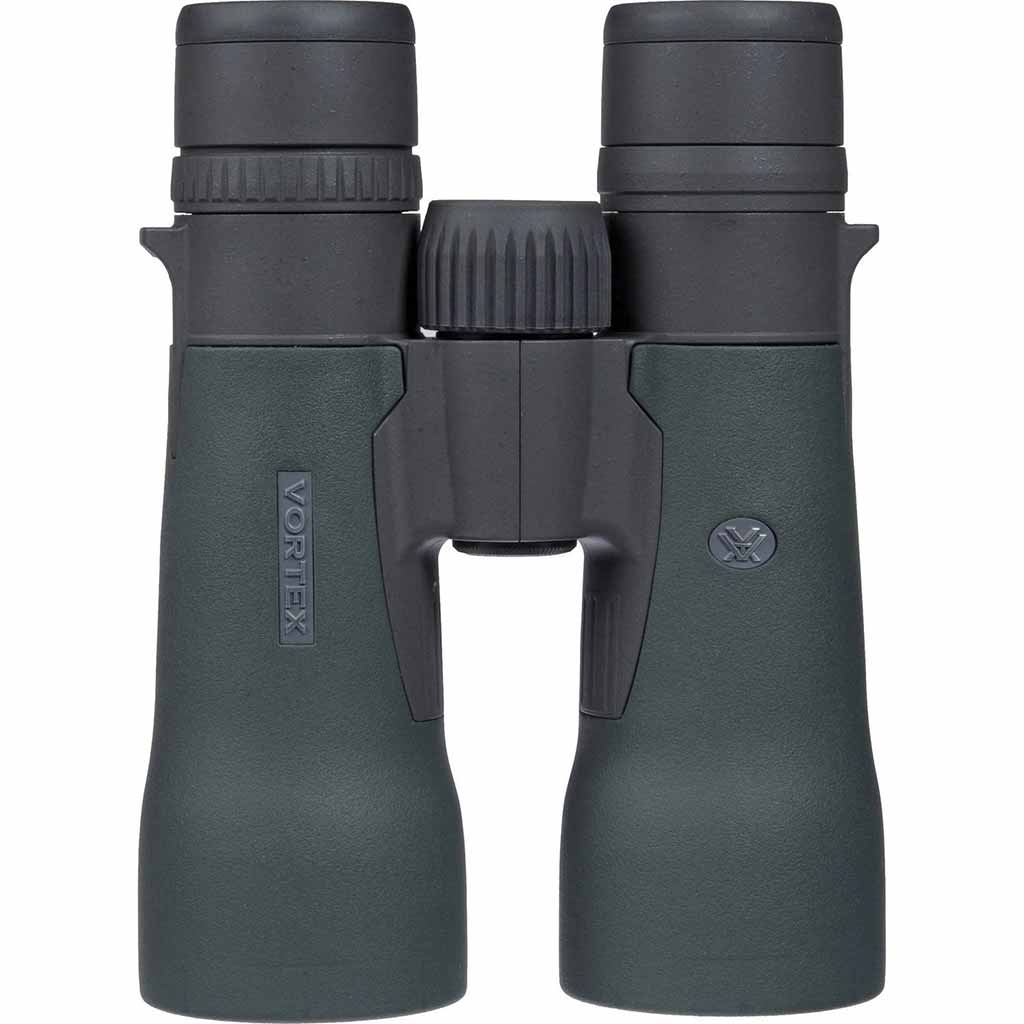
Vortex Razor HD 10x50
The Vortex Razor HD 10x50 trades some portability (28.1 oz, 6.8 in tall) for a big 5mm exit pupil that keeps images bright at dawn and dusk — the low-light pick of the Razor HD line for glassing hunters. It shares the same apochromatic HD system and XR Plus coatings as the 42mm models and currently sells around $1,089, about 31% off its $1,579.99 MSRP.
We may earn a commission. Price and availability on Amazon may differ.
Specifications
What do these mean? →Field of view, to scale
Why FOV matters →Top-down view · drawn to true scale — no exaggeration
Wondering about the format itself? 10x42 vs 10x50 · 8x42 vs 10x50
Key Features
Owner Insights
The Razor HD 10x50 is the configuration hunters pick when the question is 'how much can I see at last light?' It takes the well-regarded Razor HD formula - HD glass, dielectric coatings, magnesium chassis - and adds 50mm objectives while keeping the weight surprisingly close to the 42mm version. On hunting forums the recurring theme is that the 10x50 buys you real, usable minutes at dawn and dusk, and for western hunters glassing shadowed north slopes, that's frequently the difference between finding a buck and hiking home. The general vibe among owners is that this is the sweet spot where you get most of what alpha glass does at half the price.
Optically, the step up from Vortex's Viper HD line is consistently described as obvious rather than subtle - better edge sharpness, better brightness, and much better behavior in low light and glare. The 5mm exit pupil makes eye placement forgiving even with gloves and a heartbeat elevated from a climb, and the 17mm of eye relief works for most eyeglass wearers. Ergonomically it's a well-balanced but unmistakably full-size binocular; the locking diopter and grippy armor get praise, and the whole package feels like it was designed by people who actually hunt. The one honest caveat owners raise: handheld 10x through big objectives shows shake, so plan on bracing or a tripod for long sessions.
This is best for hunters who glass hard in the margins of the day - whitetail hunters in dark timber, western hunters picking apart basins at first light, and anyone who's been burned by 42mm glass going dim early. At around $1,000 it undercuts the Razor UHD and alpha-brand options significantly, though it faces stiff competition from Maven's B-series, which some head-to-head owners prefer in low light. If you want lighter and wider, the Razor HD 10x42 is the better all-day carry; if you want the last word in brightness at this price and don't mind the heft, the 10x50 is the one the low-light crowd keeps recommending.
Pros
- +Low-light performance is the whole point, and owners say it delivers - the 50mm objectives and 5mm exit pupil keep the image usable a solid 10-15 minutes past when 42mm glass goes dark, which matters at dawn and dusk when game moves
- +Remarkably light for a 50mm binocular - at around 27 ounces it's only 4 ounces heavier than the 10x42 version, and hunting forum users who've debated the two sizes say the weight penalty is small enough that they'd take the extra light every time
- +Edge-to-edge sharpness is a real step up from the Viper HD tier - owners who compared them side by side consistently report the Razor's image stays crisp to the edges where the Viper softens
- +HD glass and dielectric prism coatings produce a bright, color-accurate image that multiple hunters describe as competitive with binoculars costing considerably more
- +Magnesium chassis keeps it rigid and durable without the weight of aluminum - this thing survives truck-bed and saddle-scabbard life
- +Vortex's VIP warranty is unconditional and transferable - no receipt, no fault questions - and forum users across Rokslide and hunting boards repeatedly call Vortex's customer service among the best in the industry
- +Locking diopter stays put through months of hard use, a small thing owners appreciate after fighting drifting diopters on cheaper glass
- +Tripod adaptable, and at 10x50 it genuinely rewards a tripod - western hunters use it as a poor-man's spotting setup for long glassing sessions
Cons
- −303 ft field of view is on the narrow side for 10x - noticeably tighter than the 10x42's window, which makes tracking moving animals or scanning timber slower
- −It's still a 50mm binocular around your neck all day - elk hunters who hike hard say the size difference versus a 42mm is more noticeable than the spec-sheet 4 ounces suggests
- −Serious side-by-side users note it can't quite hang with true alpha glass - Swarovski EL and Zeiss Conquest HD owners see slightly better resolution and control of chromatic aberration
- −Some owners who compared brands head-to-head found Maven's B-series brighter in the last minutes of legal light at a similar price, which stings given that low light is this model's job
- −Vortex has since released the Razor UHD line above it, and forum users who've tried both say the UHD is noticeably better optically - making the HD feel like the middle child
- −Handheld 10x with a big front-heavy barrel shows more shake than a 42mm - some users end up wanting the tripod more often than they expected
- −Close focus around 6 feet is fine for hunting but mediocre for anyone who also wants to watch butterflies or feeder birds up close
- −At full retail it sits in a crowded $1,000 bracket where Maven B.1/B.2, Leupold BX-5 Santiam, and discounted alpha-brand entry models all compete hard for the same buyer
Common Questions
Compare the Vortex Razor HD 10x50
Related binoculars
Vortex
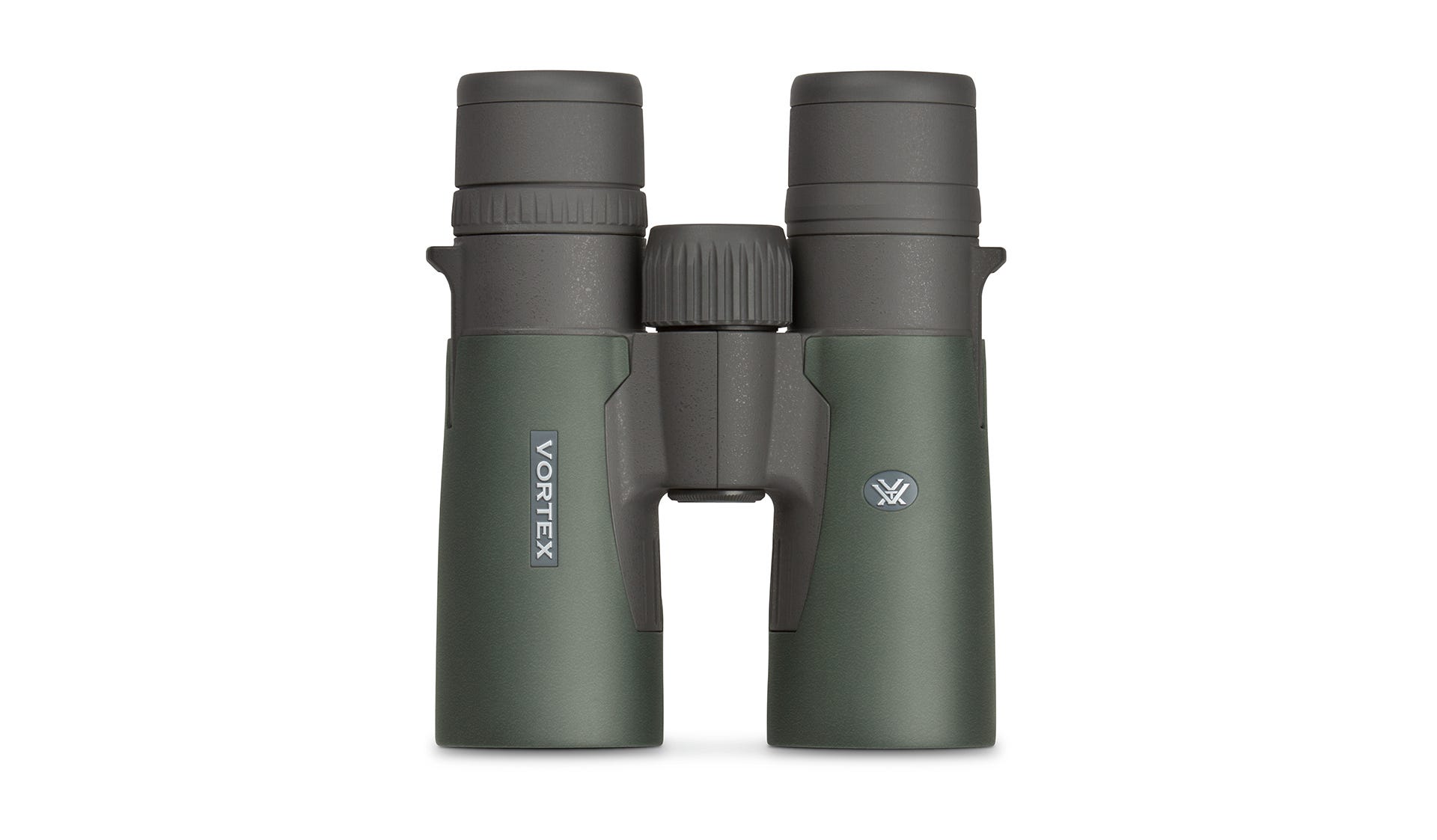
Vortex Razor HD 10x42
- Optic
- 10x×42
- FOV
- 362 ft
- Weight
- 24.8 oz
Vortex
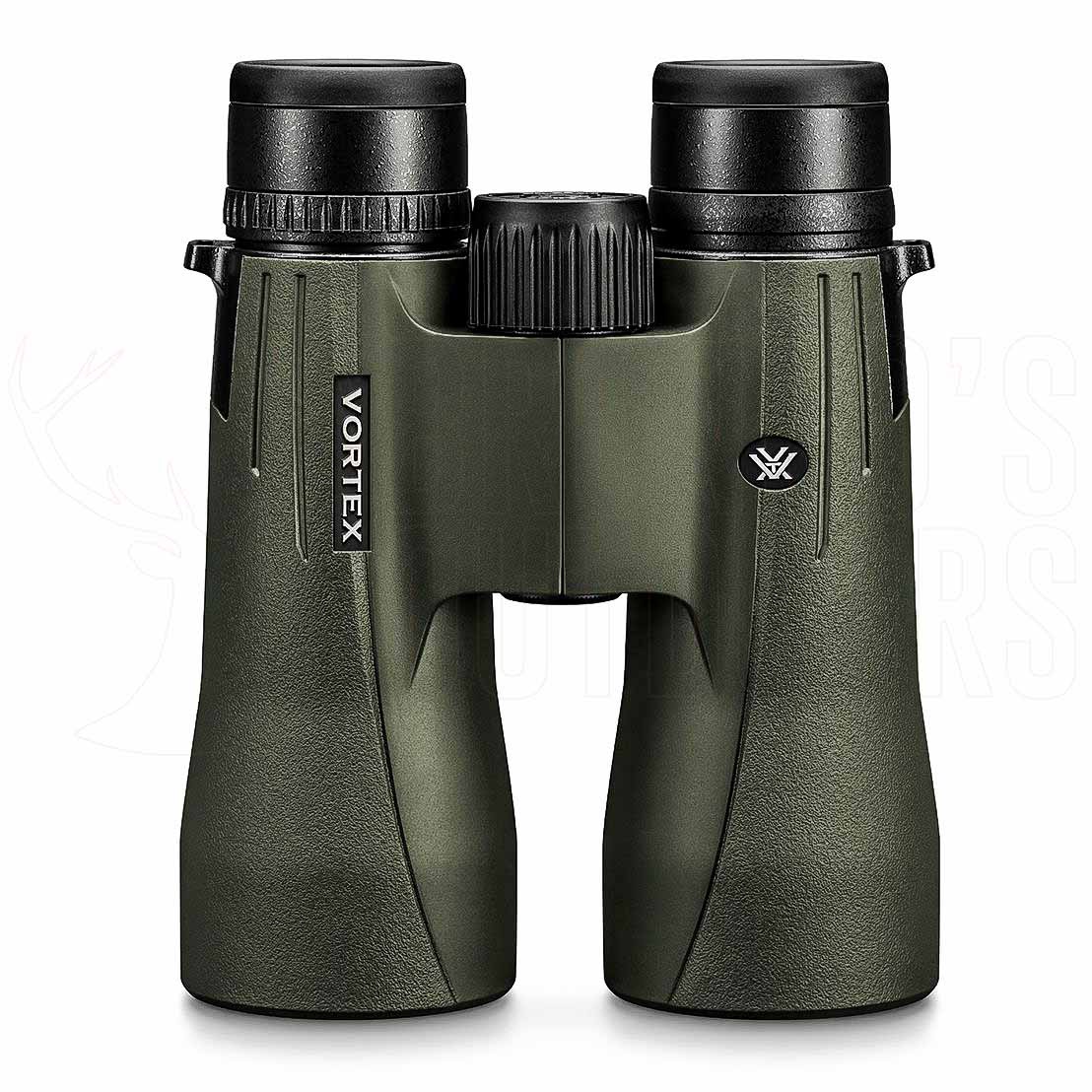
Vortex Razor HD 8x42
- Optic
- 8x×42
- FOV
- 388 ft
- Weight
- 24.2 oz
Vortex
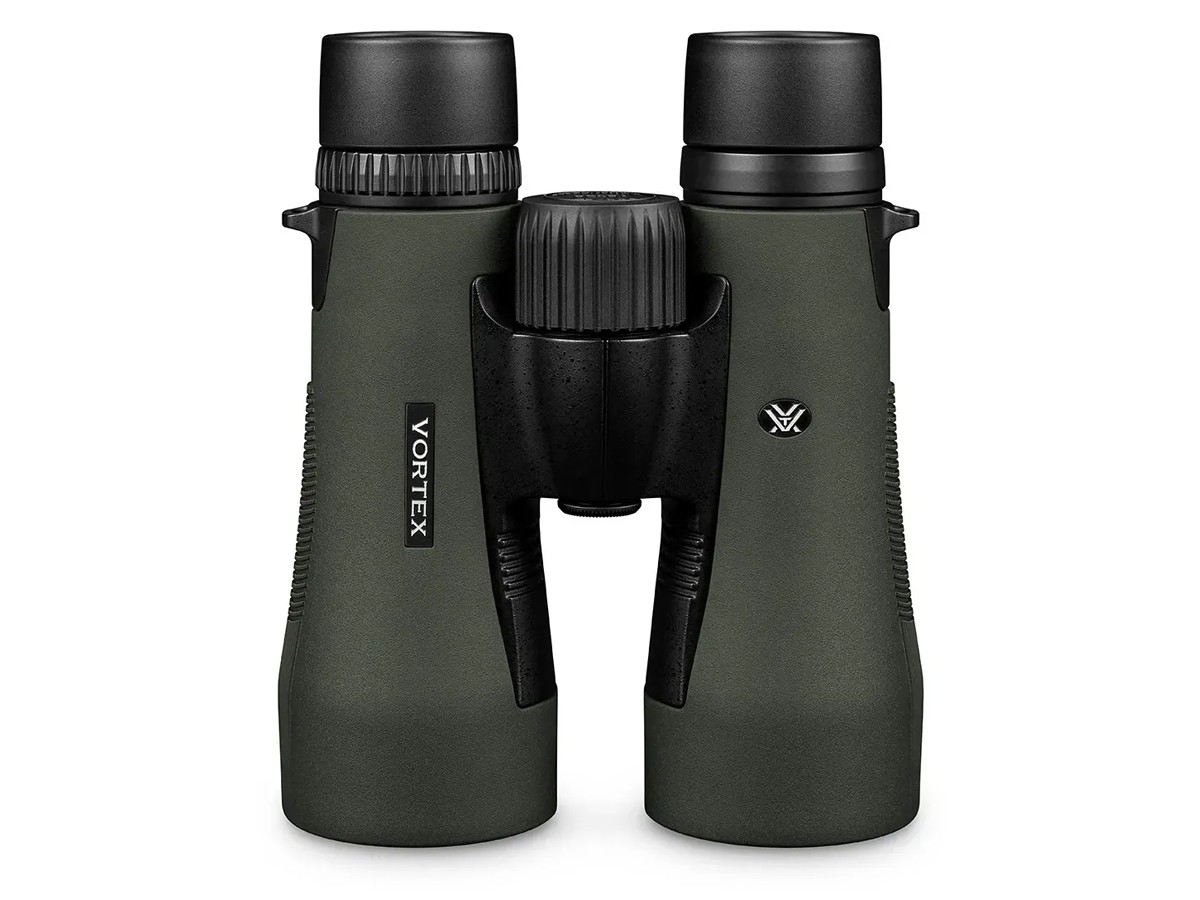
Vortex Viper HD 10x50
- Optic
- 10x×50
- FOV
- 346 ft
- Weight
- 28.4 oz
Vortex
Vortex Diamondback HD 10x50
- Optic
- 10x×50
- FOV
- 315 ft
- Weight
- 30.0 oz