SIG Sauer
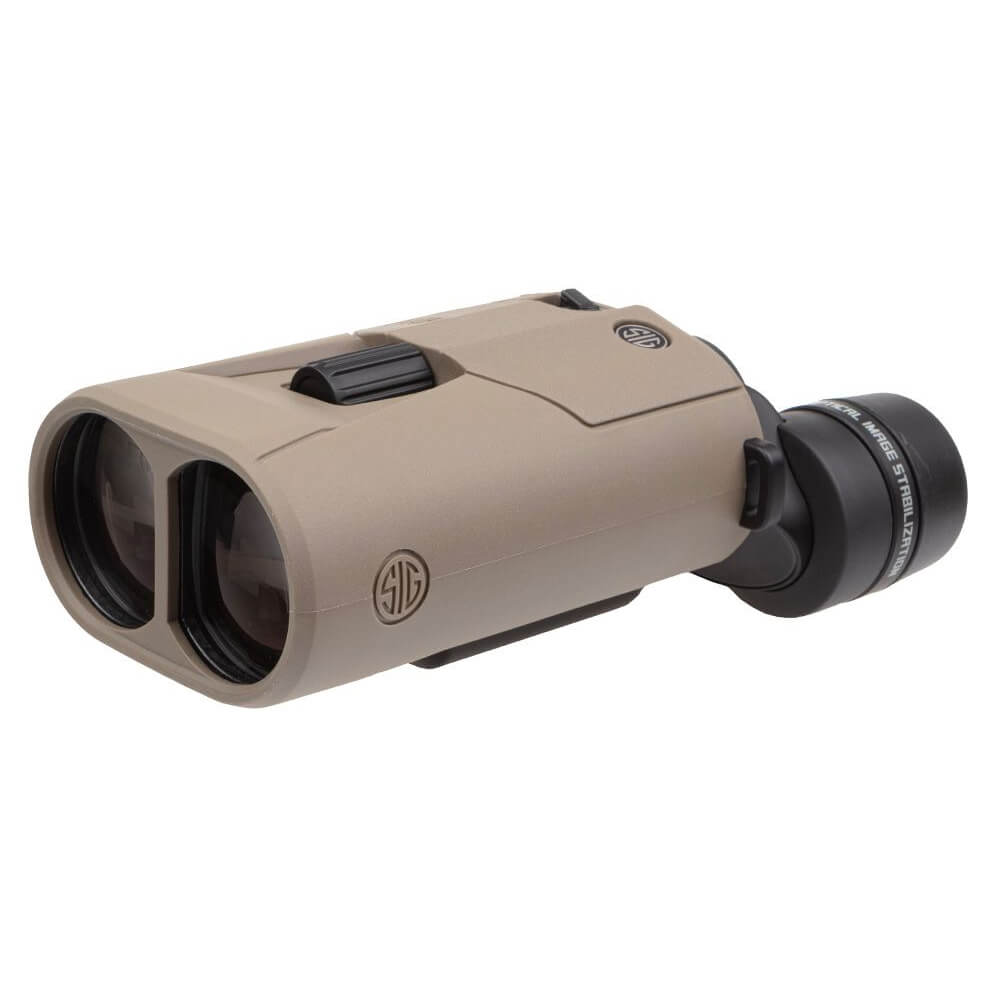
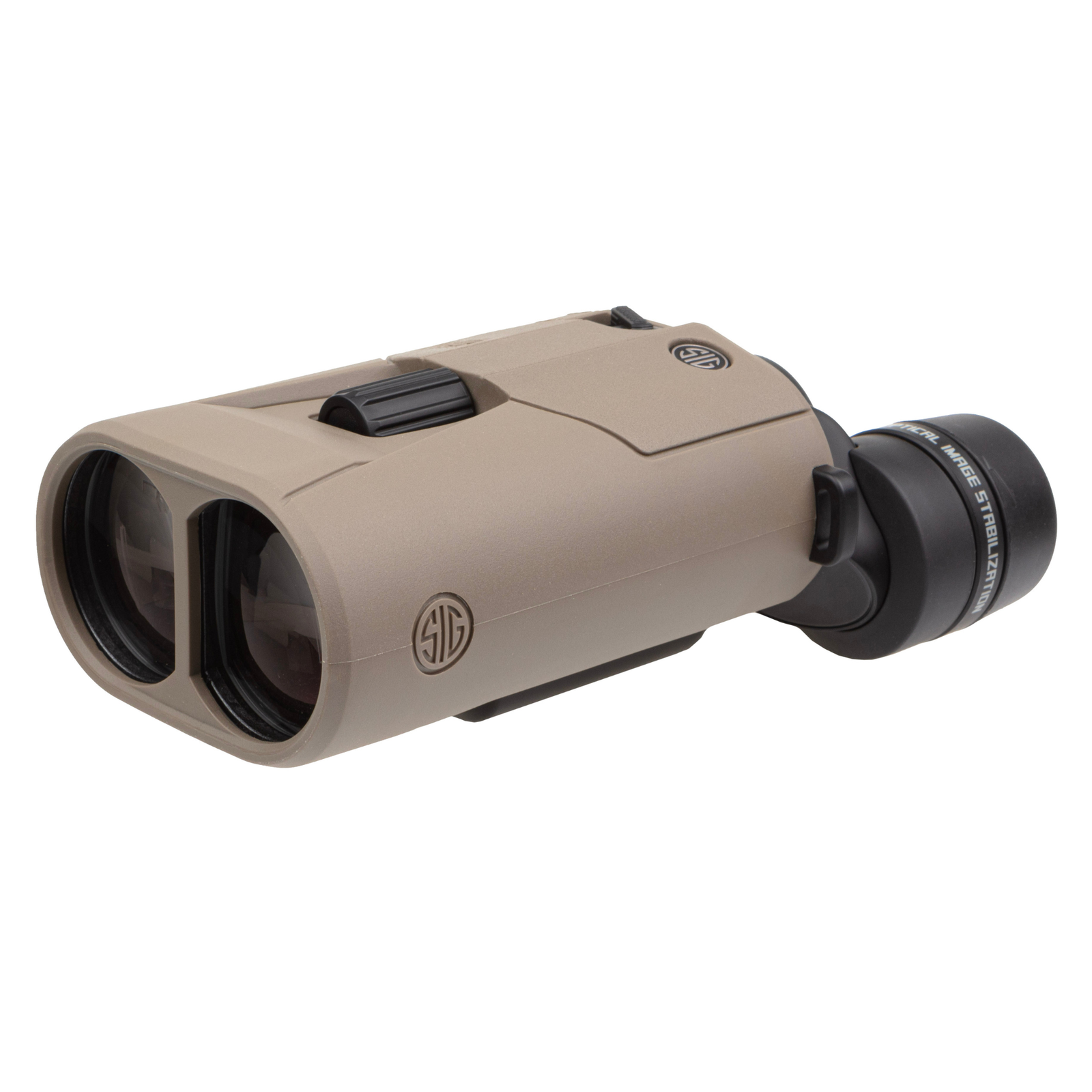
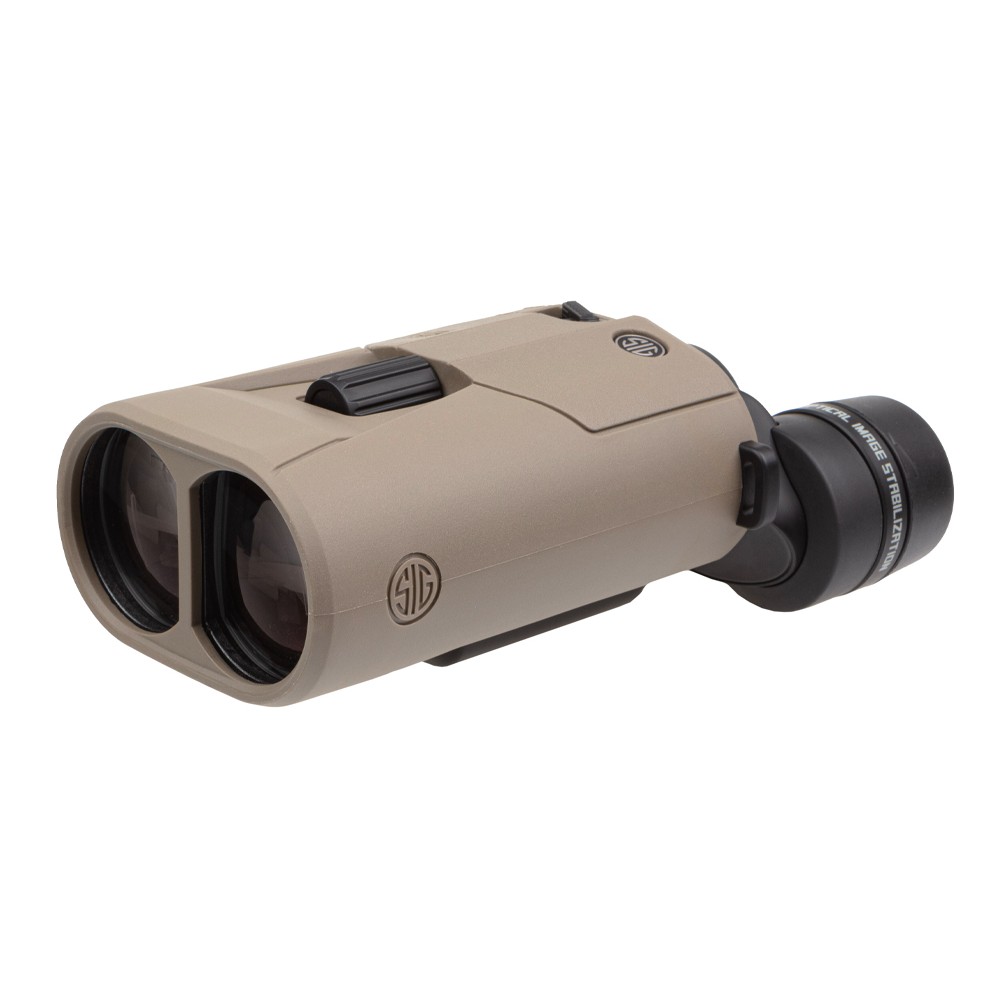
SIG Sauer Zulu6 HDX 10x30
The SIG Sauer Zulu6 HDX 10x30 pairs SIG's proprietary optical image stabilization with HDX glass, delivering tripod-steady 10x views from a 19.2 oz body with selectable Scan and Target modes. IPX7 waterproof with an unusually short 4 ft close focus, it carries SIG's Infinite Guarantee on the optics.
Specifications
What do these mean? →Field of view, to scale
Why FOV matters →Top-down view · drawn to true scale — no exaggeration
Wondering about the format itself? 10x30 vs 10x42 · 8x42 vs 10x30
Key Features
Owner Insights
The Zulu6 HDX 10x30 is the binocular that brought image stabilization to the hunting world on hunting terms — waterproof, camo-adjacent styling, and a toggle switch instead of Canon's hold-down button. SIG's OmniScan system reads your motion with an accelerometer and adapts: pan and it stays loose and natural, settle on a bedded buck and the image clamps down. Reviewers consistently describe the effect as revelatory for handheld glassing — 'much steadier than hand-holding other binos' — and one American hunting magazine tester concluded he wasn't 'glassing or hunting without it until something better comes along.'
Be clear about the trade: stabilization comes out of the optics budget. The glass is good, not great — reviewers of the line note slightly muted colors versus conventional binoculars at this price, the 273-foot field of view is genuinely narrow for a 10x, and the 3mm exit pupil gives up the last light. The electronics have quirks too: an occasional 'yo-yo' effect when you stop panning abruptly, image swim if you lower the binocular with stabilization running, and a CR2 battery instead of hardware-store AAs. It also can't go on a tripod at all — the stabilizer and a fixed mount fight each other. But it's waterproof, 18.6 ounces, and usable one-handed, three things the Canon alternative can't claim.
This is the treestand and timber hunter's stabilized binocular, and the bowhunter's especially — one-hand operation while holding a bow is a repeated owner refrain. Western glassers who run tripods all day mostly stick with mounted 15x conventionals. Against the Canon 10x30 IS II (about $500-550), you're paying roughly $350-400 extra for waterproofing, the stay-on toggle, and hunt-ready handling versus Canon's wider field and better lab-tested optics; against its own 12x42 and 16x42 HDX siblings, the 10x30 is the carry-friendly pick testers preferred for all-day use. For a stabilized binocular that lives outdoors in real weather, it currently has the niche nearly to itself.
Pros
- +Optical image stabilization that hunters describe as transformative — 'much steadier than hand-holding other binos,' with detail resolution approaching tripod-like at 10x
- +OmniScan motion-adaptive stabilization uses an accelerometer to apply more correction the slower you move — panning feels natural, then the image locks up when you settle on a subject
- +Genuinely one-hand usable, which bowhunters specifically praise — glass with one hand while the other holds the bow
- +Light and compact for a stabilized binocular: about 18.6 oz and 5.9 inches — testers who ran it against the bigger Zulu6 variants called the 10x30 'better in every way' for carry
- +Stabilization runs from a toggle switch that stays on — no holding a button down like the Canon IS series
- +15mm eye relief edges out its direct rival Canon 10x30 IS II (14.5mm) for eyeglass wearers
- +Waterproof HDX construction — a key advantage over the fair-weather Canon competition — with the line surviving reviewers' dust and downpour abuse
Cons
- −Narrow 273 ft field of view — significantly tighter than the Canon 10x30 IS II's 315 ft and most conventional 10x binoculars
- −Optical quality sits a clear notch below premium glass — reviewers of the line note somewhat muted colors and the 30mm objectives limit light gathering
- −Cannot be tripod-mounted — the stabilization system conflicts with a fixed platform and there's no provision for it
- −The motion-adaptive stabilization can 'yo-yo' briefly when you stop a pan abruptly, and leaving it on while lowering the binocular causes a swimming image
- −Runs on a CR2 battery — less common and pricier than the AA cells the Canon uses
- −The 3mm exit pupil fades at dawn and dusk, the prime windows for the deer hunters it's marketed to
- −Line-wide gripes: eyecup caps that fall off and lack tethers, and smooth rubber armor that gets slippery when wet
- −At around $900 it costs nearly double the Canon 10x30 IS II, its most obvious alternative
Common Questions
Compare the SIG Sauer Zulu6 HDX 10x30
Related binoculars
Leica
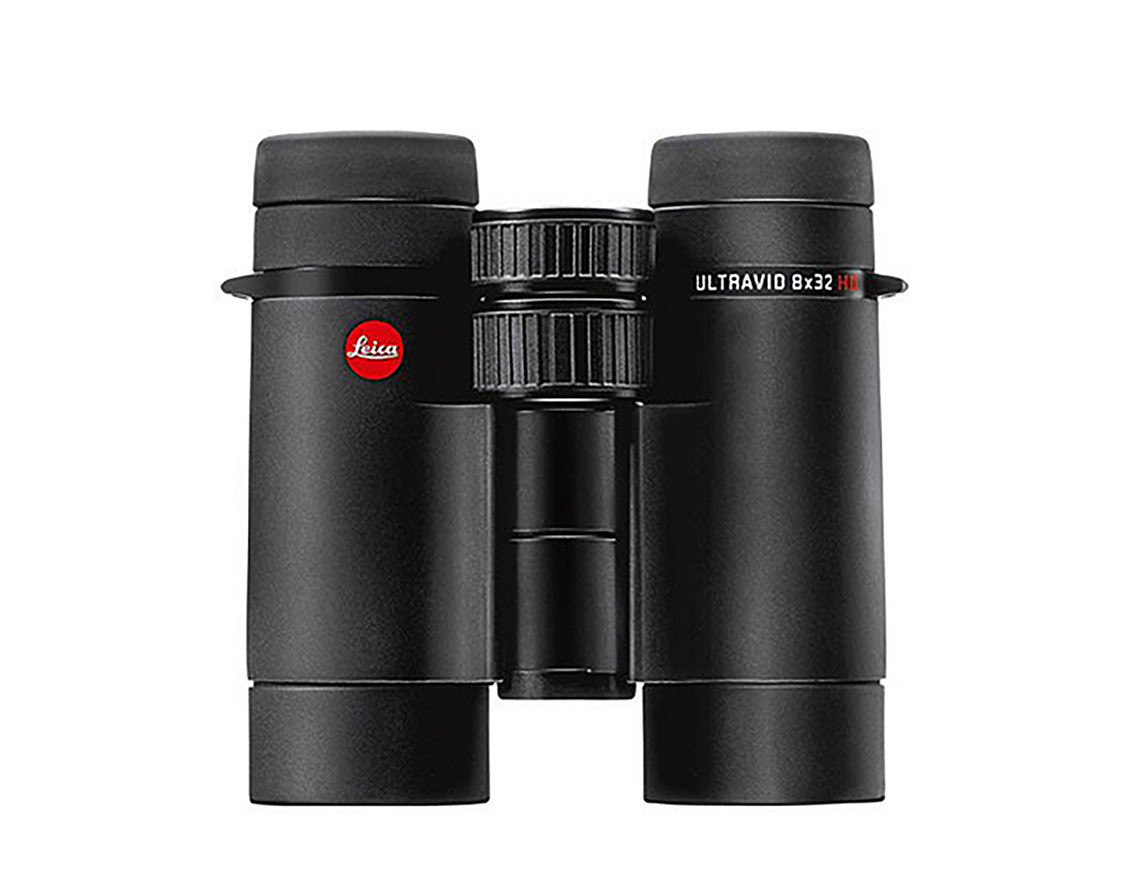
Leica Ultravid 10x25
- Optic
- 10x×25
- FOV
- 273 ft
- Weight
- 8.8 oz
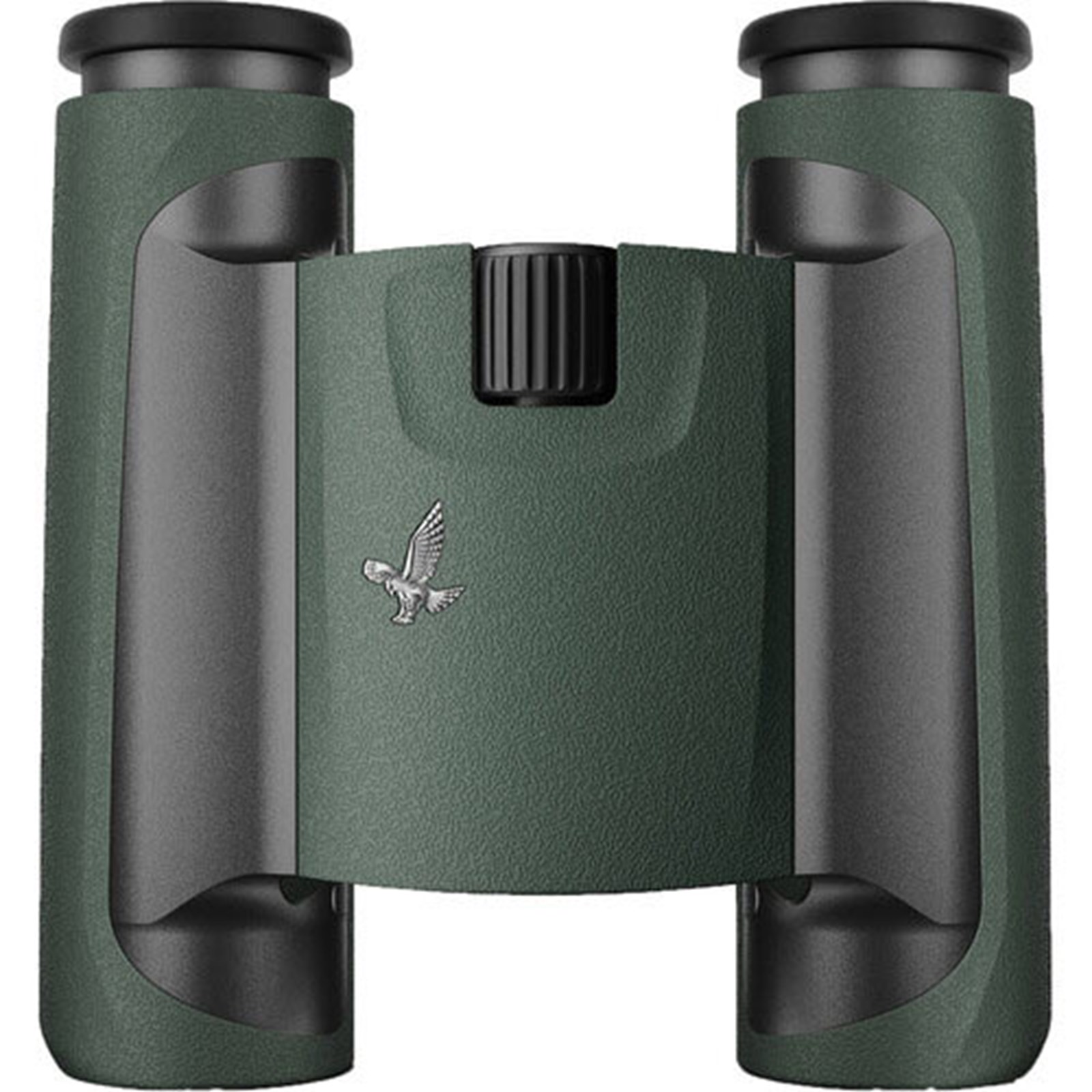
Swarovski
Swarovski CL Pocket 8x25
- Optic
- 8x×25
- FOV
- 357 ft
- Weight
- 12.2 oz
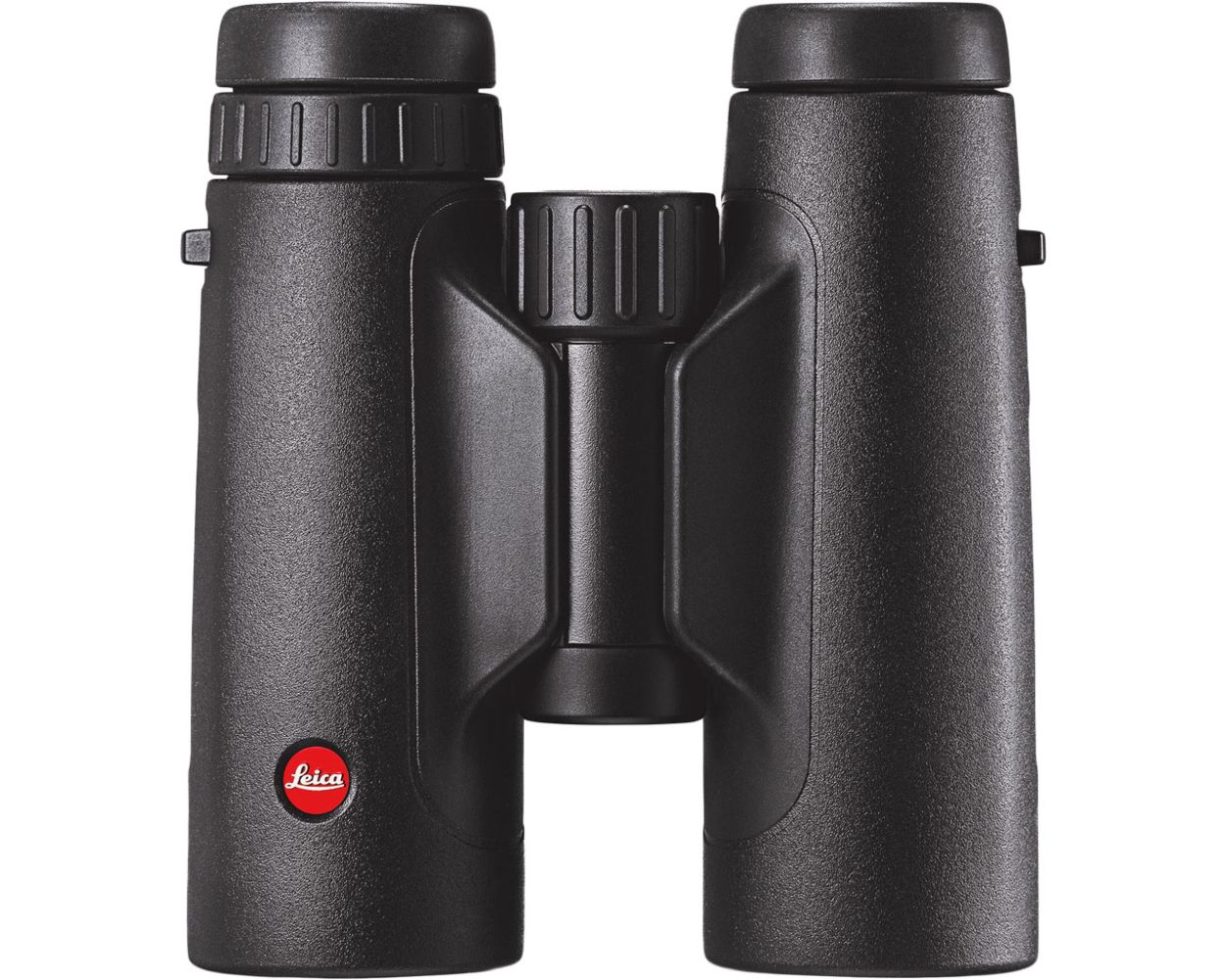
Leica
Leica Trinovid HD 10x42
- Optic
- 10x×42
- FOV
- 336 ft
- Weight
- 25 oz
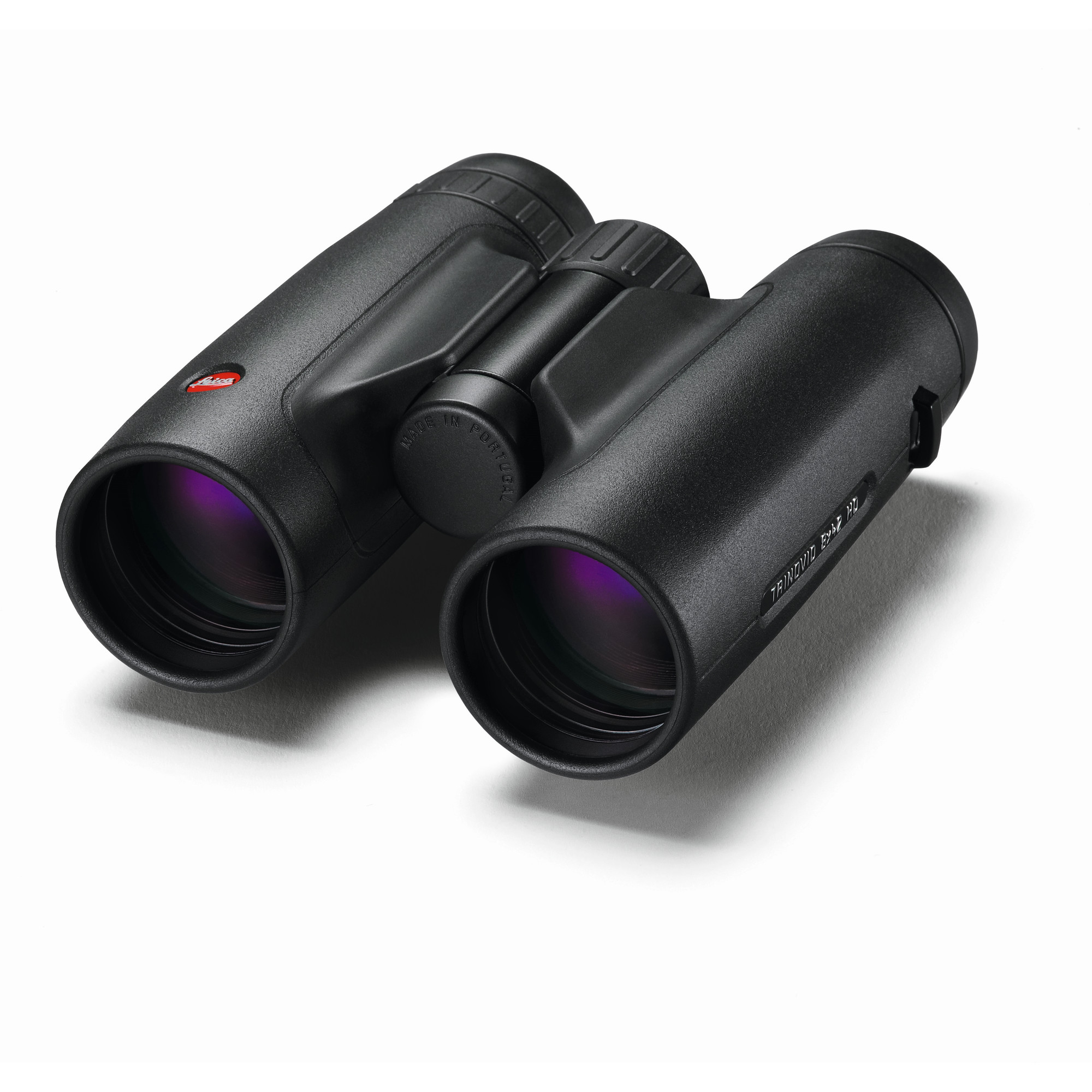
Leica
Leica Trinovid HD 8x42
- Optic
- 8x×42
- FOV
- 372 ft
- Weight
- 25.8 oz