SIG Sauer Zulu6 HDX 12x42 vs SIG Sauer Zulu6 HDX 10x30
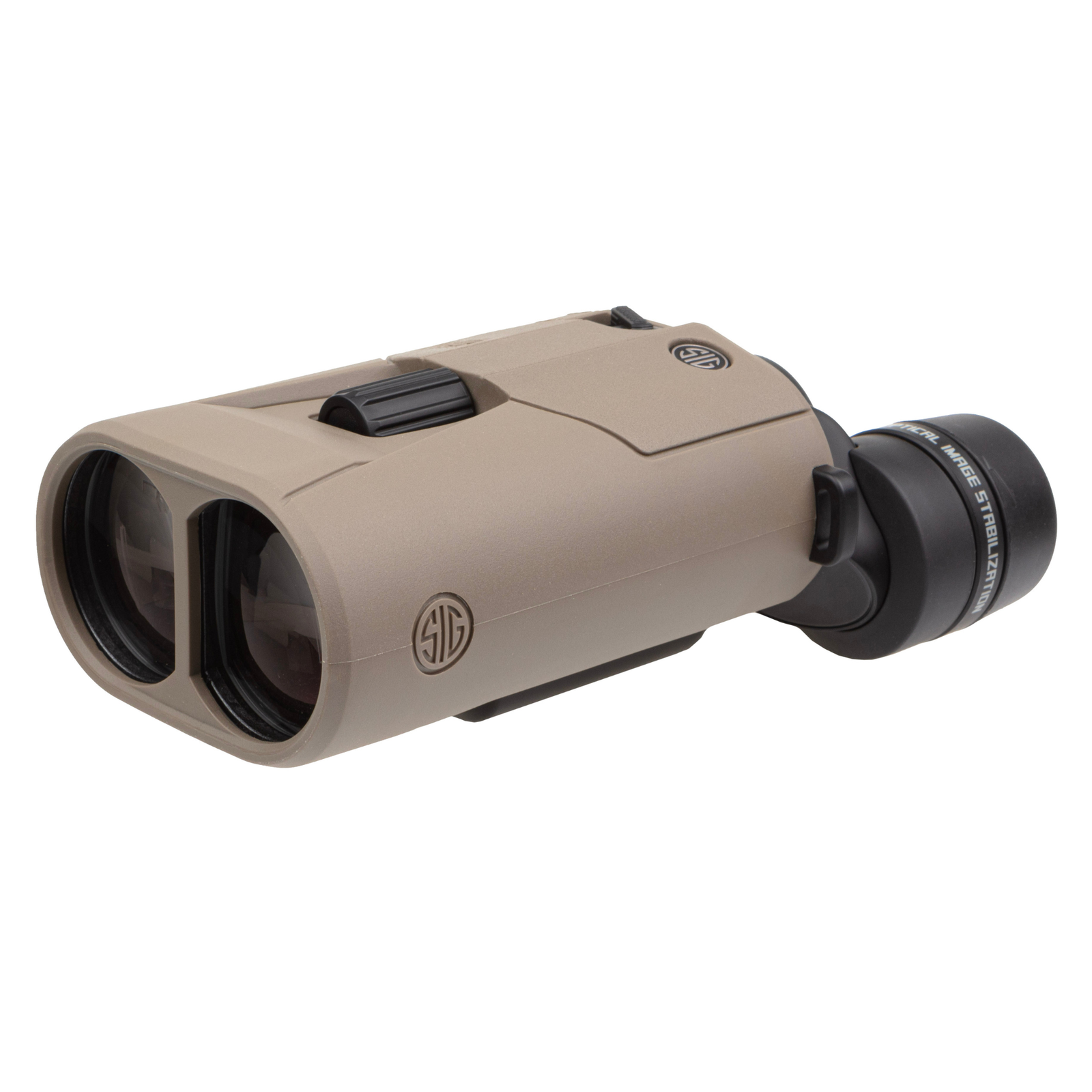
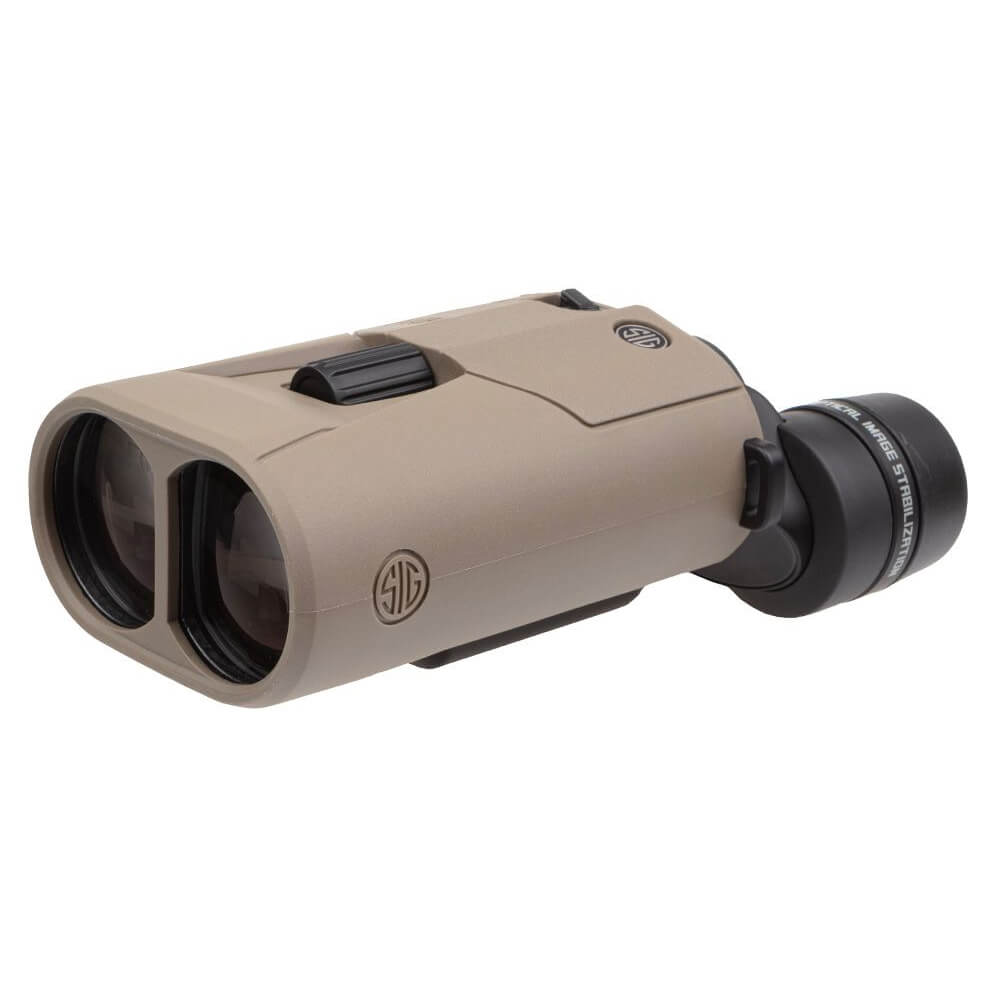
Quick take: The SIG Sauer Zulu6 HDX 10x30 costs $100 less; the SIG Sauer Zulu6 HDX 12x42 reaches farther (12x vs 10x); the SIG Sauer Zulu6 HDX 10x30 has a wider field of view (273 vs 199 ft @ 1000 yds).
Field of view, to scale
Top-down view · drawn to true scale — no exaggeration
Which one to buy
Bowhunters in timber and western hunters glassing basins want different things from a stabilized binocular, and SIG makes a Zulu6 HDX for each. The 10x30 is the smaller one and $100 cheaper: 19.2 oz, a 273 ft field and a 4 ft close focus. The 12x42 weighs 21.5 oz, shows a narrower 199 ft, and adds reach plus a larger 3.5mm exit pupil against the 10x30's 3.0mm. Both are waterproof and carry a lifetime warranty.
Owners of both describe the stabilization as the reason to buy: tripod-like steadiness in one hand, with a brief yo-yo settle when you stop a pan. 10x30 owners single out one-handed use while holding a bow, a toggle that stays on, and carry so easy that testers preferred it to the bigger Zulu6 models. 12x42 owners talk about picking apart hillsides and spotting deer at 450 yards in fading light, and about its two modes, Scan for panning and Target for roughly 40% more correction on a fixed spot.
The practical differences owners raise are battery and light. The 12x42 runs about 30 hours on one AA, while the 10x30 takes a CR2 cell, which is less common and costs more. Neither is bright at dusk: 12x42 owners say it gives up 20-30 minutes of usable light to premium conventional glass, and 10x30 owners say its 3.0mm exit pupil fades at dawn and dusk. Eye relief favors the 12x42 slightly, 17mm against 15mm. Owners of both rate the glass as good rather than alpha, with somewhat muted color.
The split follows the terrain. The 10x30's wider field and lighter body suit timber, treestands and bowhunting; open-country glassing, where you sit and pick apart distant slopes, is where the 12x42 earns the extra $100.
SIG Sauer Zulu6 HDX 12x42
Worth the extra $100 for open-country hunters who want 12x reach, AA power and a little more eye relief.
SIG Sauer Zulu6 HDX 10x30
For bowhunters and treestand or timber hunters who want a lighter, wider-field stabilized binocular they can run one-handed.
| Spec | SIG Sauer Zulu6 HDX 12x42 | SIG Sauer Zulu6 HDX 10x30 |
|---|---|---|
| Approx. price | ~$1,100 | ~$1,000 |
| Use case | Hunting | General Purpose |
| Magnification | 12x | 10x |
| Objective | 42mm | 30mm |
| Exit pupil | 3.5mm | 3.0mm |
| Field of view | 199 ft @ 1000 yds | 273 ft @ 1000 yds |
| Eye relief | 17mm | 15mm |
| Close focus | 13.1 ft | 4 ft |
| Prism | Roof | Roof |
| Glass | HD | HD |
| Coating | Fully Multi-Coated | Fully Multi-Coated |
| Weight | 21.5 oz | 19.2 oz |
| Dimensions | 7.1 x 4.7 in | 5.9 x 4.7 in |
| Warranty | Lifetime | Lifetime |
Feature comparison
SIG Sauer Zulu6 HDX 12x42
- ✗ED Glass
- ✗Phase-Corrected
- ✗Dielectric Coating
- ✓Waterproof
- ✓Fogproof
- ✓Image Stabilized
- ✗Tripod Adaptable
- ✗Magnesium Body
- ✗Locking Diopter
SIG Sauer Zulu6 HDX 10x30
- ✗ED Glass
- ✗Phase-Corrected
- ✗Dielectric Coating
- ✓Waterproof
- ✓Fogproof
- ✓Image Stabilized
- ✗Tripod Adaptable
- ✗Magnesium Body
- ✗Locking Diopter
What birders say
SIG Sauer Zulu6 HDX 12x42
- ✓Stabilization delivers what one review called 'tripod-like steadiness with just one hand' - a freehand 12x that actually resolves like 12x
- ✓Two stabilization modes: Scan for lag-free panning and Target, which adds roughly 40% more correction for locked-on study
- ✓Featherweight for stabilized glass at 21.5 oz - lighter than many plain 10x42s and less than half a Fujinon TS-X
- ✓Runs about 30 hours on a single AA battery with a 10-minute auto-shutoff - trivial to keep fed on a backcountry hunt
- ✓The HDX glass upgrade surprised skeptics - a hunting reviewer called it 'a pleasant surprise,' and hunters report picking apart hillsides and spotting deer at 450 yards in fading light
- ✓Replaces the 10x-binocular-plus-tripod routine for mobile hunters - steadied 12x freehand finds game that shaky glass misses
- ✓Generous-for-IS 17mm eye relief - glasses wearers are actually accommodated, unlike on the Fujinon Techno-Stabi
- ✗Glass is honest mid-tier, not alpha - reviewers note muted color and less contrast than Swarovski or Leica of similar cost
- ✗Narrow 199 ft field of view makes scanning big open country slow
- ✗Roughly 20-30 minutes less usable low-light time than premium conventional glass, per side-by-side hunting comparisons
- ✗Target Mode introduces a slight lag, and testers describe a brief 'yo-yo' settle when you stop panning - quirks SIG only fixed in the pricier HDX Pro
- ✗3.5mm exit pupil is the built-in low-light ceiling no coating can fix
- ✗In side-by-sides some testers preferred Canon's IS glass, which stays clearer toward the field edge
- ✗Battery dependence adds an electronic failure point - with a dead AA you're holding an ordinary, very shaky 12x
- ✗At ~$1,100 it costs real money that could otherwise buy excellent conventional glass plus a tripod
SIG Sauer Zulu6 HDX 10x30
- ✓Optical image stabilization that hunters describe as transformative — 'much steadier than hand-holding other binos,' with detail resolution approaching tripod-like at 10x
- ✓OmniScan motion-adaptive stabilization uses an accelerometer to apply more correction the slower you move — panning feels natural, then the image locks up when you settle on a subject
- ✓Genuinely one-hand usable, which bowhunters specifically praise — glass with one hand while the other holds the bow
- ✓Light and compact for a stabilized binocular: about 18.6 oz and 5.9 inches — testers who ran it against the bigger Zulu6 variants called the 10x30 'better in every way' for carry
- ✓Stabilization runs from a toggle switch that stays on — no holding a button down like the Canon IS series
- ✓15mm eye relief edges out its direct rival Canon 10x30 IS II (14.5mm) for eyeglass wearers
- ✓Waterproof HDX construction — a key advantage over the fair-weather Canon competition — with the line surviving reviewers' dust and downpour abuse
- ✗Narrow 273 ft field of view — significantly tighter than the Canon 10x30 IS II's 315 ft and most conventional 10x binoculars
- ✗Optical quality sits a clear notch below premium glass — reviewers of the line note somewhat muted colors and the 30mm objectives limit light gathering
- ✗Cannot be tripod-mounted — the stabilization system conflicts with a fixed platform and there's no provision for it
- ✗The motion-adaptive stabilization can 'yo-yo' briefly when you stop a pan abruptly, and leaving it on while lowering the binocular causes a swimming image
- ✗Runs on a CR2 battery — less common and pricier than the AA cells the Canon uses
- ✗The 3mm exit pupil fades at dawn and dusk, the prime windows for the deer hunters it's marketed to
- ✗Line-wide gripes: eyecup caps that fall off and lack tethers, and smooth rubber armor that gets slippery when wet
- ✗At around $900 it costs nearly double the Canon 10x30 IS II, its most obvious alternative
SIG Sauer Zulu6 HDX 12x42 vs SIG Sauer Zulu6 HDX 10x30: common questions
Does the Zulu6 HDX 10x30 use the same battery as the Zulu6 HDX 12x42?▾
No. Owners say the 12x42 runs about 30 hours on a single AA, while the 10x30 takes a CR2 lithium cell, which is lighter but less common in stores. Either one still works as an ordinary binocular, without stabilization, if the battery dies.
Is the Zulu6 HDX 12x42 brighter than the 10x30 at dusk?▾
A little. Its 3.5mm exit pupil is larger than the 10x30's 3.0mm, and 10x30 owners point dedicated last-light hunters toward the 12x42 or larger conventional glass. Owners of both say neither matches premium conventional binoculars in the final minutes of light.
Which Zulu6 HDX is easier to carry all day, the 10x30 or the 12x42?▾
The 10x30. It weighs 19.2 oz against 21.5 oz and is the smaller body, and testers who ran it against the bigger Zulu6 versions preferred it for all-day carry. Bowhunters also like that it works well with one hand.