Leica Ultravid 10x25 vs SIG Sauer Zulu6 HDX 10x30
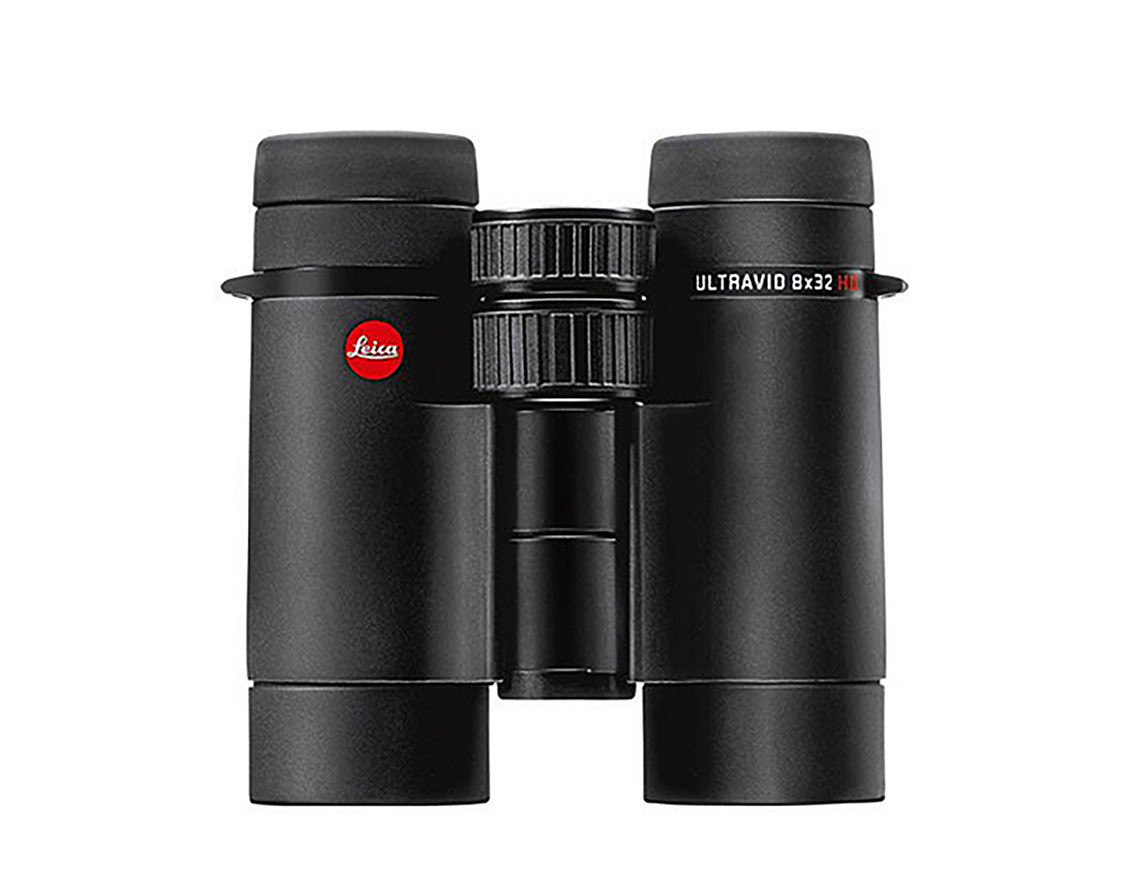
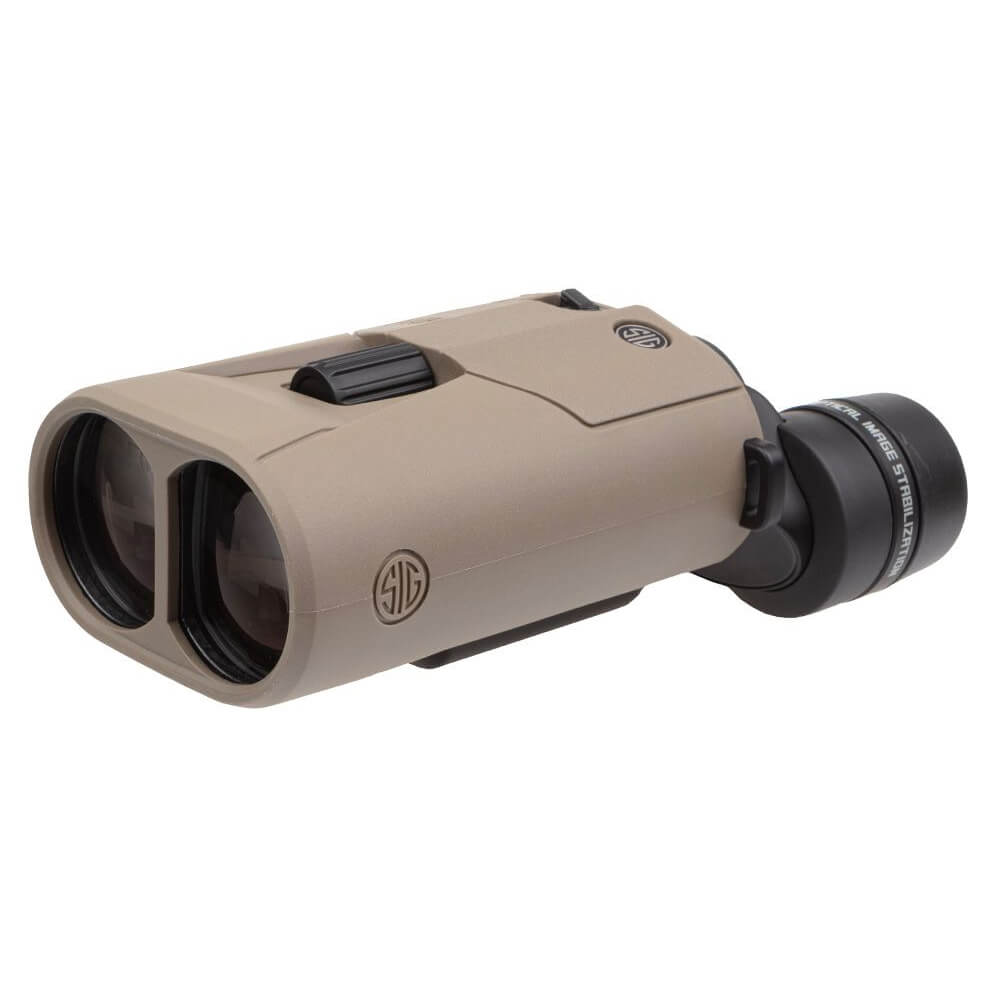
Quick take: The SIG Sauer Zulu6 HDX 10x30 gathers more light with a larger 30mm objective.
Field of view, to scale
Top-down view · drawn to true scale — no exaggeration
Which one to buy
Hand shake at 10x is the problem here, and the two answers could hardly differ more. The SIG Sauer Zulu6 HDX 10x30 stabilizes the image: owners describe hand tremor essentially vanishing, an adaptive system that stays loose while you pan and locks on when you stop, a toggle that stays on rather than a button you hold, and one-hand use that bowhunters single out. The Leica Ultravid 10x25 relies on glass and size instead, and its owners call it the best pocket binocular made, very bright for its size with almost no color fringing and sharpness to the edge. The price is the same $1,000, and so are the 273 ft field and the 15mm eye relief.
The Ultravid weighs 8.8 oz and folds into a jacket pocket; the SIG weighs 19.2 oz. That is the Leica's whole case, and its owners admit the cost: 10x in so little mass shakes visibly, the 2.5mm exit pupil makes eye placement fussy, and the dual hinge needs re-spreading every time. The SIG's 3.0mm exit pupil is a little more forgiving, and it focuses to 4 ft against 8.2.
The SIG's compromises are optical and electronic. Owners say its glass sits a notch below premium, with somewhat muted color, and its stabilizer can yo-yo briefly after an abrupt stop. It runs on a CR2 cell, can't be mounted on a tripod, and its eyecup caps fall off. Both are waterproof, and both dim early at dusk. SIG backs the optics with a lifetime guarantee, Leica with 10 years.
For treestands, timber hunting and long sessions where you want detail you would otherwise need a tripod for, the SIG is the more useful tool. For travel and a binocular that's always in your pocket, the Leica's size and image quality win, provided you can hold 10x steady.
Leica Ultravid 10x25
For travel and always-along carry, if your hands are steady at 10x: alpha-class optics in a body that slips into a jacket pocket.
SIG Sauer Zulu6 HDX 10x30
Best for treestand and timber hunters who want a steady 10x view one-handed, in any weather, without a tripod.
| Spec | Leica Ultravid 10x25 | SIG Sauer Zulu6 HDX 10x30 |
|---|---|---|
| Approx. price | ~$1,000 | ~$1,000 |
| Use case | General Purpose | General Purpose |
| Magnification | 10x | 10x |
| Objective | 25mm | 30mm |
| Exit pupil | 2.5mm | 3.0mm |
| Field of view | 273 ft @ 1000 yds | 273 ft @ 1000 yds |
| Eye relief | 15mm | 15mm |
| Close focus | 8.2 ft | 4 ft |
| Prism | Roof | Roof |
| Glass | HD | HD |
| Coating | Fully Multi-Coated | Fully Multi-Coated |
| Weight | 8.8 oz | 19.2 oz |
| Dimensions | 4.4 x 4.1 in | 5.9 x 4.7 in |
| Warranty | 10 Years | Lifetime |
Feature comparison
Leica Ultravid 10x25
- ✓ED Glass
- ✓Phase-Corrected
- ✗Dielectric Coating
- ✓Waterproof
- ✓Fogproof
- ✗Image Stabilized
- ✗Tripod Adaptable
- ✗Magnesium Body
- ✗Locking Diopter
SIG Sauer Zulu6 HDX 10x30
- ✗ED Glass
- ✗Phase-Corrected
- ✗Dielectric Coating
- ✓Waterproof
- ✓Fogproof
- ✓Image Stabilized
- ✗Tripod Adaptable
- ✗Magnesium Body
- ✗Locking Diopter
What birders say
Leica Ultravid 10x25
- ✓Forum regulars call it 'probably the best pocket binocular on the market' - genuine alpha-class optics that folds into a coat pocket
- ✓Very bright for a 25mm with next to no chromatic aberration and sharpness that holds to the edge - owners are consistently startled that a pocket glass resolves this well
- ✓At under 9 ounces it disappears in a jacket pocket, which owners say is the whole point: the binocular you actually have with you sees more birds than the alpha at home
- ✓Genuinely weather-sealed and nitrogen purged - rare in the pocket class, where most rivals are splash-resistant at best
- ✓10x reach in a pocket format is unique among true premium compacts - great for travel, safaris, stadium use, and scanning from a scenic overlook
- ✓Outperforms cheaper compacts like Nikon's in mixed and difficult lighting despite the size handicap
- ✓Leica build quality in miniature - machined metal chassis and a precise focus action that owners describe as jewel-like
- ✓Holds value well; owners describe it as the 'first alpha-class pocketable binocular' worth keeping for decades
- ✗The 2.5mm exit pupil makes eye placement genuinely fussy - owners report it takes practice to avoid blackouts, and it's unforgiving for beginners
- ✗10x magnification in a sub-9-ounce package is hard to hold steady - the lack of mass works against you, and even experienced users notice the shake
- ✗Owners who've had both frequently prefer the 8x20 Ultravid: same exit pupil, steadier view, even smaller package
- ✗That small exit pupil means it dims quickly at dusk - this is a daylight binocular, full stop
- ✗273 ft field of view is narrow, making it harder to find and follow birds than a full-size glass
- ✗The dual-hinge fold design must be unfolded and repositioned to your interpupillary distance every time you pull it out
- ✗Some owners have reported diopter problems on Leica's pocket models
- ✗Around $1,000 for a second/travel binocular is a hard swallow when the Swarovski CL Pocket 10x25 undercuts it
SIG Sauer Zulu6 HDX 10x30
- ✓Optical image stabilization that hunters describe as transformative — 'much steadier than hand-holding other binos,' with detail resolution approaching tripod-like at 10x
- ✓OmniScan motion-adaptive stabilization uses an accelerometer to apply more correction the slower you move — panning feels natural, then the image locks up when you settle on a subject
- ✓Genuinely one-hand usable, which bowhunters specifically praise — glass with one hand while the other holds the bow
- ✓Light and compact for a stabilized binocular: about 18.6 oz and 5.9 inches — testers who ran it against the bigger Zulu6 variants called the 10x30 'better in every way' for carry
- ✓Stabilization runs from a toggle switch that stays on — no holding a button down like the Canon IS series
- ✓15mm eye relief edges out its direct rival Canon 10x30 IS II (14.5mm) for eyeglass wearers
- ✓Waterproof HDX construction — a key advantage over the fair-weather Canon competition — with the line surviving reviewers' dust and downpour abuse
- ✗Narrow 273 ft field of view — significantly tighter than the Canon 10x30 IS II's 315 ft and most conventional 10x binoculars
- ✗Optical quality sits a clear notch below premium glass — reviewers of the line note somewhat muted colors and the 30mm objectives limit light gathering
- ✗Cannot be tripod-mounted — the stabilization system conflicts with a fixed platform and there's no provision for it
- ✗The motion-adaptive stabilization can 'yo-yo' briefly when you stop a pan abruptly, and leaving it on while lowering the binocular causes a swimming image
- ✗Runs on a CR2 battery — less common and pricier than the AA cells the Canon uses
- ✗The 3mm exit pupil fades at dawn and dusk, the prime windows for the deer hunters it's marketed to
- ✗Line-wide gripes: eyecup caps that fall off and lack tethers, and smooth rubber armor that gets slippery when wet
- ✗At around $900 it costs nearly double the Canon 10x30 IS II, its most obvious alternative
Leica Ultravid 10x25 vs SIG Sauer Zulu6 HDX 10x30: common questions
Is the SIG Sauer Zulu6 HDX 10x30 steadier than the Leica Ultravid 10x25?▾
Much steadier. SIG owners describe hand tremor essentially disappearing at 10x, while Ultravid owners admit their 8.8 oz binocular shakes visibly even for experienced users. The Leica trades steadiness for pocket size and better glass.
Does the Leica Ultravid 10x25 have better optics than the SIG Zulu6 HDX 10x30?▾
By owners' accounts, yes. Ultravid owners describe alpha-class sharpness to the edge and almost no color fringing, while SIG owners say its glass sits a notch below premium, with somewhat muted colors. Stabilization still lets the SIG show more detail handheld.
Can the SIG Zulu6 HDX 10x30 or the Leica Ultravid 10x25 go on a tripod?▾
Neither is a tripod binocular. SIG owners note the Zulu6 has no tripod provision and its stabilizer conflicts with a fixed mount, and the Ultravid has no tripod adapter either. Both are designed for handheld use.