Nikon
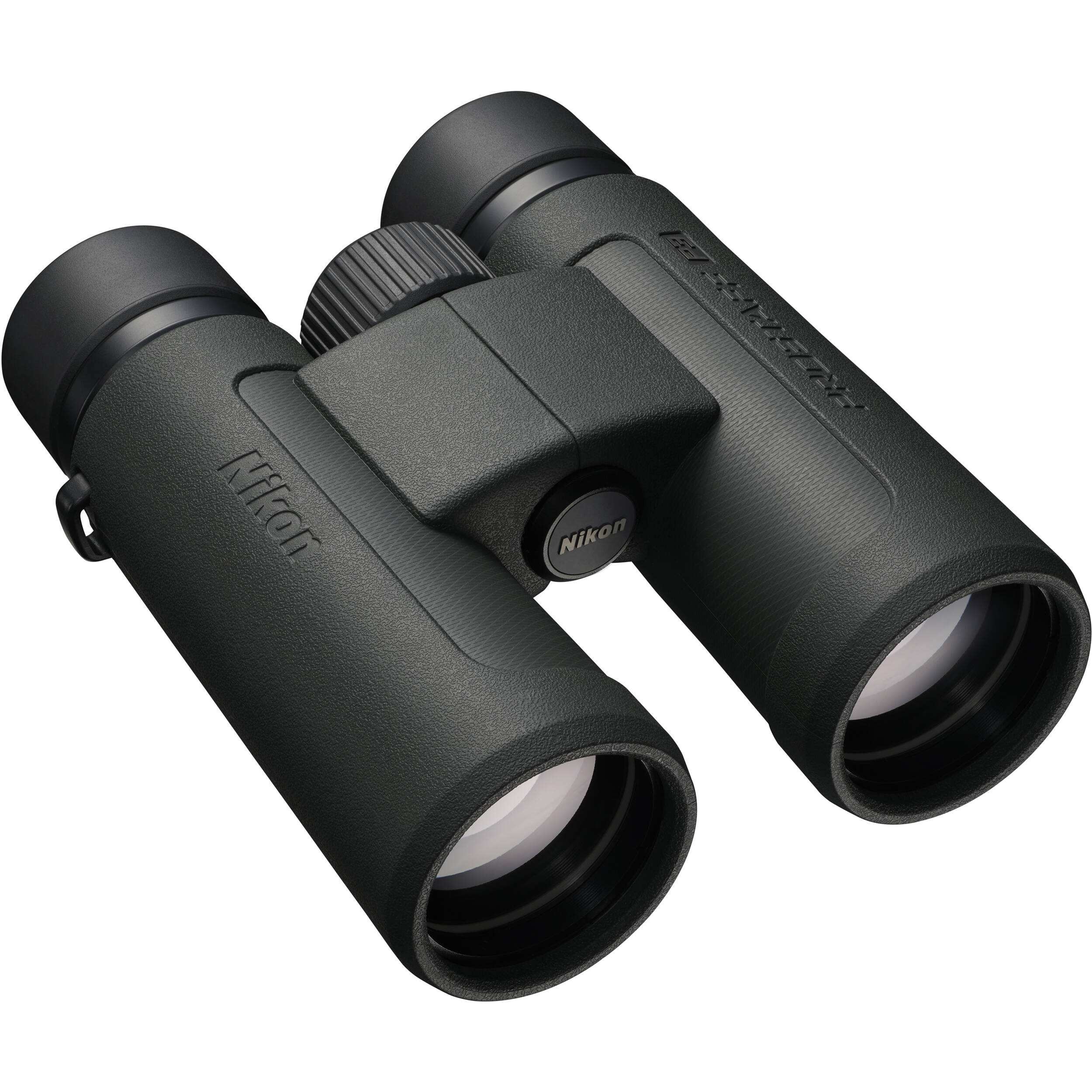
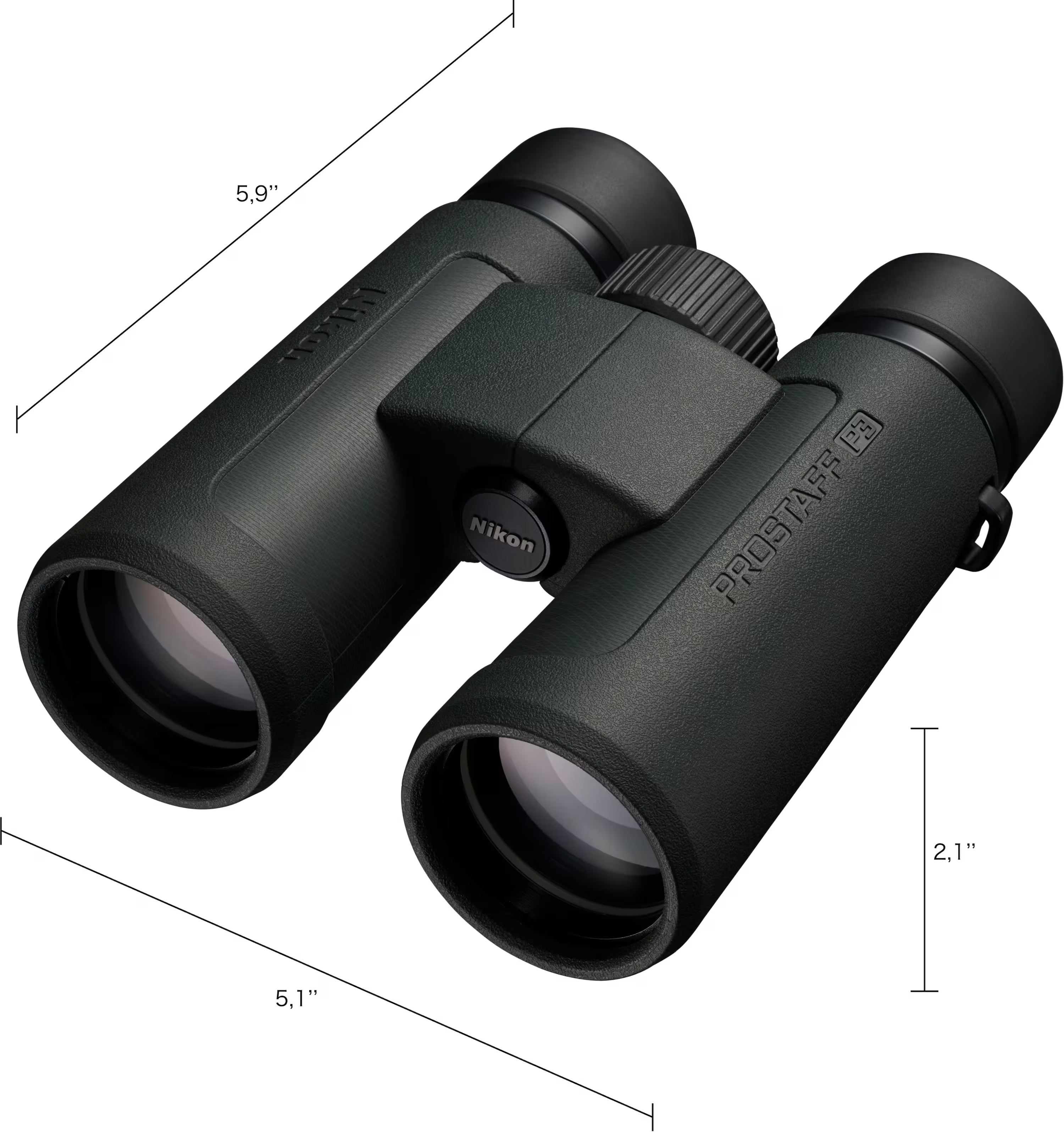
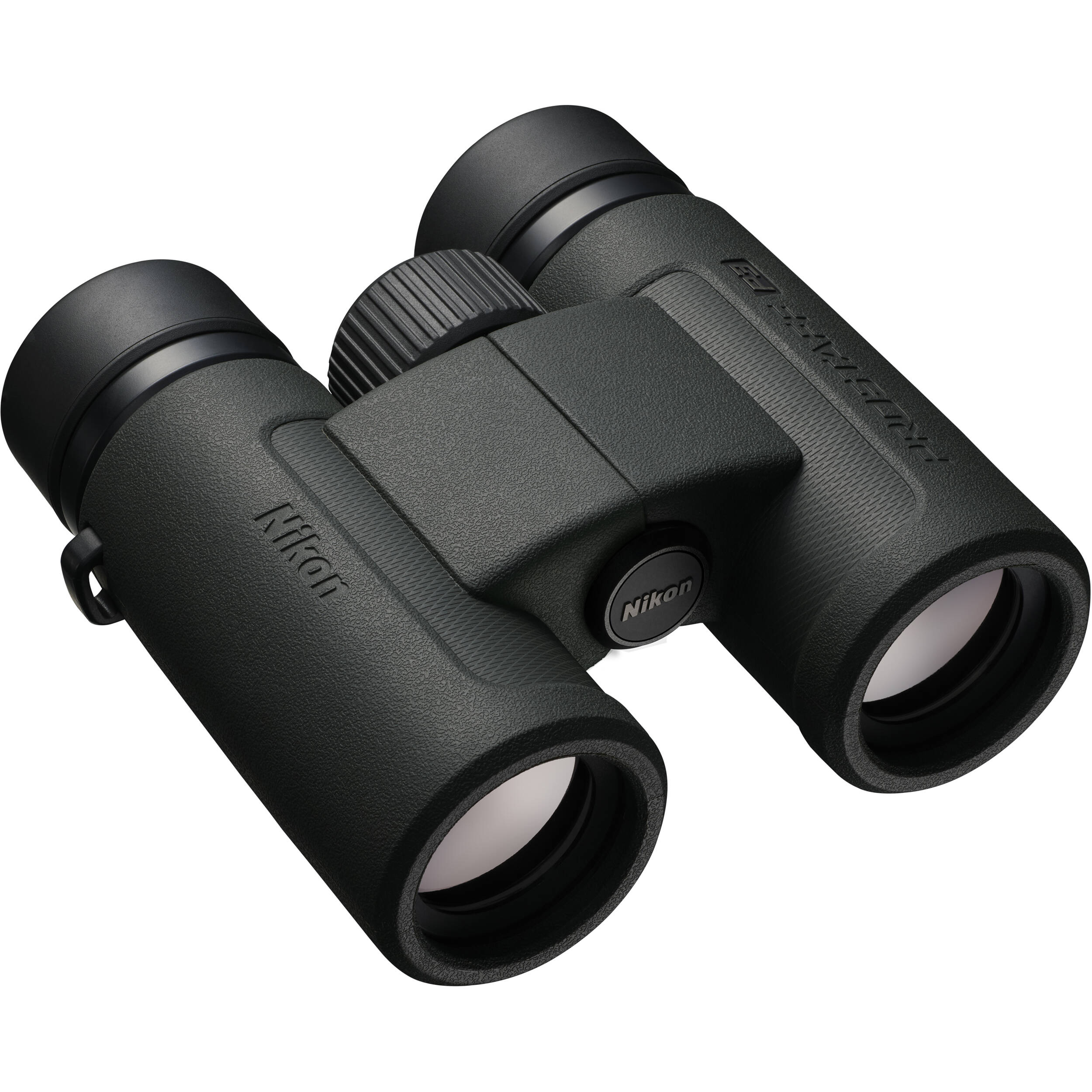
Nikon Prostaff P3 10x30
The Nikon Prostaff P3 10x30 is a budget-friendly 10x30 compact binocular designed for general outdoor use. It features quality optics with multi-coated lenses with fully multi-coated surfaces and a 288 ft @ 1000 yds field of view. Backed by Nikon's Limited Lifetime warranty.
We may earn a commission. Price and availability on Amazon may differ.
Specifications
What do these mean? →Field of view, to scale
Why FOV matters →Top-down view · drawn to true scale — no exaggeration
Wondering about the format itself? 10x30 vs 10x42 · 8x42 vs 10x30
Key Features
Owner Insights(25 discussions)
The Prostaff P3 10x30 is the sleeper of Nikon's budget line - a sub-$100, sub-pound compact that earned a best-overall nod in mainstream testing for its price-to-quality ratio. The vibe among owners is 'way better than it has any right to be': real Nikon coatings, real waterproofing, and real 10x reach in a package light enough that you actually bring it, which beats the fancier binocular left at home. It's the one people buy for travel, stadium seats, and casual wildlife watching without agonizing over the purchase.
Optically, the multilayer-coated view is clear and clean in good light, and the eye relief is unusually comfortable for a budget compact - testers called out that eyeglass wearers can use it happily, which is rare at this size and price. The physics of a 10x30 are the honest limitation: a 3mm exit pupil means the image goes dim in shade and dusk, and 10x magnification in a feather-light body amplifies every hand tremor. Reviewers also consistently ding the close-focus distance, so this isn't the tool for butterflies or feeder-watching from the kitchen window. Build-wise it's waterproof, fogproof, and drop-resistant - genuinely rugged, not just budget-rugged.
It's best for travelers, hikers, and casual users who want maximum reach per ounce and mostly view in decent daylight. At around $90 it undercuts nearly every serious compact - the step-up alternatives are the Monarch M7 8x30 (vastly better optics at five times the price) or a full-size Prostaff P3 8x42 for similar money if weight doesn't matter. Forum wisdom is that beginners who don't specifically need the packability should take the 8x42's brighter, steadier view - but as a second, always-in-the-bag binocular, this configuration is one of the easiest recommendations under $100.
Pros
- +Outstanding price-to-quality ratio - it topped a major 'best binoculars' roundup as the overall pick, with testers calling the value unmatched at around $90-100
- +Genuinely light and packable - at 15.2 ounces it was among the lightest models in comparative testing, disappearing into a daypack or hanging all day without neck strain
- +Real 10x reach in a compact body - unusual at this size and price, and the main reason people pick it over 8x25-class pocket binoculars
- +Nikon's multilayer coatings deliver clarity that reviewers describe as spectacular for the class - clearly better than typical gas-station compacts
- +Comfortable eye relief for a budget compact - testers specifically noted eyeglass wearers can use it comfortably with the eyecups down, an upgrade-tier feature at this price
- +Fully waterproof, fogproof, and drop-resistant - most sub-$100 compacts skip real sealing entirely
- +Versatile across use cases - owners use the same pair for birding, concerts, sports, and travel, and reviewers highlight it as a do-most-things binocular
- +Grippy rubber armor makes it secure in hand despite the small frame
Cons
- −The 3mm exit pupil is the fundamental trade-off - the image dims noticeably in forest shade, heavy overcast, and dusk, when a 42mm binocular is still working fine
- −Minimum focus distance is a recurring criticism in reviews - it limits usefulness for butterflies, insects, and close-range nature observation
- −10x magnification in a 15-ounce body is hard to hold steady - hand shake is more visible than beginners expect, and there's no tripod socket to fix it
- −No ED glass or phase-corrected prisms, so contrast and color fringing lag behind step-up compacts like the Monarch M7 8x30
- −Reviewers note advanced birders will quickly want more brightness and a bigger window than this configuration can offer
- −Small 30mm objectives punish imperfect eye placement - the view blacks out more easily than with a full-size binocular
- −Stiff focus action out of the box is a family trait of the P3 line, and it matters more when tracking birds at 10x
- −No tripod adaptability, unlike its full-size P3 siblings
Common Questions
Compare the Nikon Prostaff P3 10x30
Related binoculars