Fujinon
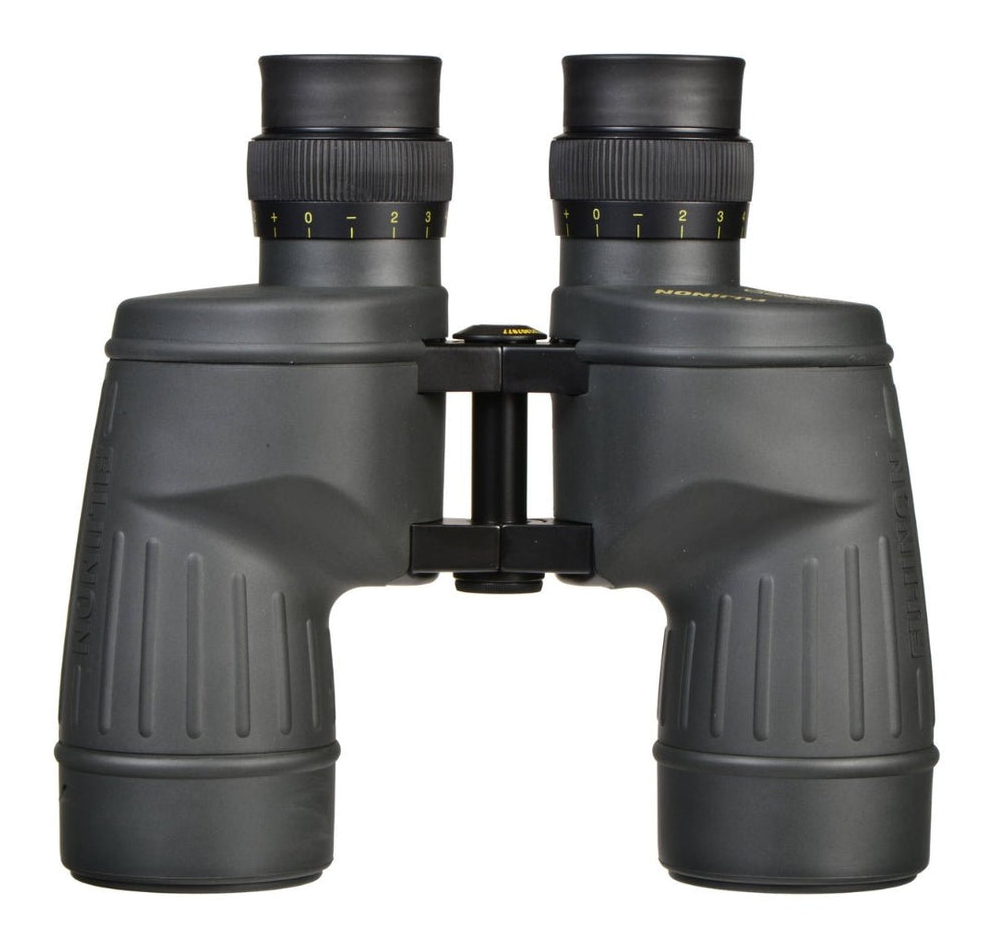
Fujinon Polaris 7x50 FMTR-SX
The Fujinon Polaris 7x50 FMTR-SX is the marine reference standard, with field-flattening eyepieces, up to 95% light transmission, and a 7.1mm exit pupil for low light. Individual-focus eyepieces stay set from mid-range to infinity on a rolling deck.
We may earn a commission. Price and availability on Amazon may differ.
Specifications
What do these mean? →Field of view, to scale
Why FOV matters →Top-down view · drawn to true scale — no exaggeration
Wondering about the format itself? 7x50 vs 10x42 · 7x50 vs 8x42
Key Features
Owner Insights
The Fujinon Polaris 7x50 FMTR-SX is the binocular other marine binoculars get measured against, and the lab numbers explain why: 97.9% measured light transmission — the kind of figure that beats $2,000 alpha glass — wrapped in genuine U.S. mil-spec construction that navies actually buy. Reviewers describe brightness that outruns modern premium 8x42s in daylight, and on astronomy forums the tone borders on reverent: owners post threads titled 'Wow!' about examples they bought in 1993 that are still going strong.
The optical formula is old-school porro done to the absolute limit. The image is sharp to about 93% of the field radius with imperceptible distortion, star colors render vividly, and the 7.1mm exit pupil feeds a dark-adapted eye everything a 50mm objective collects. The 23mm eye relief is class-leading and the roughly 10m-to-infinity depth of field means you essentially never refocus — which is exactly why it uses individual eyepiece focusing, and exactly why it's wrong for birding at varied distances. It's also a three-pound anchor with a 4-5m close focus, edge astigmatism the 'field flattener' name doesn't quite justify, and some flare near bright sources.
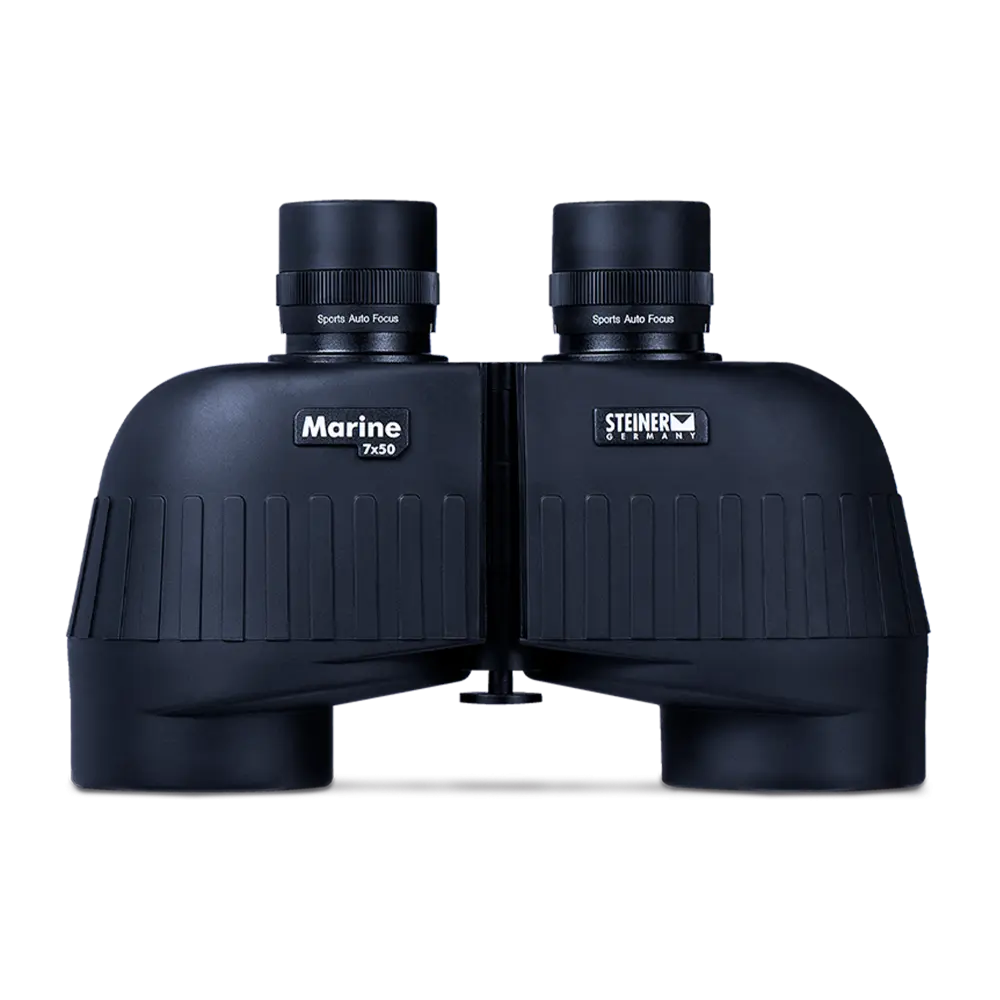
This is the buy for sailors, sea-kayak-support crews, search-and-rescue types, and binocular astronomers who want reference-grade brightness with total weather immunity. At around $650 it embarrasses much of the premium marine field — the compass-equipped FMTRC-SX sibling and Steiner's Commander series cost substantially more, while popular marine porros like the Steiner Marine 7x50 are far cheaper but nowhere near optically. Lab reviewers recommended it 'wholeheartedly' as one of the market's best values, with one honest caveat from the astronomy crowd: the full 7mm exit pupil is best exploited by younger eyes, and everyone's arms feel the weight eventually.
Pros
- +Astonishing measured light transmission — independent lab testing recorded 97.9%, and reviewers describe 'supreme daytime brightness' that outperforms even modern premium 8x42s
- +Sharp nearly edge to edge with imperceptible distortion — lab tests found blur onset only at 93% of field radius, exceptional for any binocular, let alone a porro at this price
- +True mil-spec build: heavy aluminum body, thick rubber armor, nitrogen purge, internal desiccant, fully waterproof — the reference marine binocular for professional captains and serious sailors
- +Huge 7.1mm exit pupil and 7x magnification make a bright, steady view from a rocking deck and use a fully dark-adapted eye for astronomy
- +23mm eye relief is among the most generous anywhere — eyeglass and sunglass wearers see the whole field
- +Massive depth of field (roughly 10m to infinity) means almost no refocusing — ideal on the water and for tracking birds
- +Legendary longevity: astronomy-forum owners report examples bought in the early 1990s still delighting them — one recent thread is literally titled 'Wow!'
- +Named a best high-end marine binocular by review sites and backed by a limited lifetime warranty; lab reviewers recommended it 'wholeheartedly' as one of the best values on the market
Cons
- −Heavy — roughly 1.4-1.6kg (over 3 lbs), tiring to handhold for long sessions and a serious neck-strap load
- −Individual eyepiece focusing: perfect for marine and astronomy use, but slow and awkward for terrestrial subjects at changing distances — this is not a birding binocular
- −Close focus is a distant 4.3-5m minimum — anything nearby is simply out of reach
- −Despite the 'field flattener' branding, testers found astigmatism in the outer 10% of the field and some edge distortion
- −Chromatic aberration is low centrally but rises to medium at the field edges
- −Stray light and flare can intrude when a bright source sits near the field edge
- −Lab testing noted slightly truncated exit pupils — a minor blemish on an otherwise superb optical system
- −Big and bulky to pack; the 7x50 porro format is the opposite of travel-friendly
Common Questions
Compare the Fujinon Polaris 7x50 FMTR-SX
Related binoculars
Fujinon
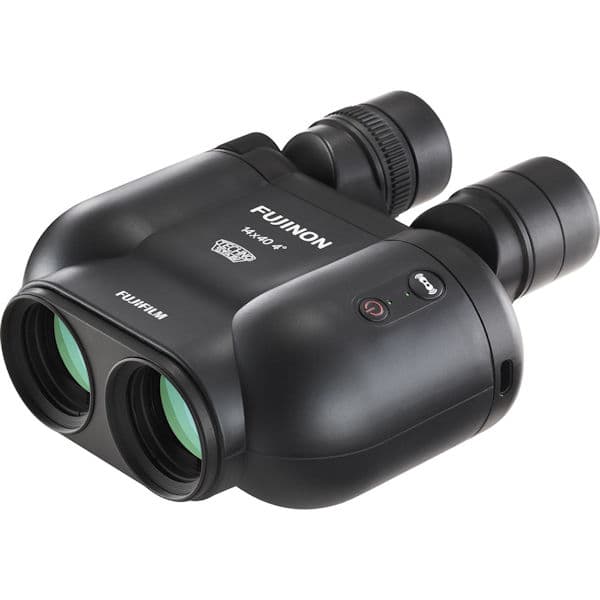
Fujinon Techno-Stabi TS-X 14x40
- Optic
- 14x×40
- FOV
- 210 ft
- Weight
- 47 oz
Athlon
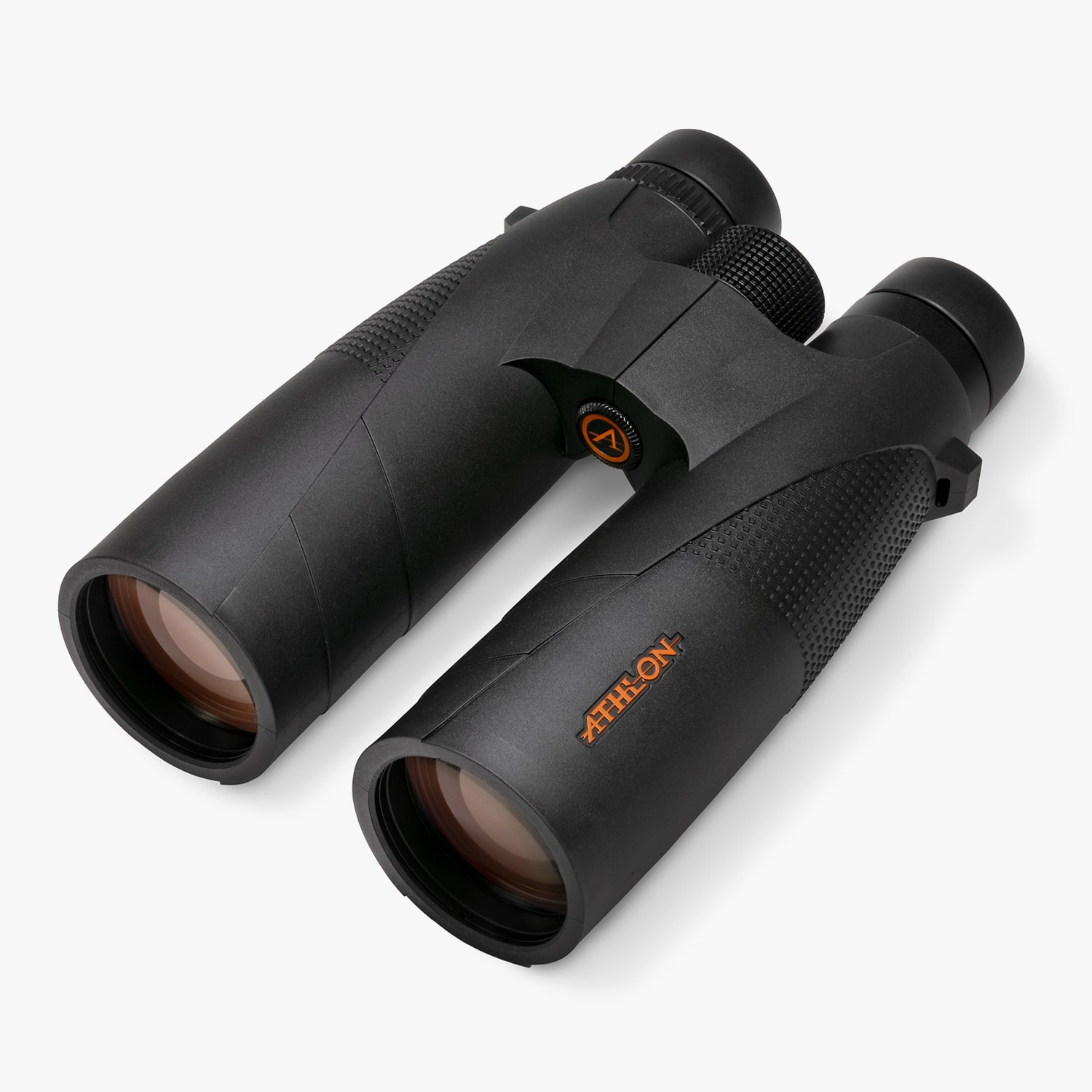
Athlon Cronus G2 UHD 15x56
- Optic
- 15x×56
- FOV
- 235 ft
- Weight
- 45.2 oz
GPO
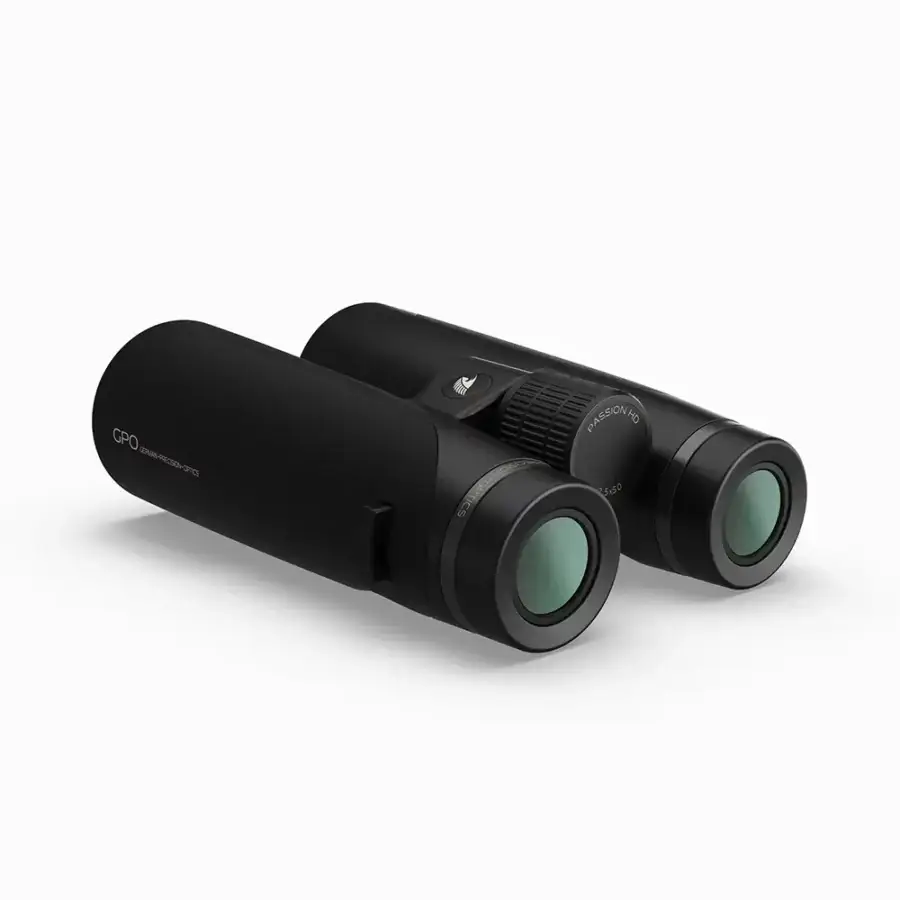
GPO Passion HD 10x42
- Optic
- 10x×42
- FOV
- 366 ft
- Weight
- 29.6 oz