Vortex Diamondback HD 10x42 vs Celestron TrailSeeker ED 8x42
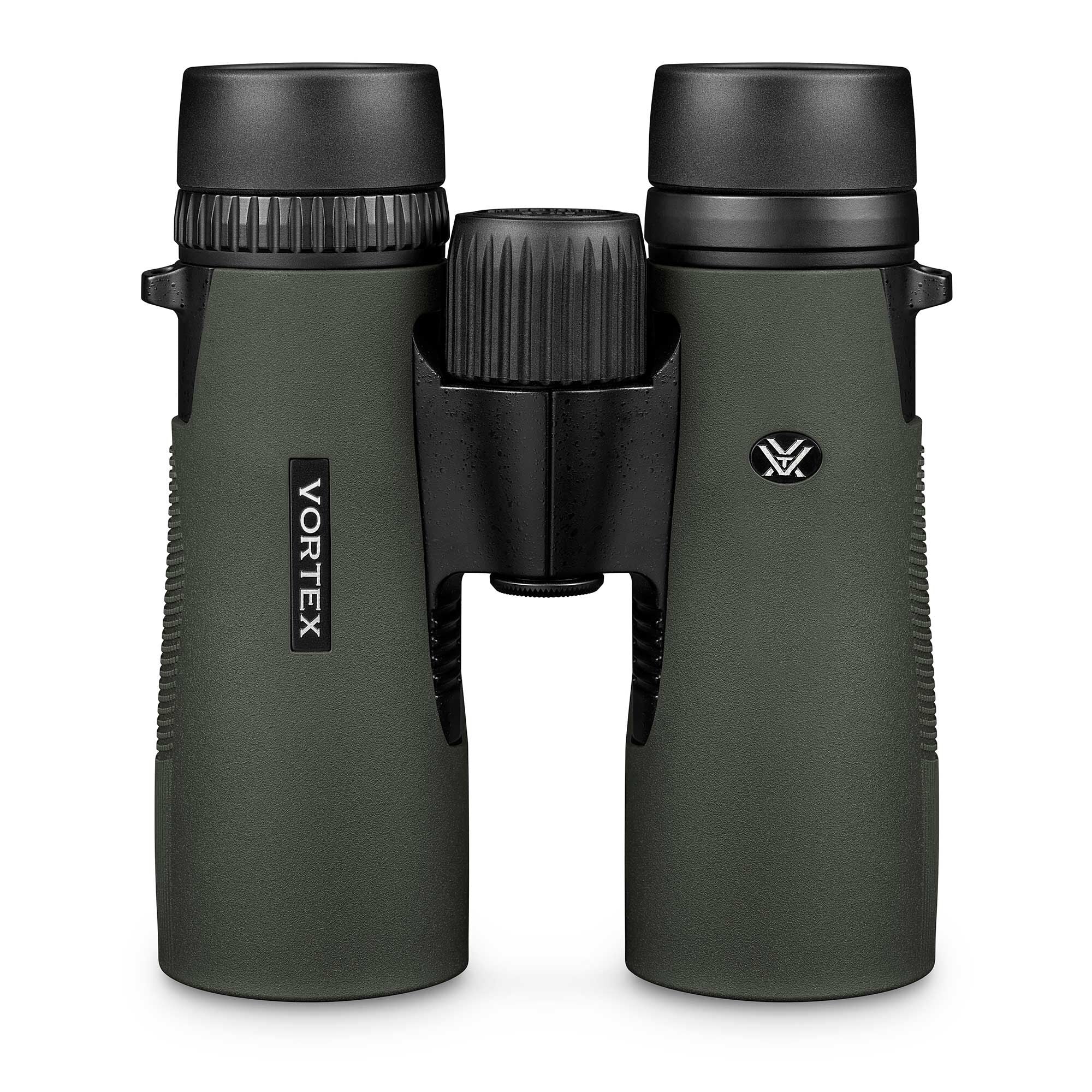
vs
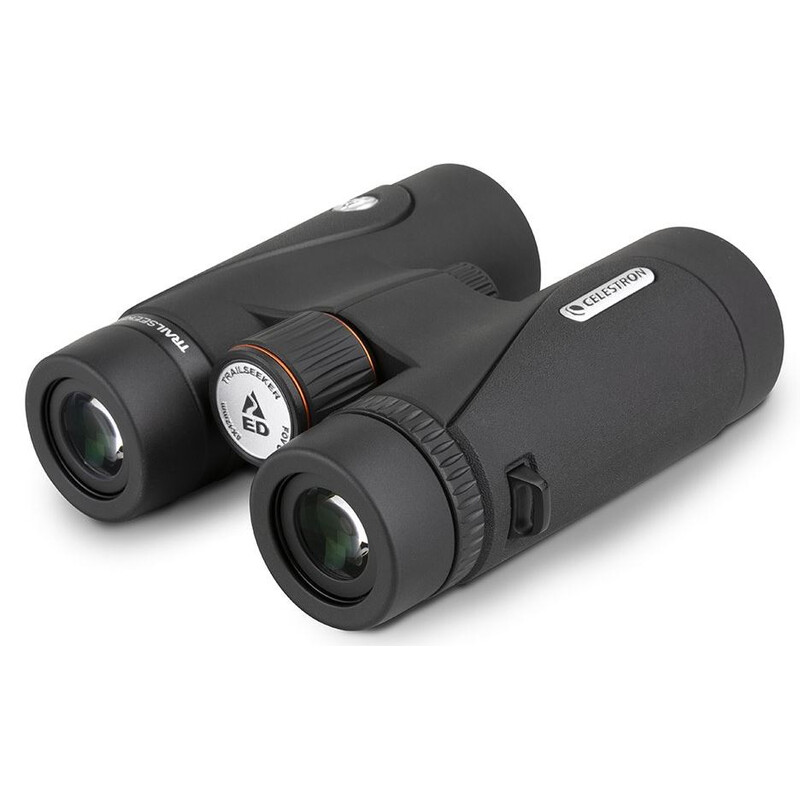
Quick take: The Vortex Diamondback HD 10x42 reaches farther (10x vs 8x); the Celestron TrailSeeker ED 8x42 has a wider field of view (426 vs 314 ft @ 1000 yds).
Field of view, to scale
you2505007501000 yds
Distance200 yds
Vortex Diamondback HD 10x426.0°
63 ft wide at 200 yds ≈ 1.6 school buses
Celestron TrailSeeker ED 8x428.1°
85 ft wide at 200 yds ≈ 2.1 school buses
Top-down view · drawn to true scale — no exaggeration
| Spec | Vortex Diamondback HD 10x42 | Celestron TrailSeeker ED 8x42 |
|---|---|---|
| Approx. price | ~$250 | ~$250 |
| Rating | — | — |
| Use case | Birding | Birding |
| Magnification | 10x | 8x |
| Objective | 42mm | 42mm |
| Exit pupil | 4.2mm | 5.25mm |
| Field of view | 314 ft @ 1000 yds | 426 ft @ 1000 yds |
| Eye relief | 15.5mm | 17.2mm |
| Close focus | 5.5 ft | 6.5 ft |
| Prism | Roof | Roof |
| Glass | HD | ED |
| Coating | Fully Multi-Coated | Fully Multi-Coated |
| Weight | 21.5 oz | 23.5 oz |
| Dimensions | 5.7 x 5.1 in | 5.5 x 4.9 in |
| Warranty | Lifetime (VIP) | Limited Lifetime |
Feature comparison
Vortex Diamondback HD 10x42
- ✗ED Glass
- ✓Phase-Corrected
- ✓Dielectric Coating
- ✓Waterproof
- ✓Fogproof
- ✗Image Stabilized
- ✓Tripod Adaptable
- ✗Magnesium Body
- ✗Locking Diopter
Celestron TrailSeeker ED 8x42
- ✓ED Glass
- ✓Phase-Corrected
- ✓Dielectric Coating
- ✓Waterproof
- ✓Fogproof
- ✗Image Stabilized
- ✓Tripod Adaptable
- ✓Magnesium Body
- ✗Locking Diopter
What birders say
Vortex Diamondback HD 10x42
- ✓The go-to budget recommendation for western hunters - owners report picking out antler points at 400 yards in good light
- ✓Best-in-class 330-foot field of view for a 10x42 at this price, taking some of the sting out of 10x tunnel vision
- ✓Sharp, contrasty center field that owners routinely describe as 90% of much pricier glass
- ✓Vortex VIP warranty - unlimited, no-receipt, transferable, covers accidents - is a genuine differentiator hunters bank on
- ✓Included GlassPak chest harness is field-ready and saves a $30-40 accessory purchase
- ✓Waterproof, argon-purged, and rugged - multi-season elk-hunt reports with zero durability complaints are common
- ✓Tripod-adaptable, and owners who mount it say steady 10x glassing reveals detail they missed handheld
- ✓Strong resale value and instant name recognition make it easy to sell when upgrading
- ✗10x magnification amplifies hand shake - owners coming from 8x notice the jitter immediately, especially after a climb
- ✗The 4.2mm exit pupil dims faster at dawn and dusk than the 8x42, exactly when hunters need it most
- ✗Edge softness in the outer portion of the field is more apparent at 10x than in the 8x version
- ✗Chromatic aberration shows green/purple fringing on high-contrast edges like ridgelines against sky
- ✗Eye relief drops to about 15mm - tighter for eyeglass wearers than the 8x42's 17mm
- ✗Shallow depth of field at 10x means constant refocusing when scanning between distances
- ✗Focus wheel tension is inconsistent unit to unit - some are silky, some gritty
- ✗Glare control is mediocre when glassing toward a low sun, washing out shadowed timber
Celestron TrailSeeker ED 8x42
- ✓Repeatedly called one of the best values in binoculars, period - owners say things like 'you'd have a hard time convincing me there's a better value out there' and that there's no point paying more for other brands at this level
- ✓Genuinely wide 426 ft field of view - one of the widest of any 8x42 at any price, which makes scanning tree canopies and tracking birds in flight noticeably easier than the ~330-380 ft typical of competitors
- ✓ED glass actually does its job here - color fringing is minimal and rated among the best in class by expert reviewers, a real step up over the non-ED TrailSeeker and the Nature DX
- ✓Brightness that punches way above its price - in low-light testing it beat the mid-range benchmark and hung close to alpha-level glass, unusual for a sub-$300 binocular
- ✓Magnesium alloy chassis and metal eyepiece housings at a price point where most competitors (Vortex Diamondback, Nikon Monarch 5) use polycarbonate
- ✓Metal focus wheel with smooth, quick action that owners describe as 'buttery' - images snap into focus rather than requiring hunting
- ✓6.5 ft close focus is excellent for an 8x42, good enough for butterflies and dragonflies at your feet
- ✓17.2mm eye relief with twist-up eyecups lets eyeglass wearers see the full wide field - a common sticking point with budget binoculars that this one gets right
- ✗Low light is where it finally shows its price - reviewers note it starts to struggle at early dawn and late dusk, so dedicated crepuscular birders may want to spend up
- ✗The diopter ring has no locking mechanism and only a modest ±3 adjustment range, so it can get knocked out of position in a bag
- ✗Slightly heavier in the hand than some owners expected given the compact size - the magnesium build is dense at 23.5 oz
- ✗The included carry case took a step down from older Celestron cases - functional but cheap-feeling, and the accessories overall are unremarkable
- ✗Edge softness is present at the extreme edges of that huge field of view - the sweet spot is generous but it's not flat-field glass like a Nikon Monarch HG
- ✗Some forum members rank its field of view and close focus behind certain similarly-priced rivals depending on sample, so trying before buying is worth it
- ✗Celestron's 'Limited Lifetime' warranty is not the no-fault, no-receipt VIP-style coverage Vortex offers on the Diamondback - damage from accidents isn't covered
- ✗Brand snobbery is real - some birders on forums admit they'd rather carry a Nikon or Vortex badge, and resale value reflects that even when the optics compete