Nikon Prostaff P3 10x30 vs Nikon Aculon A211 8x42
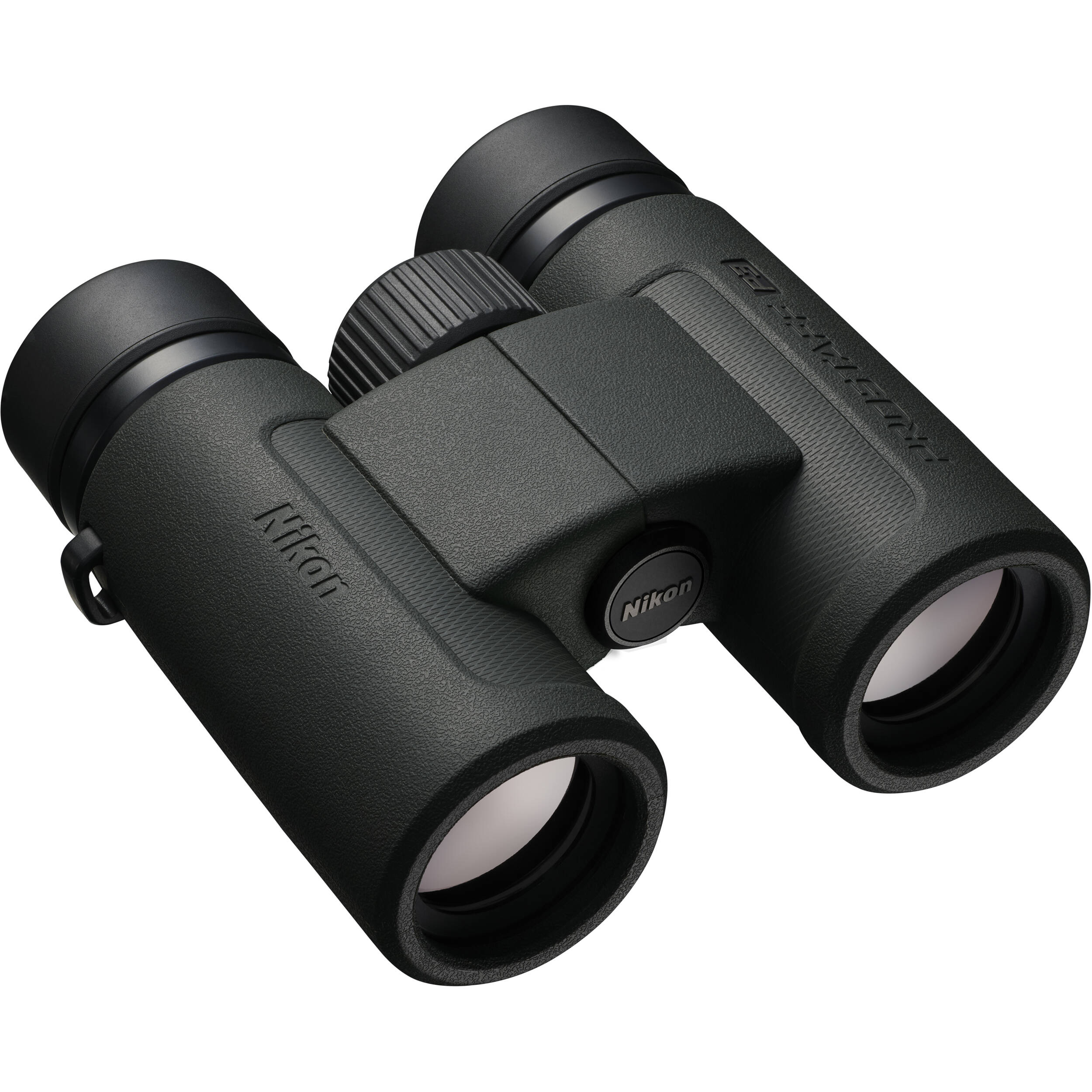
vs
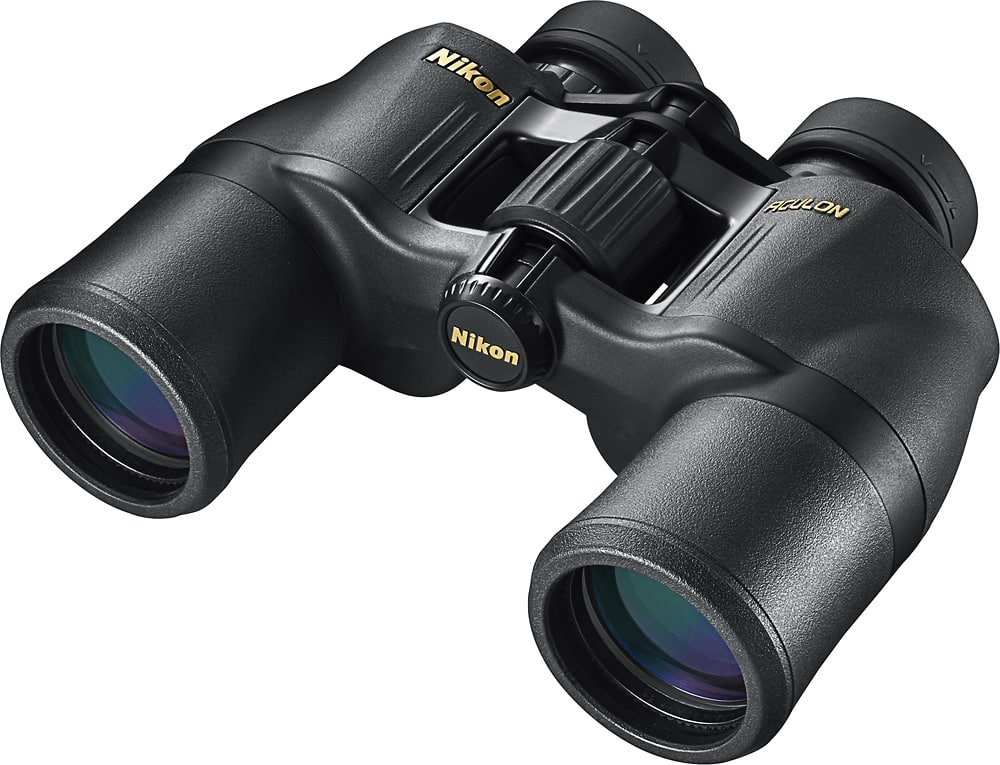
Quick take: The Nikon Prostaff P3 10x30 costs $10 less; the Nikon Prostaff P3 10x30 reaches farther (10x vs 8x); the Nikon Aculon A211 8x42 has a wider field of view (420 vs 288 ft @ 1000 yds).
Field of view, to scale
you2505007501000 yds
Distance200 yds
Nikon Prostaff P3 10x305.5°
58 ft wide at 200 yds
Nikon Aculon A211 8x428.0°
84 ft wide at 200 yds ≈ 2.1 school buses
Top-down view · drawn to true scale — no exaggeration
| Spec | Nikon Prostaff P3 10x30 | Nikon Aculon A211 8x42 |
|---|---|---|
| Approx. price | ~$90 | ~$100 |
| Rating | — | — |
| Use case | General Purpose | General Purpose |
| Magnification | 10x | 8x |
| Objective | 30mm | 42mm |
| Exit pupil | 3.0mm | 5.3mm |
| Field of view | 288 ft @ 1000 yds | 420 ft @ 1000 yds |
| Eye relief | 15.4mm | 12mm |
| Close focus | 10 ft | 16.4 ft |
| Prism | Roof | Porro |
| Glass | Standard | Eco-Glass |
| Coating | Fully Multi-Coated | Multi-Coated |
| Weight | 15.2 oz | 26.6 oz |
| Dimensions | 4.8 x 4.5 in | 5.7 x 7.3 in |
| Warranty | Limited Lifetime | Limited Lifetime |
Feature comparison
Nikon Prostaff P3 10x30
- ✗ED Glass
- ✗Phase-Corrected
- ✗Dielectric Coating
- ✓Waterproof
- ✓Fogproof
- ✗Image Stabilized
- ✗Tripod Adaptable
- ✗Magnesium Body
- ✗Locking Diopter
Nikon Aculon A211 8x42
- ✗ED Glass
- ✗Phase-Corrected
- ✗Dielectric Coating
- ✗Waterproof
- ✗Fogproof
- ✗Image Stabilized
- ✓Tripod Adaptable
- ✗Magnesium Body
- ✗Locking Diopter
What birders say
Nikon Prostaff P3 10x30
- ✓Outstanding price-to-quality ratio - it topped a major 'best binoculars' roundup as the overall pick, with testers calling the value unmatched at around $90-100
- ✓Genuinely light and packable - at 15.2 ounces it was among the lightest models in comparative testing, disappearing into a daypack or hanging all day without neck strain
- ✓Real 10x reach in a compact body - unusual at this size and price, and the main reason people pick it over 8x25-class pocket binoculars
- ✓Nikon's multilayer coatings deliver clarity that reviewers describe as spectacular for the class - clearly better than typical gas-station compacts
- ✓Comfortable eye relief for a budget compact - testers specifically noted eyeglass wearers can use it comfortably with the eyecups down, an upgrade-tier feature at this price
- ✓Fully waterproof, fogproof, and drop-resistant - most sub-$100 compacts skip real sealing entirely
- ✓Versatile across use cases - owners use the same pair for birding, concerts, sports, and travel, and reviewers highlight it as a do-most-things binocular
- ✓Grippy rubber armor makes it secure in hand despite the small frame
- ✗The 3mm exit pupil is the fundamental trade-off - the image dims noticeably in forest shade, heavy overcast, and dusk, when a 42mm binocular is still working fine
- ✗Minimum focus distance is a recurring criticism in reviews - it limits usefulness for butterflies, insects, and close-range nature observation
- ✗10x magnification in a 15-ounce body is hard to hold steady - hand shake is more visible than beginners expect, and there's no tripod socket to fix it
- ✗No ED glass or phase-corrected prisms, so contrast and color fringing lag behind step-up compacts like the Monarch M7 8x30
- ✗Reviewers note advanced birders will quickly want more brightness and a bigger window than this configuration can offer
- ✗Small 30mm objectives punish imperfect eye placement - the view blacks out more easily than with a full-size binocular
- ✗Stiff focus action out of the box is a family trait of the P3 line, and it matters more when tracking birds at 10x
- ✗No tripod adaptability, unlike its full-size P3 siblings
Nikon Aculon A211 8x42
- ✓Porro prism design delivers a bright, punchy image with a pleasing 3D depth effect that roof prisms at this price can't match
- ✓Genuinely wide 8-degree field of view makes it easy to find and track birds in flight - beginners lose targets far less often
- ✓Aspherical eyepiece lenses keep the center of the image sharper than most sub-$100 glass, and owners consistently praise center clarity
- ✓Excellent low-light gatherer for the money - dusk deer watching and dawn birding hold up better than similarly priced roof prisms
- ✓Smooth, well-damped central focus wheel that owners say stays consistent even after years of use
- ✓Rubber-armored body shrugs off knocks - long-time users report theirs surviving a decade of truck-cab and boat duty
- ✓Turn-and-slide eyecups are simple but reliable, with none of the loose-eyecup complaints common on cheap roofs
- ✓Nikon's warranty and long production run mean parts, reviews, and used units are everywhere - a safe, known quantity
- ✗Not waterproof or fogproof - the single most repeated warning from owners; rain, humidity swings, and internal fogging are real risks
- ✗Short eye relief (about 12mm) means eyeglass wearers lose a big chunk of the field of view - the top complaint from bespectacled birders
- ✗Noticeable edge softness; roughly the outer third of the image goes blurry, which bothers anyone who pans across landscapes
- ✗At around 27 oz it's heavier and bulkier than modern roof-prism competitors like the Celestron Nature DX
- ✗Chromatic aberration (purple fringing) shows on high-contrast subjects like birds against bright sky
- ✗The classic wide porro body doesn't fit small hands well and won't ride comfortably in a jacket pocket
- ✗Flimsy slip-on lens caps and a thin neck strap - accessories feel like an afterthought
- ✗No tripod adapter compatibility issues aside, glare control is mediocre when the sun is anywhere near the frame