Swarovski NL Pure 12x42 vs Leica Noctivid 8x42
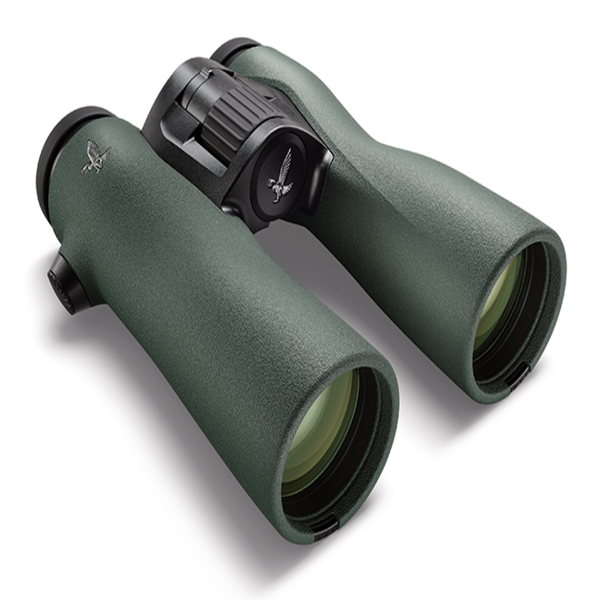
vs
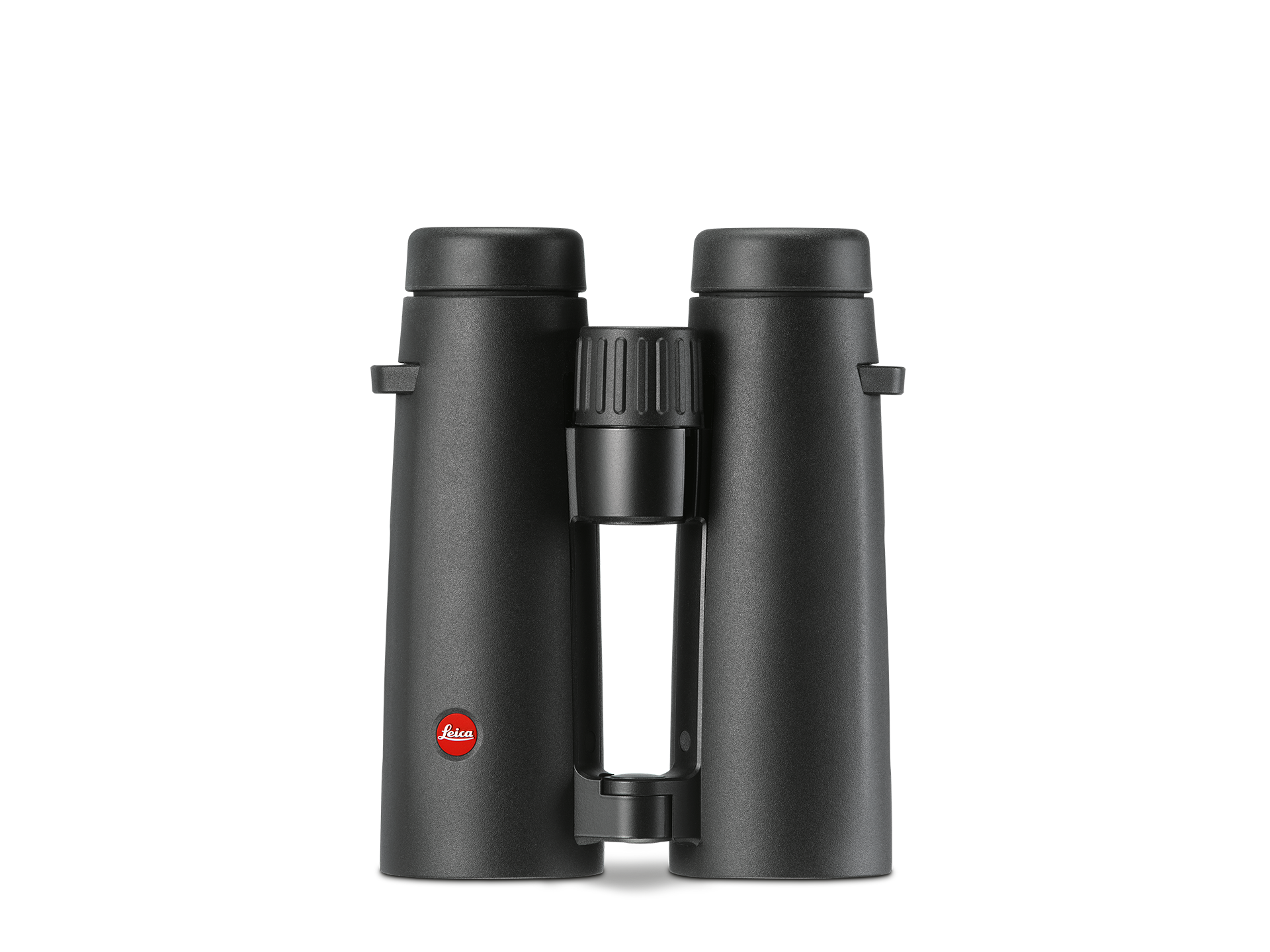
Quick take: The Leica Noctivid 8x42 costs $300 less; the Swarovski NL Pure 12x42 reaches farther (12x vs 8x); the Leica Noctivid 8x42 has a wider field of view (404 vs 315 ft @ 1000 yds).
Field of view, to scale
you2505007501000 yds
Distance200 yds
Swarovski NL Pure 12x426.0°
63 ft wide at 200 yds ≈ 1.6 school buses
Leica Noctivid 8x427.7°
81 ft wide at 200 yds ≈ 2.0 school buses
Top-down view · drawn to true scale — no exaggeration
| Spec | Swarovski NL Pure 12x42 | Leica Noctivid 8x42 |
|---|---|---|
| Approx. price | ~$3,500 | ~$3,200 |
| Rating | — | — |
| Use case | Birding | Birding |
| Magnification | 12x | 8x |
| Objective | 42mm | 42mm |
| Exit pupil | 3.5mm | 5.25mm |
| Field of view | 315 ft @ 1000 yds | 404 ft @ 1000 yds |
| Eye relief | 16mm | 19mm |
| Close focus | 9.8 ft | 6.2 ft |
| Prism | Roof | Roof |
| Glass | FL | FL |
| Coating | Fully Multi-Coated | Fully Multi-Coated |
| Weight | 28.6 oz | 30.3 oz |
| Dimensions | 5.7 x 4.9 in | 5.9 x 4.9 in |
| Warranty | Lifetime | 10 Years |
Feature comparison
Swarovski NL Pure 12x42
- ✓ED Glass
- ✓Phase-Corrected
- ✓Dielectric Coating
- ✓Waterproof
- ✓Fogproof
- ✗Image Stabilized
- ✓Tripod Adaptable
- ✓Magnesium Body
- ✓Locking Diopter
Leica Noctivid 8x42
- ✓ED Glass
- ✓Phase-Corrected
- ✓Dielectric Coating
- ✓Waterproof
- ✓Fogproof
- ✗Image Stabilized
- ✓Tripod Adaptable
- ✓Magnesium Body
- ✓Locking Diopter
What birders say
Swarovski NL Pure 12x42
- ✓Rokslide's in-depth review crowned it the finest 12x hunting binocular made - reviewers say Swarovski bested themselves on both optics and ergonomics
- ✓315 ft field of view is enormous for 12x - wider than many 10x42s - so you get big-magnification reach without the soda-straw feeling
- ✓Western hunters report it's better in almost every respect than the old EL 12x50 it effectively replaced, in a smaller, lighter package
- ✓Genuinely usable handheld, especially with the forehead rest - reviewers found it steadier than any previous 12x they'd freehanded
- ✓12x reach changes behavior: owners say they find themselves picking apart distant hillsides and glassing birds they'd never have bothered with at 8x
- ✓Eyecup comfort and effective eye relief get specific praise from glasses wearers - several report seeing the full image with specs on at all times
- ✓The precise diopter and easy 'perfect focus' snap are called out repeatedly - fine detail at 12x rewards the exacting focus mechanism
- ✓Doubles beautifully as a light astronomy binocular - owners call the 12x view of the night sky 'simply marvelous' on a tripod
- ✗Hand shake is the honest tax on 12x - some owners get fatigued or even mildly headachy freehanding it, and stargazing handheld requires lying down or support
- ✗The 3.5mm exit pupil gives up real low-light performance to the 10x42 and to 50mm-class glass - it dims earlier at dusk when game moves
- ✗The forehead rest goes from 'nice accessory' to 'practically required' at 12x, and it costs extra
- ✗Glare complaints on the forums cluster around the high-magnification NL models, this one included
- ✗9.8 ft close focus is the worst in the NL 42mm line - butterfly and feeder-watching duty is better served by its siblings
- ✗The small exit pupil narrows the eye-placement sweet spot, so eyecup setup is fussier than the 8x or 10x
- ✗At $3,500 it costs more than the 10x42 while being a more specialized, less forgiving tool
- ✗Poor choice as an only binocular - forum consensus is it complements an 8x rather than replacing one for woodland or fast, close birding
Leica Noctivid 8x42
- ✓The famous 'Leica look' - deep contrast, saturated-yet-natural color, and a three-dimensional rendering that owners describe as the most beautiful image in birding, full stop
- ✓Outstanding flare and glare suppression - multiple side-by-side testers call it the best they've tried when pointing near the sun, beating the NL Pure's weak spot
- ✓Extreme central sharpness from SCHOTT HT glass with plasma-deposited coatings - fine feather detail renders with an etched quality
- ✓Huge depth of field for an 8x42 - less focus-chasing as birds move through brush, a practical advantage owners rave about
- ✓Compact, stubby chassis that's shorter than the SF and NL and feels dense and indestructible - classic Leica build quality
- ✓Class-leading close focus around 6.2 ft with excellent near-field image quality
- ✓The apparent field feels bigger than the 7.7-degree spec suggests thanks to excellent eyepiece design - 'the spec sheet undersells it' is a recurring comment
- ✓Strong resale value and Leica's solid (if slower than Swarovski's) service network - these hold their price on the used market
- ✗Narrowest true field of the alpha trio - 7.7 degrees vs the SF's 8.8 and NL's 9.1, and scanners who try all three usually cite this as the reason they passed
- ✗The color rendering leans subtly warm/yellow-green - most find it gorgeous and lifelike, but side-by-side testers note blacks can look slightly brownish vs a Nikon EDG or Zeiss
- ✗Heaviest of the alphas at about 30 oz despite the short body - the density surprises people expecting a compact to be light
- ✗No field flattener - edges soften gently in the outer 20%, which flat-field converts from the NL Pure notice immediately
- ✗Focus wheel is slower-geared and firmer than the SF/NL - deliberate and precise, but warbler-chasers who want speed find it leisurely
- ✗Eyecup and diopter quality-control complaints appear in a long-running owners' thread - loose eyecups and drifting diopters on some units, fixed under warranty but annoying at this price
- ✗At $2,700-3,000 it's within sight of the NL Pure, and buyers wanting maximum specs-per-dollar often struggle to justify the narrower field
- ✗Red-dot branding and understated spec sheet make it a heart-over-head purchase - even fans admit you buy it for the rendering, not the numbers