Nikon Monarch M7 8x42 vs Nikon Monarch M7 8x30
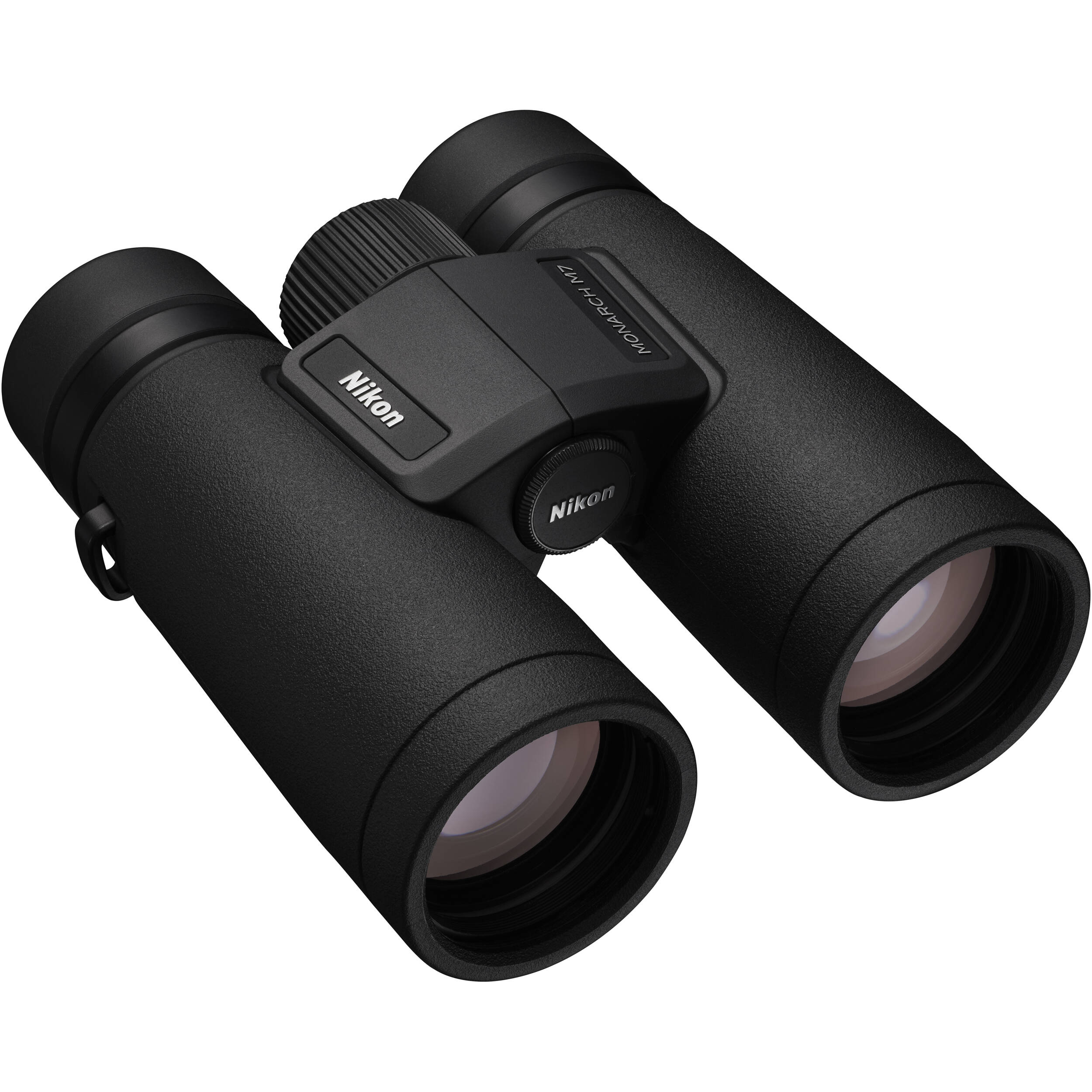
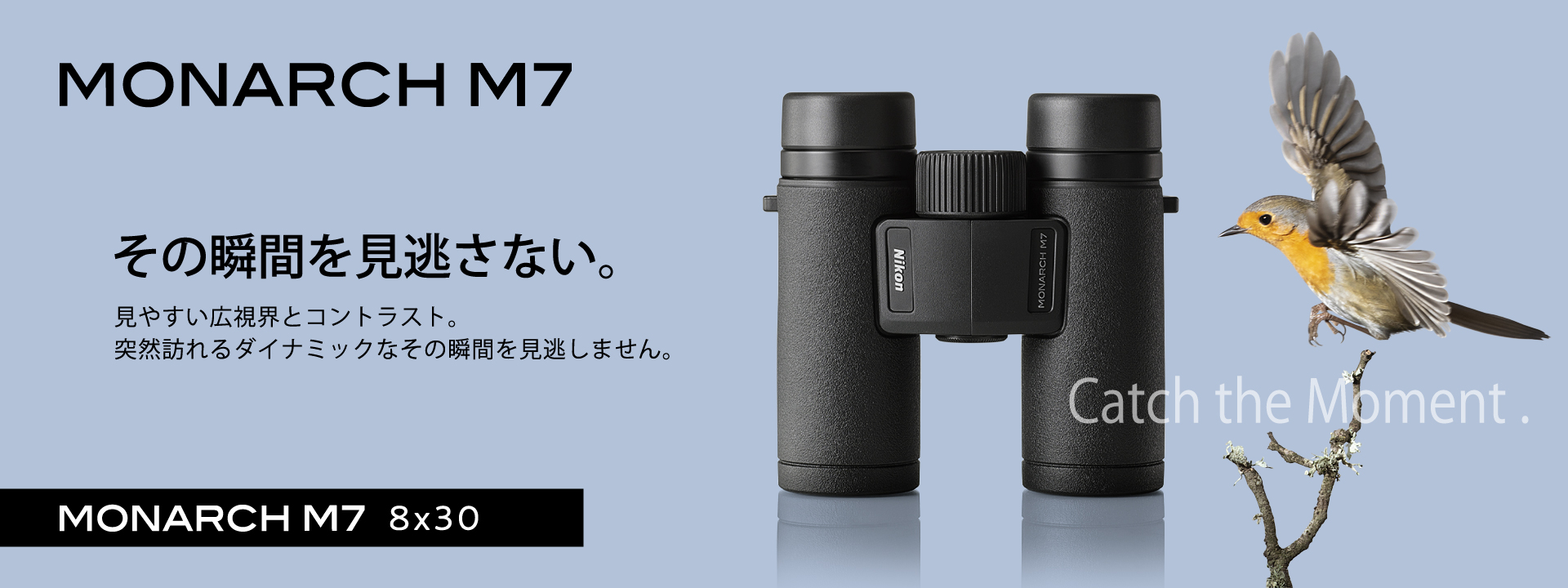
Quick take: The Nikon Monarch M7 8x30 costs $10 less; the Nikon Monarch M7 8x42 gathers more light with a larger 42mm objective.
Field of view, to scale
Top-down view · drawn to true scale — no exaggeration
Which one to buy
A 435 ft field on both, ED glass on both, a locking diopter and waterproofing on both, and $10 between them. What separates the Nikon Monarch M7 8x42 from the Nikon Monarch M7 8x30 is light, comfort and weight, and owners of each are clear about where their binocular wins.
The 8x42's 5.25mm exit pupil against the 8x30's 3.75mm is the big one. Owners of the 8x30 say it gives up real low-light performance at dawn and dusk, and that its smaller exit pupil makes it very sensitive to eye placement, with blackouts or a glare crescent at the bottom of the view if your eyes are off-center. The 8x42 is more forgiving, and its 17.1mm of eye relief suits glasses better than the 8x30's 15.1mm, which owners call marginal. 8x42 owners still mention veiling glare into bright light and faint edge fringing, but describe it as a binocular you can just put to your eyes.
The 8x30's case is carry. At 16.4 oz against 23.6 oz, owners call it truly pocketable in a jacket, and it focuses closer, at 6.6 ft against 8.2 ft, which helps with butterflies and dragonflies. Owners say its daytime brightness holds up surprisingly well against 8x42s. Larger hands may find it cramped, and its case and strap feel budget-grade.
For a main binocular, dawn and dusk birding, beginners or glasses, take the 8x42. The 8x30 is for travelers and all-day walkers who watch mostly in daylight and don't wear glasses.
Nikon Monarch M7 8x42
For a primary binocular, low light, beginners and glasses wearers, the more forgiving 8x42 is the one to buy.
Nikon Monarch M7 8x30
Worth it for travel and all-day carry in daylight, if you don't wear glasses and can master precise eye placement.
| Spec | Nikon Monarch M7 8x42 | Nikon Monarch M7 8x30 |
|---|---|---|
| Approx. price | ~$540 | ~$530 |
| Use case | Birding | Birding |
| Magnification | 8x | 8x |
| Objective | 42mm | 30mm |
| Exit pupil | 5.25mm | 3.75mm |
| Field of view | 435 ft @ 1000 yds | 435 ft @ 1000 yds |
| Eye relief | 17.1mm | 15.1mm |
| Close focus | 8.2 ft | 6.6 ft |
| Prism | Roof | Roof |
| Glass | ED | ED |
| Coating | Fully Multi-Coated | Fully Multi-Coated |
| Weight | 23.6 oz | 16.4 oz |
| Dimensions | 5.5 x 5.0 in | 4.8 x 4.4 in |
| Warranty | Limited Lifetime | Limited Lifetime |
Feature comparison
Nikon Monarch M7 8x42
- ✓ED Glass
- ✓Phase-Corrected
- ✓Dielectric Coating
- ✓Waterproof
- ✓Fogproof
- ✗Image Stabilized
- ✓Tripod Adaptable
- ✗Magnesium Body
- ✓Locking Diopter
Nikon Monarch M7 8x30
- ✓ED Glass
- ✓Phase-Corrected
- ✓Dielectric Coating
- ✓Waterproof
- ✓Fogproof
- ✗Image Stabilized
- ✗Tripod Adaptable
- ✗Magnesium Body
- ✓Locking Diopter
What birders say
Nikon Monarch M7 8x42
- ✓The field of view is the headline - a huge 435 ft window at 1000 yards that reviewers describe as immersive and that makes finding and tracking birds dramatically easier than with the Monarch M5 or Vortex Viper HD
- ✓ED glass keeps chromatic aberration impressively controlled - testers hunting for fringing found only a faint trace at the extreme field edge that's hard to notice even when looking for it
- ✓Brightness that surprises reviewers - testers of the M7 family found it consistently impressive in dim light, competitive with or better than similarly sized rivals
- ✓Sharp across a wide sweet spot, with forum users who compared it to the Vortex Viper HD preferring the Nikon's edge sharpness and greater depth of field
- ✓Compact for a flagship-tier 8x42 at 23.6 ounces, making all-day birding carry easy
- ✓8.2 ft close focus handles feeder birds, though dedicated butterfly glasses focus closer
- ✓Locking diopter, oil- and water-repellent lens coatings, and full waterproof/fogproof sealing round out a genuinely field-ready package
- ✓Widely cited on forums as the best-value step below alpha glass - repeatedly described as doing 90 percent of what $2,000 binoculars do at a quarter of the price
- ✗Glare is the M7 line's known weakness - some owners report a veiling haze when viewing against the light, which can wash out backlit scenes
- ✗A faint green/purple fringe is detectable at the field edge on hard targets like dark branches against bright sky - well controlled, but present if you look
- ✗Nikon's limited lifetime warranty is much more restrictive than the transferable, no-fault coverage from Vortex - a recurring deciding factor in forum comparisons
- ✗At around $500 it faces brutal competition - discounted Zeiss Conquest HDs and Vortex Viper HDs, plus Maven's direct-to-consumer B1.2, all fight for the same buyer
- ✗The fast, wide view has a learning curve - some users find the shallow-feeling focus and big field take adjustment if they're used to narrower glass
- ✗Eyecup and armor build, while good, doesn't feel as premium as the price suggests to owners cross-shopping European brands
- ✗No longer the newest thing - the M7 replaced the beloved Monarch 7, and some longtime owners of the original argue the improvements are incremental
- ✗Edge softness appears in the last few percent of that giant field - an acceptable trade most reviewers happily make, but visible on stars and straight lines
Nikon Monarch M7 8x30
- ✓Huge 435 ft field of view for an 8x30 - the same width as the full-size M7 8x42, which makes finding and tracking birds noticeably easier than most compacts
- ✓Brightness that surprises people - testers at All About Birds found it held its own head-to-head against similarly priced 8x42s even in dim light
- ✓Genuinely sharp, colorful image with a large sweet spot - forum reviewers found its sharp zone slightly bigger than the Vortex Viper HD's
- ✓Well-controlled chromatic aberration thanks to ED glass - owners comparing it to the older Monarch 7 8x30 note the fringing is even better tamed
- ✓Only 16.4 oz and truly pocketable in a jacket - a real all-day-carry and travel binocular that doesn't feel like a toy
- ✓Smooth, fast focus wheel with no slop - a clear upgrade over the wobblier focuser on the previous Monarch 7 generation
- ✓Locking diopter, oil- and water-repellent lens coatings, and full waterproofing - premium touches rarely seen at this size and price
- ✓Excellent close focus around 6.6 ft for butterflies and dragonflies, plus flare suppression one birder found better than the pricier Leica Trinovid 8x32
- ✗Known glare/veiling issue under bright skies - a bright crescent can appear at the bottom of the view when panning upward, and some owners find it a dealbreaker
- ✗Very sensitive to eye placement - if your eyes aren't centered exactly right you get blackouts or that glare veil, so it punishes casual technique
- ✗15.1mm eye relief is marginal for eyeglass wearers - some spectacled owners can't quite see the full field
- ✗3.75mm exit pupil gives up real low-light performance to an 8x42 at dawn and dusk despite the impressive daytime brightness
- ✗Edge sharpness falls off in the outer 40% of the field - fine for birding, but not the flat-field view of a Monarch HG or Zeiss Conquest
- ✗Small body means less to grip - people with large hands find the ergonomics cramped compared to a full-size binocular
- ✗Included case and neck strap feel budget-grade for a $450 instrument
- ✗Made-in-China build (the old Monarch 7 8x30 was Japan) bothers some longtime Nikon fans even though quality control reports are good
Nikon Monarch M7 8x42 vs Nikon Monarch M7 8x30: common questions
Is the Nikon Monarch M7 8x30 as bright as the 8x42?▾
In daylight it comes surprisingly close, according to owners. At dawn and dusk the 8x42's 5.25mm exit pupil pulls ahead of the 8x30's 3.75mm, and 8x30 owners themselves say it gives up real low-light performance.
Which Nikon Monarch M7 is better for a beginner, the 8x42 or the 8x30?▾
The 8x42. Owners of the 8x30 warn that its sensitivity to eye placement can cause blackouts and glare for people still learning, while the 8x42's bigger exit pupil is more forgiving.
Can glasses wearers use the Nikon Monarch M7 8x30 as easily as the 8x42?▾
Not as easily. The 8x30 has 15.1mm of eye relief and some spectacled owners cannot see the full field, while the 8x42's 17.1mm lets glasses wearers take in the whole view comfortably, owners say.