Leica Trinovid HD 8x42 vs Leica Ultravid HD-Plus 8x42
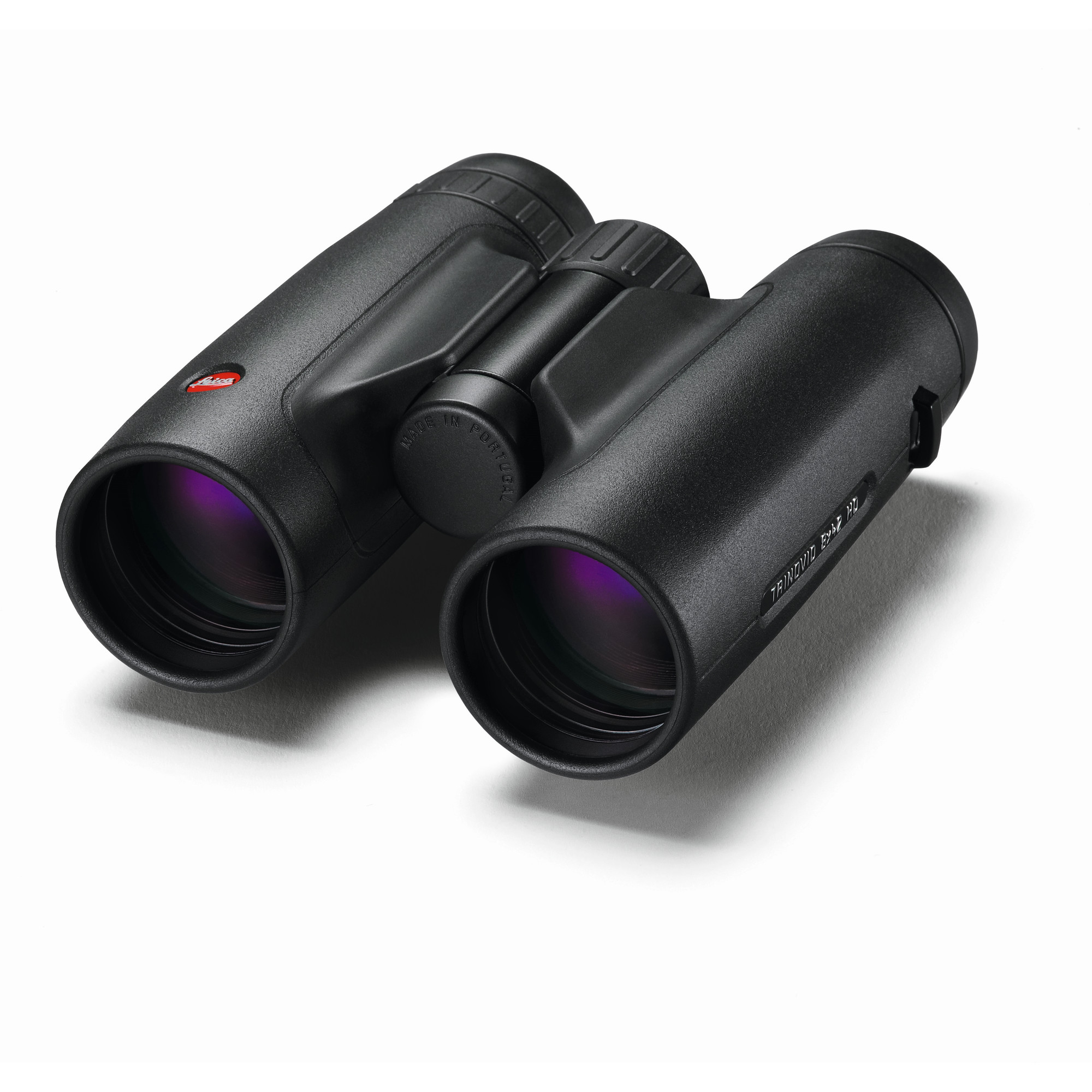
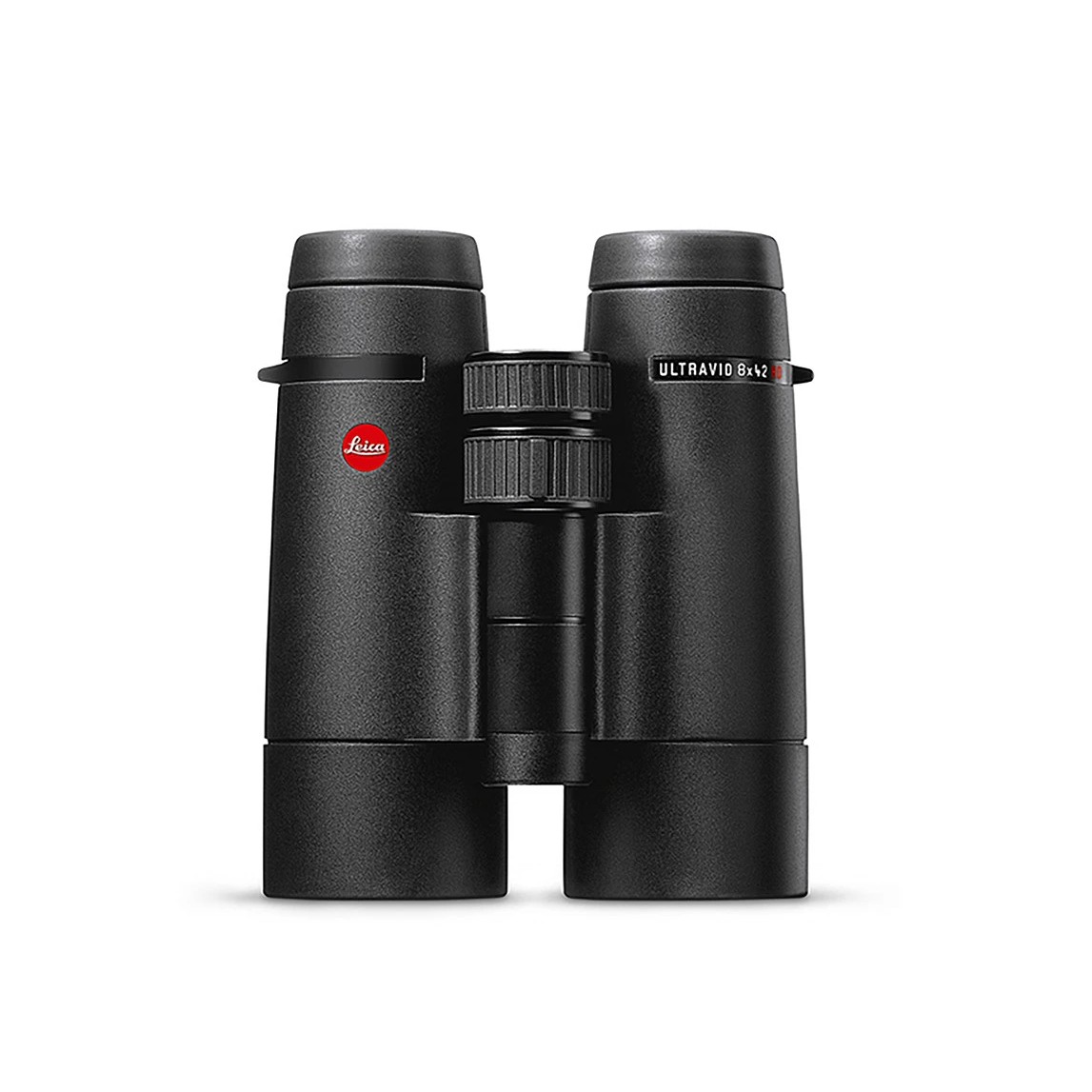
Quick take: The Leica Trinovid HD 8x42 costs $1,499 less; the Leica Ultravid HD-Plus 8x42 has a wider field of view (389 vs 372 ft @ 1000 yds).
Field of view, to scale
Top-down view · drawn to true scale — no exaggeration
Which one to buy
Leica's entry-level 8x42 and its Ultravid HD-Plus share a magnification and nearly the same exit pupil, 5.25mm against 5.2mm, and $1,499 separates them. The Leica Ultravid HD-Plus 8x42 adds a wider 389 ft field against 372, a magnesium body watertight to 16.5 ft, SCHOTT prism glass for better blue-violet transmission, dielectric coatings, and automatic diopter compensation. Trinovid owners themselves note that it lacks the top-tier coatings and field-flattener optics of Leica's higher lines.
On several practical points the Leica Trinovid HD 8x42 comes out ahead anyway. Its 17mm of eye relief beats the Ultravid's 15.5mm for glasses wearers, it focuses to 5.9 ft against 9.8, which owners say makes it a capable butterfly and feeder binocular, and it weighs 25.8 oz against 27.9. Owners describe the classic warm, saturated Leica rendering, eyecups with four firm click stops, and a body that came through freezing rain and sleet. Their complaints are some color fringing on birds against bright sky, an apparent field that feels a little narrow, and a focus wheel that stiffens in deep cold.
For most buyers the Trinovid is the better value by a wide margin, and the better binocular for glasses wearers and close-range nature watching. The Ultravid earns its price for a birder who wants Leica's higher-grade glass and coatings, a wider view and serious waterproofing, and who doesn't need close focus.
Leica Trinovid HD 8x42
The better value for most buyers, and the better pick for glasses wearers and butterfly or feeder watching, at $1,499 less.
Leica Ultravid HD-Plus 8x42
Worth the premium for a birder who wants Leica's higher-grade glass, a wider field and deep waterproofing, and can live without close focus.
| Spec | Leica Trinovid HD 8x42 | Leica Ultravid HD-Plus 8x42 |
|---|---|---|
| Approx. price | ~$1,200 | ~$2,699 |
| Use case | General Purpose | Birding |
| Magnification | 8x | 8x |
| Objective | 42mm | 42mm |
| Exit pupil | 5.25mm | 5.2mm |
| Field of view | 372 ft @ 1000 yds | 389 ft @ 1000 yds |
| Eye relief | 17mm | 15.5mm |
| Close focus | 5.9 ft | 9.8 ft |
| Prism | Roof | Roof |
| Glass | HD | HD |
| Coating | Fully Multi-Coated | Fully Multi-Coated |
| Weight | 25.8 oz | 27.9 oz |
| Dimensions | 5.6 x 4.7 in | 5.6 x 4.8 in |
| Warranty | 10 Years | 10 Years |
Feature comparison
Leica Trinovid HD 8x42
- ✓ED Glass
- ✓Phase-Corrected
- ✗Dielectric Coating
- ✓Waterproof
- ✓Fogproof
- ✗Image Stabilized
- ✓Tripod Adaptable
- ✗Magnesium Body
- ✓Locking Diopter
Leica Ultravid HD-Plus 8x42
- ✓ED Glass
- ✓Phase-Corrected
- ✓Dielectric Coating
- ✓Waterproof
- ✓Fogproof
- ✗Image Stabilized
- ✓Tripod Adaptable
- ✓Magnesium Body
- ✗Locking Diopter
What birders say
Leica Trinovid HD 8x42
- ✓Owners who buy in spite of lukewarm hype consistently report being surprised - 'sharper than expected' and 'really nice' are the recurring first impressions on birding forums
- ✓Classic Leica image character: warm, saturated, contrasty colors that owners describe as more immersive than the clinically neutral Zeiss Conquest HD
- ✓Build and mechanical refinement punch above the price - reviewers call out the eyecups with four positive click stops as better than anything else near $1,000
- ✓Genuine Leica toughness: one hunting reviewer ran them through freezing rain, snow, and sleet on an Alaska goat hunt without a hiccup
- ✓17mm of eye relief on the 8x42 works well for most glasses wearers - notably better than the 10x42 sibling
- ✓5.9 ft close focus is excellent for an 8x42, making it a capable butterfly and feeder binocular
- ✓5.25mm exit pupil plus strong light transmission makes it a forgiving, bright dusk performer
- ✓Long-running owner 'appreciation thread' energy - people who keep them for years say the view still makes them smile, which is the whole Leica pitch
- ✗In side-by-side forum tests some owners give the optical edge on pure resolved detail to the cheaper Zeiss Conquest HD 8x42
- ✗Visible color fringing can appear in high-contrast scenes - birds against a bright sky show more chromatic aberration in the center than expected at this price
- ✗Apparent field of view feels narrower than the numbers suggest; a few owners describe a mild 'tube' effect compared to wide-field rivals
- ✗The warm color bias is polarizing - people who prefer neutral rendition find it too much and pick the Conquest or a Nikon HG instead
- ✗Focus wheel stiffens noticeably in extreme cold, requiring extra effort in freezing temperatures
- ✗At 25.8 oz it's on the heavy side for a mid-priced 8x42 - the Nikon Monarch HG is several ounces lighter
- ✗Doesn't include the top-tier AquaDura coatings or field-flattener optics of Leica's own Ultravid and Noctivid lines
- ✗The 'Leica tax' is real: comparable optical performance is available for hundreds less if you don't care about the red dot and the build quality
Leica Trinovid HD 8x42 vs Leica Ultravid HD-Plus 8x42: common questions
Is the Leica Ultravid HD-Plus 8x42 worth $1,499 more than the Trinovid HD 8x42?▾
For most birders, no. The Ultravid adds a wider field, higher-grade prism glass and coatings, and waterproofing to 16.5 ft, but the Trinovid has longer eye relief, much closer focus and lower weight. Trinovid owners describe a view with the classic Leica color and contrast at well under half the price.
Which Leica 8x42 focuses closer, the Trinovid HD or the Ultravid HD-Plus?▾
The Trinovid HD, at 5.9 ft against the Ultravid HD-Plus's 9.8 ft. Owners say that makes the Trinovid a capable butterfly and feeder binocular, while the Ultravid's figure rules out most close-range insect watching.