Leica Trinovid HD 8x42 vs Leica Trinovid HD 10x42
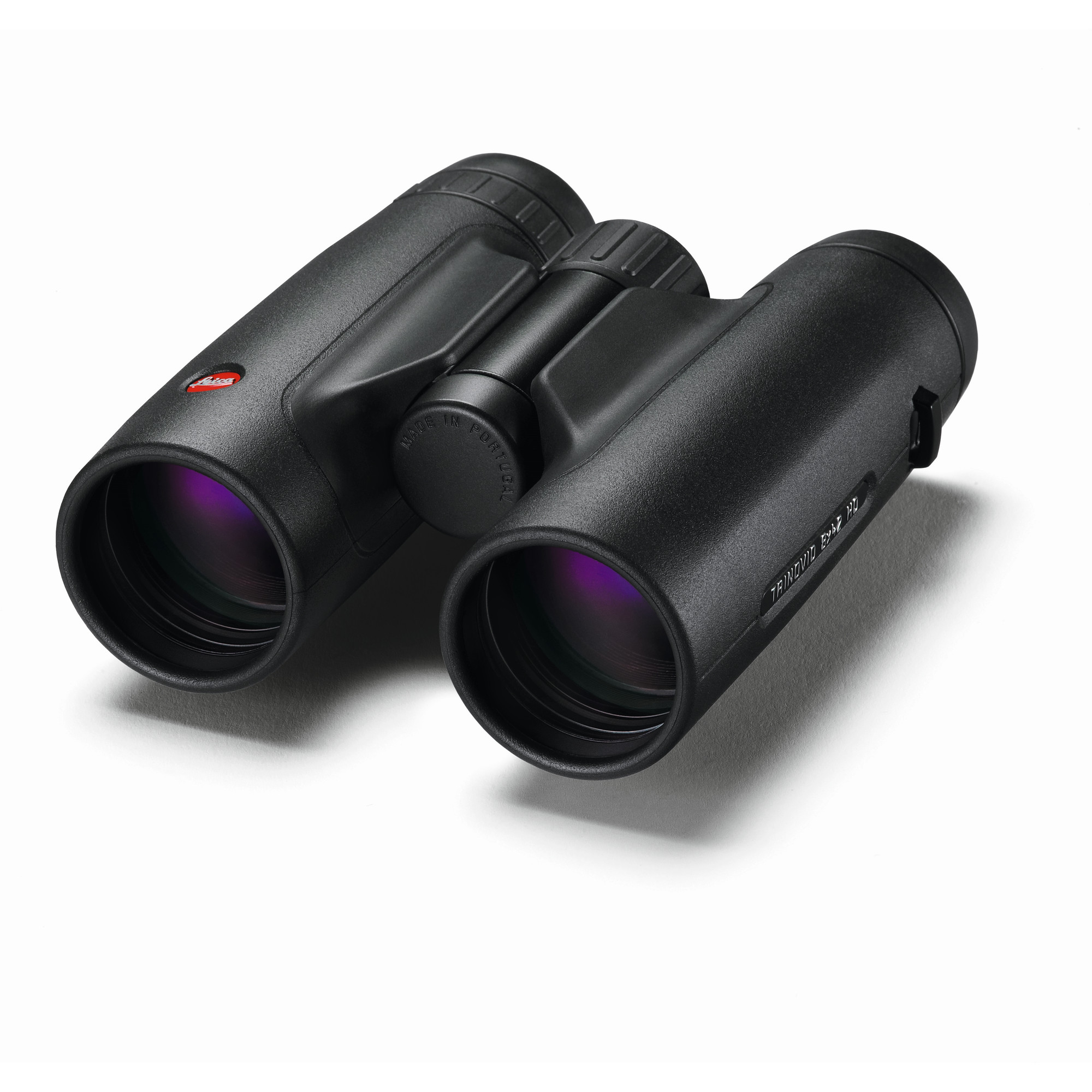
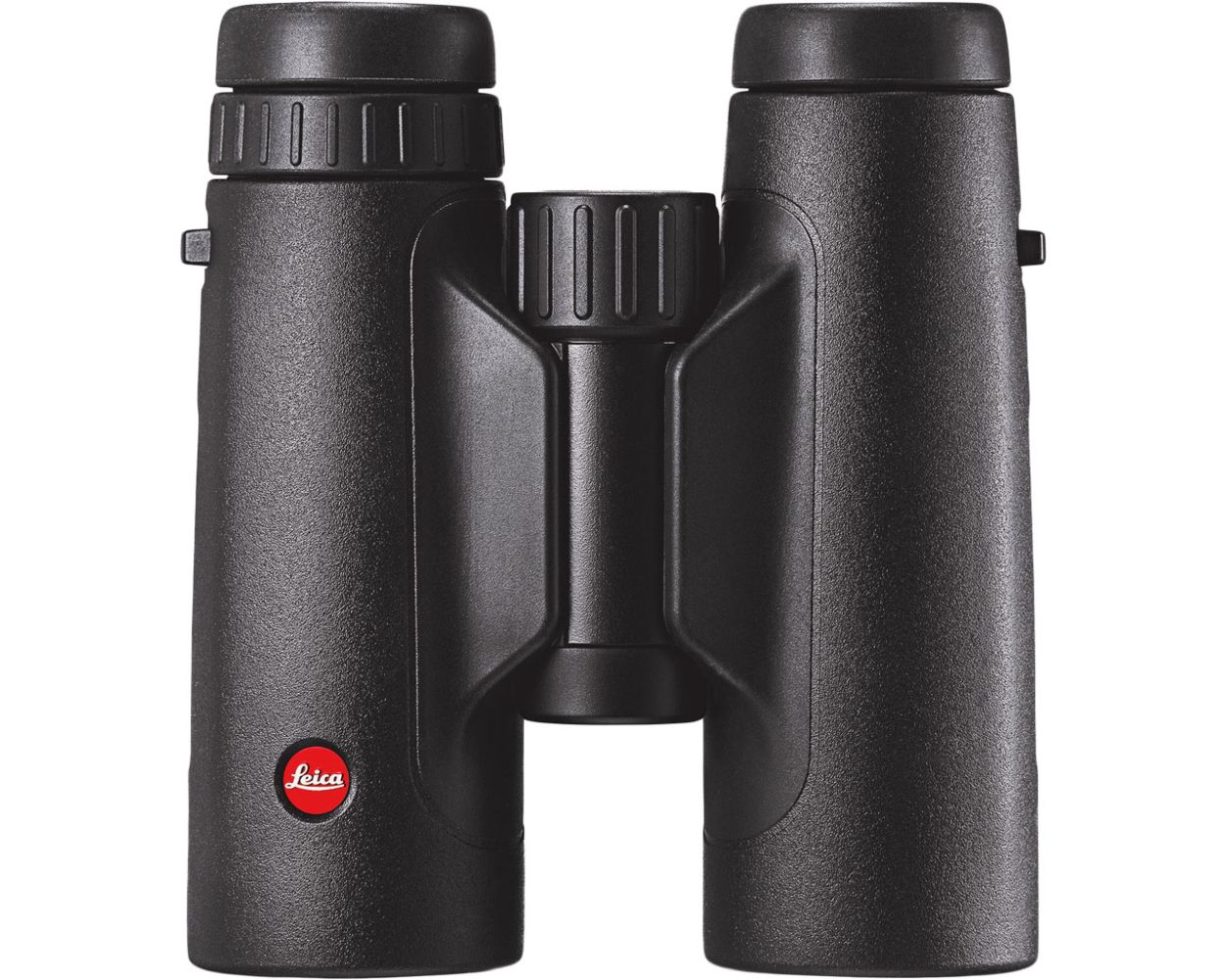
Quick take: The Leica Trinovid HD 10x42 costs $1 less; the Leica Trinovid HD 10x42 reaches farther (10x vs 8x); the Leica Trinovid HD 8x42 has a wider field of view (372 vs 336 ft @ 1000 yds).
Field of view, to scale
Top-down view · drawn to true scale — no exaggeration
Which one to buy
Eye relief decides this pair for anyone who wears glasses, and it's the detail owners raise most. The Leica Trinovid HD 8x42 has 17mm, which owners say works for most glasses wearers; the Leica Trinovid HD 10x42 has 15mm, its biggest weakness by owners' accounts, borderline and dependent on prescription and frames. With the prices a dollar apart, that settles it for spectacle wearers before anything else.
For everyone else, it is the usual 8x-or-10x trade on the same Leica platform. The 8x42 shows 372 ft at 1000 yards against 336 and has a 5.25mm exit pupil against 4.2mm, which owners call forgiving at dusk and in dawn woods. The 10x42 gives reach for hunting and open country, focuses slightly closer at 5.6 ft against 5.9, and weighs 25 oz against 25.8. Testing cited by its owners found its low-light transmission ahead of similarly priced rivals.
The shared traits come through in both sets of owner reports: warm, saturated, contrasty Leica color, eyecups with firm click stops, a sealed body that came through an Alaska goat hunt in freezing rain and sleet, some color fringing against bright skies, an apparent field that feels a little narrow, and a focus wheel that stiffens in extreme cold. None of that separates them; magnification and eye relief do.
Leica Trinovid HD 8x42
For glasses wearers and woodland birders: 17mm of eye relief, a wider field and a brighter view at dusk.
Leica Trinovid HD 10x42
Hunters and open-country glassers who don't wear glasses get extra reach and slightly closer focus for the same money.
| Spec | Leica Trinovid HD 8x42 | Leica Trinovid HD 10x42 |
|---|---|---|
| Approx. price | ~$1,200 | ~$1,199 |
| Use case | General Purpose | General Purpose |
| Magnification | 8x | 10x |
| Objective | 42mm | 42mm |
| Exit pupil | 5.25mm | 4.2mm |
| Field of view | 372 ft @ 1000 yds | 336 ft @ 1000 yds |
| Eye relief | 17mm | 15mm |
| Close focus | 5.9 ft | 5.6 ft |
| Prism | Roof | Roof |
| Glass | HD | HD |
| Coating | Fully Multi-Coated | Fully Multi-Coated |
| Weight | 25.8 oz | 25 oz |
| Dimensions | 5.6 x 4.7 in | 5.6 x 4.7 in |
| Warranty | 10 Years | 10 Years |
Feature comparison
Leica Trinovid HD 8x42
- ✓ED Glass
- ✓Phase-Corrected
- ✗Dielectric Coating
- ✓Waterproof
- ✓Fogproof
- ✗Image Stabilized
- ✓Tripod Adaptable
- ✗Magnesium Body
- ✓Locking Diopter
Leica Trinovid HD 10x42
- ✓ED Glass
- ✓Phase-Corrected
- ✗Dielectric Coating
- ✓Waterproof
- ✓Fogproof
- ✗Image Stabilized
- ✓Tripod Adaptable
- ✗Magnesium Body
- ✓Locking Diopter
What birders say
Leica Trinovid HD 8x42
- ✓Owners who buy in spite of lukewarm hype consistently report being surprised - 'sharper than expected' and 'really nice' are the recurring first impressions on birding forums
- ✓Classic Leica image character: warm, saturated, contrasty colors that owners describe as more immersive than the clinically neutral Zeiss Conquest HD
- ✓Build and mechanical refinement punch above the price - reviewers call out the eyecups with four positive click stops as better than anything else near $1,000
- ✓Genuine Leica toughness: one hunting reviewer ran them through freezing rain, snow, and sleet on an Alaska goat hunt without a hiccup
- ✓17mm of eye relief on the 8x42 works well for most glasses wearers - notably better than the 10x42 sibling
- ✓5.9 ft close focus is excellent for an 8x42, making it a capable butterfly and feeder binocular
- ✓5.25mm exit pupil plus strong light transmission makes it a forgiving, bright dusk performer
- ✓Long-running owner 'appreciation thread' energy - people who keep them for years say the view still makes them smile, which is the whole Leica pitch
- ✗In side-by-side forum tests some owners give the optical edge on pure resolved detail to the cheaper Zeiss Conquest HD 8x42
- ✗Visible color fringing can appear in high-contrast scenes - birds against a bright sky show more chromatic aberration in the center than expected at this price
- ✗Apparent field of view feels narrower than the numbers suggest; a few owners describe a mild 'tube' effect compared to wide-field rivals
- ✗The warm color bias is polarizing - people who prefer neutral rendition find it too much and pick the Conquest or a Nikon HG instead
- ✗Focus wheel stiffens noticeably in extreme cold, requiring extra effort in freezing temperatures
- ✗At 25.8 oz it's on the heavy side for a mid-priced 8x42 - the Nikon Monarch HG is several ounces lighter
- ✗Doesn't include the top-tier AquaDura coatings or field-flattener optics of Leica's own Ultravid and Noctivid lines
- ✗The 'Leica tax' is real: comparable optical performance is available for hundreds less if you don't care about the red dot and the build quality
Leica Trinovid HD 10x42
- ✓Field Ethos' hunting review title says it all - 'Buy them' - after running the 10x42 through an Alaska goat hunt in freezing rain, snow, and sleet
- ✓Reviewers call it one of the best deals in binoculars: roughly 90% of the flagship Noctivid's performance at about a third of the price
- ✓Sharp, bright, detailed daytime view with natural color rendition that reviewers say renders every scene crisply even at closest focus
- ✓In side-by-side tests reviewers found it superior to similarly-priced rivals in low-light resolution and light transmission
- ✓Superb 5.6 ft close focus - unusually good for a 10x42 and better than the 8x42 sibling on paper
- ✓Leica build quality at its most accessible: fully sealed, nitrogen purged, compact at under 6 inches tall, with excellent click-stop eyecups
- ✓Smooth, precise focus action that owners report stays reliable - 'not fast, but smooth' is the common description
- ✓Classic Leica contrast and color pop gives the image a richness owners say cheaper 10x42s like the Vortex Viper HD can't match
- ✗15mm of eye relief is the model's biggest weakness - glasses wearers on forums report it's borderline, with success depending entirely on prescription and frame fit
- ✗The 8x42 sibling offers 17mm of eye relief, making the 10x42 the clearly worse pick for spectacle wearers
- ✗336 ft field of view is average, and the conservative apparent field gives some users a mild tunnel feeling next to wide-field rivals
- ✗Lacks the last bit of crystal-fine resolution of true alpha glass - reviewers note the optical fabrication is a step below Noctivid/Ultravid level
- ✗Color fringing appears in high-contrast scenes, more than some expect from the HD label
- ✗Focus knob stiffens in extremely cold temperatures
- ✗At 25 oz it's heavier than lighter rivals like the Nikon Monarch HG 10x42
- ✗The Zeiss Conquest HD 10x42 costs less and resolves comparably, so the Trinovid premium is buying build and image character rather than measurable performance
Leica Trinovid HD 8x42 vs Leica Trinovid HD 10x42: common questions
Should glasses wearers buy the Leica Trinovid HD 8x42 or the 10x42?▾
The 8x42. Owners say its 17mm of eye relief works for most glasses wearers, while the 10x42's 15mm is borderline and depends on your prescription and frames. At effectively the same price, there is little reason to gamble on the 10x42 in glasses.
Is the Leica Trinovid HD 10x42 better for hunting than the 8x42?▾
For open-country hunting, usually. The 10x gives more reach, and owners report it came through freezing rain, snow and sleet on an Alaska goat hunt. In timber and at dusk the 8x42 is hard to beat, thanks to its wider field and 5.25mm exit pupil.