Leica Trinovid HD 10x42 vs Leica Ultravid 10x25
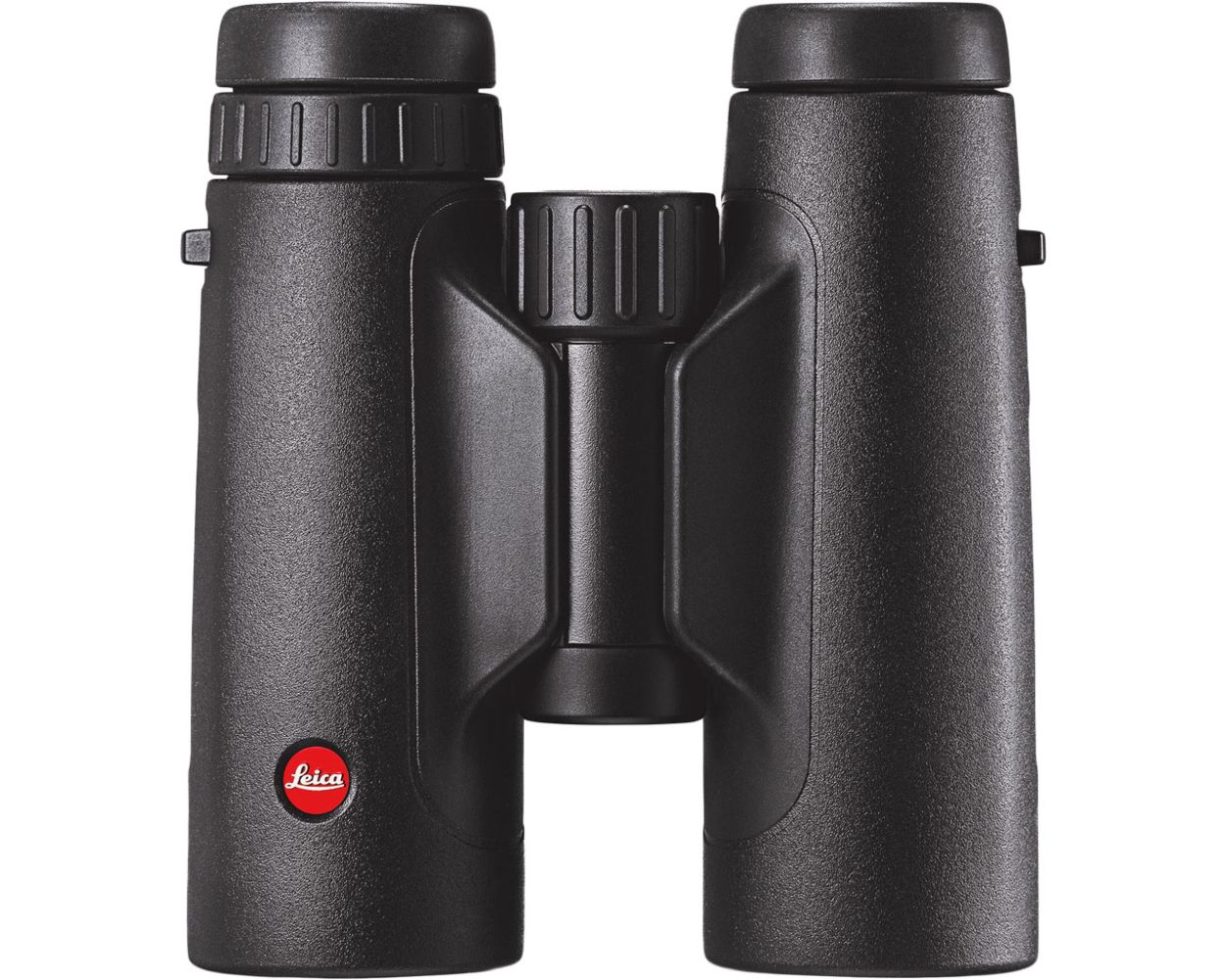
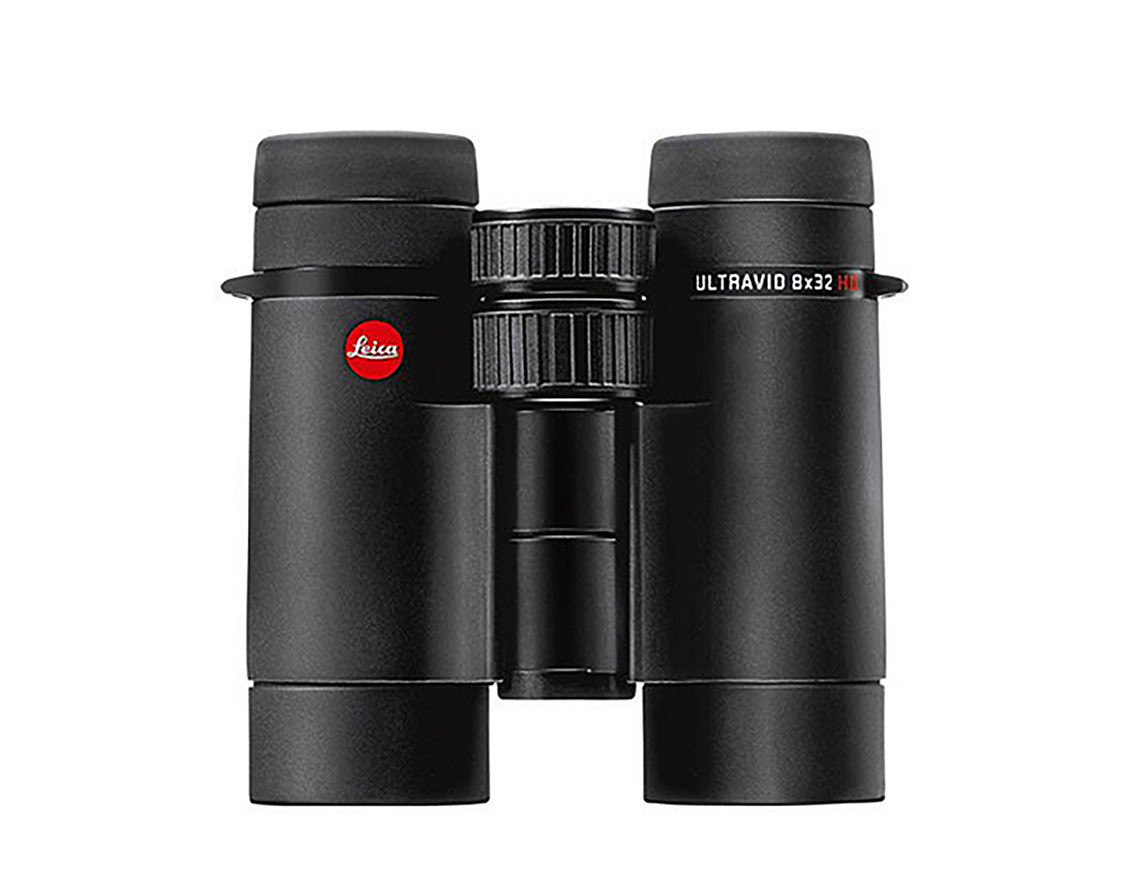
Quick take: The Leica Ultravid 10x25 costs $199 less; the Leica Trinovid HD 10x42 has a wider field of view (336 vs 273 ft @ 1000 yds); the Leica Trinovid HD 10x42 gathers more light with a larger 42mm objective.
Field of view, to scale
Top-down view · drawn to true scale — no exaggeration
Which one to buy
The real question here is where the binocular will live. The Leica Ultravid 10x25 weighs 8.8 oz and folds into a jacket pocket, and its owners call it the best pocket binocular made, with almost no color fringing and sharpness that holds to the edge. The Leica Trinovid HD 10x42 weighs 25 oz and lives on a strap, and its owners call it one of the best deals in premium binoculars, close to flagship Leica performance for far less. At $199 apart, price barely enters into it.
Optically, the 42mm objectives change everything that happens away from bright daylight. The Trinovid's 4.2mm exit pupil against the Ultravid's 2.5mm means a brighter, easier view, and testing found its low-light transmission ahead of similarly priced rivals. Its 336 ft field beats the pocket model's 273, and it focuses to 5.6 ft against 8.2. Owners of the 10x25 say the small exit pupil makes eye placement fussy until you learn it, that 10x in such a light body shakes visibly, and that it is a daylight binocular, full stop.
The Trinovid has its own complaints: 15mm of eye relief that glasses wearers call borderline, some color fringing in high-contrast scenes, and a focus wheel that stiffens in deep cold, though one hunting review ran it through freezing rain and sleet without trouble. The Ultravid also has 15mm, and its dual hinge has to be re-spread every time it comes out of a pocket.
As a main binocular for birding or hunting, the Trinovid 10x42 is the clear choice. The Ultravid 10x25 is a second binocular for travel, hikes and days when a full-size would stay home, and owners who have tried both pocket Leicas often find the 8x20 steadier.
Leica Trinovid HD 10x42
The better main binocular for birding and hunting: brighter, wider and steadier, and owners say it shrugs off foul weather.
Leica Ultravid 10x25
For travel and pocket carry by an experienced user, as a second binocular rather than your only one.
| Spec | Leica Trinovid HD 10x42 | Leica Ultravid 10x25 |
|---|---|---|
| Approx. price | ~$1,199 | ~$1,000 |
| Use case | General Purpose | General Purpose |
| Magnification | 10x | 10x |
| Objective | 42mm | 25mm |
| Exit pupil | 4.2mm | 2.5mm |
| Field of view | 336 ft @ 1000 yds | 273 ft @ 1000 yds |
| Eye relief | 15mm | 15mm |
| Close focus | 5.6 ft | 8.2 ft |
| Prism | Roof | Roof |
| Glass | HD | HD |
| Coating | Fully Multi-Coated | Fully Multi-Coated |
| Weight | 25 oz | 8.8 oz |
| Dimensions | 5.6 x 4.7 in | 4.4 x 4.1 in |
| Warranty | 10 Years | 10 Years |
Feature comparison
Leica Trinovid HD 10x42
- ✓ED Glass
- ✓Phase-Corrected
- ✗Dielectric Coating
- ✓Waterproof
- ✓Fogproof
- ✗Image Stabilized
- ✓Tripod Adaptable
- ✗Magnesium Body
- ✓Locking Diopter
Leica Ultravid 10x25
- ✓ED Glass
- ✓Phase-Corrected
- ✗Dielectric Coating
- ✓Waterproof
- ✓Fogproof
- ✗Image Stabilized
- ✗Tripod Adaptable
- ✗Magnesium Body
- ✗Locking Diopter
What birders say
Leica Trinovid HD 10x42
- ✓Field Ethos' hunting review title says it all - 'Buy them' - after running the 10x42 through an Alaska goat hunt in freezing rain, snow, and sleet
- ✓Reviewers call it one of the best deals in binoculars: roughly 90% of the flagship Noctivid's performance at about a third of the price
- ✓Sharp, bright, detailed daytime view with natural color rendition that reviewers say renders every scene crisply even at closest focus
- ✓In side-by-side tests reviewers found it superior to similarly-priced rivals in low-light resolution and light transmission
- ✓Superb 5.6 ft close focus - unusually good for a 10x42 and better than the 8x42 sibling on paper
- ✓Leica build quality at its most accessible: fully sealed, nitrogen purged, compact at under 6 inches tall, with excellent click-stop eyecups
- ✓Smooth, precise focus action that owners report stays reliable - 'not fast, but smooth' is the common description
- ✓Classic Leica contrast and color pop gives the image a richness owners say cheaper 10x42s like the Vortex Viper HD can't match
- ✗15mm of eye relief is the model's biggest weakness - glasses wearers on forums report it's borderline, with success depending entirely on prescription and frame fit
- ✗The 8x42 sibling offers 17mm of eye relief, making the 10x42 the clearly worse pick for spectacle wearers
- ✗336 ft field of view is average, and the conservative apparent field gives some users a mild tunnel feeling next to wide-field rivals
- ✗Lacks the last bit of crystal-fine resolution of true alpha glass - reviewers note the optical fabrication is a step below Noctivid/Ultravid level
- ✗Color fringing appears in high-contrast scenes, more than some expect from the HD label
- ✗Focus knob stiffens in extremely cold temperatures
- ✗At 25 oz it's heavier than lighter rivals like the Nikon Monarch HG 10x42
- ✗The Zeiss Conquest HD 10x42 costs less and resolves comparably, so the Trinovid premium is buying build and image character rather than measurable performance
Leica Ultravid 10x25
- ✓Forum regulars call it 'probably the best pocket binocular on the market' - genuine alpha-class optics that folds into a coat pocket
- ✓Very bright for a 25mm with next to no chromatic aberration and sharpness that holds to the edge - owners are consistently startled that a pocket glass resolves this well
- ✓At under 9 ounces it disappears in a jacket pocket, which owners say is the whole point: the binocular you actually have with you sees more birds than the alpha at home
- ✓Genuinely weather-sealed and nitrogen purged - rare in the pocket class, where most rivals are splash-resistant at best
- ✓10x reach in a pocket format is unique among true premium compacts - great for travel, safaris, stadium use, and scanning from a scenic overlook
- ✓Outperforms cheaper compacts like Nikon's in mixed and difficult lighting despite the size handicap
- ✓Leica build quality in miniature - machined metal chassis and a precise focus action that owners describe as jewel-like
- ✓Holds value well; owners describe it as the 'first alpha-class pocketable binocular' worth keeping for decades
- ✗The 2.5mm exit pupil makes eye placement genuinely fussy - owners report it takes practice to avoid blackouts, and it's unforgiving for beginners
- ✗10x magnification in a sub-9-ounce package is hard to hold steady - the lack of mass works against you, and even experienced users notice the shake
- ✗Owners who've had both frequently prefer the 8x20 Ultravid: same exit pupil, steadier view, even smaller package
- ✗That small exit pupil means it dims quickly at dusk - this is a daylight binocular, full stop
- ✗273 ft field of view is narrow, making it harder to find and follow birds than a full-size glass
- ✗The dual-hinge fold design must be unfolded and repositioned to your interpupillary distance every time you pull it out
- ✗Some owners have reported diopter problems on Leica's pocket models
- ✗Around $1,000 for a second/travel binocular is a hard swallow when the Swarovski CL Pocket 10x25 undercuts it
Leica Trinovid HD 10x42 vs Leica Ultravid 10x25: common questions
Can the Leica Ultravid 10x25 replace a full-size binocular like the Trinovid HD 10x42?▾
Not for most people. Its 2.5mm exit pupil dims quickly at dusk and makes eye placement fussy, and owners describe it as a daylight binocular. It works best as a travel or pocket companion to a full-size glass like the Trinovid HD 10x42.
Are the Leica Trinovid HD 10x42 and Ultravid 10x25 good with eyeglasses?▾
Both have 15mm of eye relief, which Trinovid owners call borderline for glasses wearers, with success depending on prescription and frames. Try either in person if you always glass in glasses; Leica's Trinovid HD 8x42 offers 17mm and gets far fewer complaints.