Leica Noctivid 10x42 vs Leica Ultravid HD-Plus 8x42
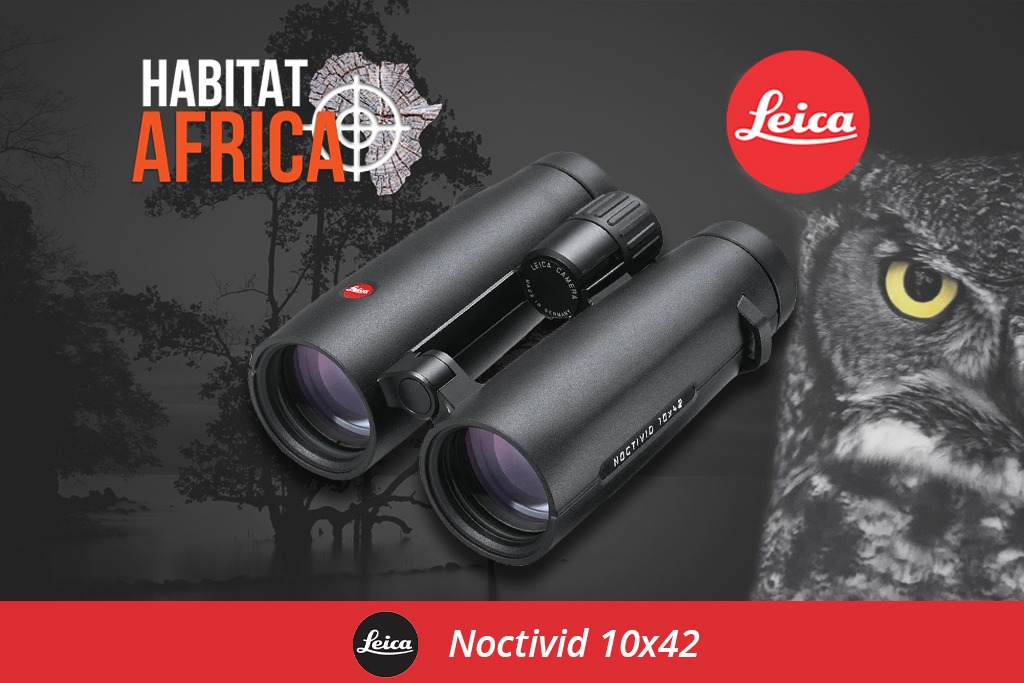
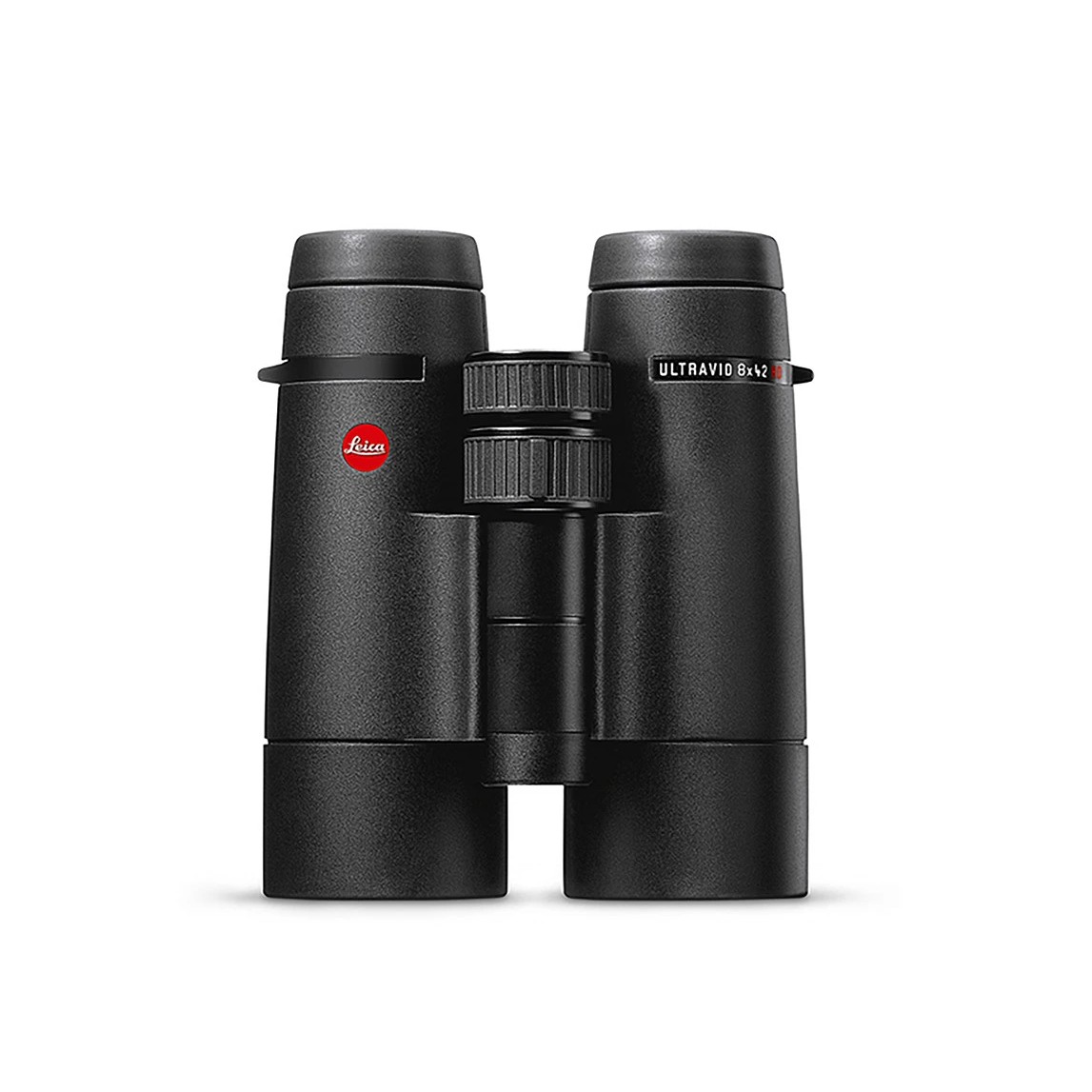
Quick take: The Leica Ultravid HD-Plus 8x42 costs $700 less; the Leica Noctivid 10x42 reaches farther (10x vs 8x); the Leica Ultravid HD-Plus 8x42 has a wider field of view (389 vs 336 ft @ 1000 yds).
Field of view, to scale
Top-down view · drawn to true scale — no exaggeration
Which one to buy
Seven hundred dollars buys the Leica Noctivid 10x42 over the Leica Ultravid HD-Plus 8x42, but the bigger difference is magnification, and on most practical points the cheaper Ultravid holds up well. It shows 389 ft at 1000 yards against the Noctivid's 336, has a 5.2mm exit pupil against 4.2mm, and weighs 27.9 oz to 30.4. It is watertight to 16.5 ft, uses SCHOTT prism glass for better blue-violet transmission, and adds automatic diopter compensation.
The Noctivid's case is image character and a few handling details. Owners describe its view as the most pleasing in the alpha class, with deep, saturated color, the best micro-contrast they've seen and a rich three-dimensional look, and they praise its brightness at dusk. Its eye relief, measured at a genuine 17mm from the eyecup rim, is friendlier to glasses than the Ultravid's rated 15.5mm, and it focuses to 6.2 ft against 9.8. Owners also report mixed glare behavior, a pull-out diopter that can be knocked loose, soft eyecup stops and a warm color bias.
For most birders the Ultravid 8x42 makes more sense: wider, brighter at dusk by virtue of its exit pupil, lighter, and $700 cheaper. The Noctivid earns its premium for someone who wants 10x, wears glasses, watches butterflies and feeders up close, or has looked through one and fallen for the rendering.
Leica Noctivid 10x42
Worth the premium for a glasses wearer who wants 10x, focus down to 6.2 ft, and the rendering owners call the most pleasing in its class.
Leica Ultravid HD-Plus 8x42
The more sensible Leica for most birders: wider, lighter, a bigger exit pupil and automatic diopter compensation, for $700 less.
| Spec | Leica Noctivid 10x42 | Leica Ultravid HD-Plus 8x42 |
|---|---|---|
| Approx. price | ~$3,399 | ~$2,699 |
| Use case | Birding | Birding |
| Magnification | 10x | 8x |
| Objective | 42mm | 42mm |
| Exit pupil | 4.2mm | 5.2mm |
| Field of view | 336 ft @ 1000 yds | 389 ft @ 1000 yds |
| Eye relief | 19mm | 15.5mm |
| Close focus | 6.2 ft | 9.8 ft |
| Prism | Roof | Roof |
| Glass | FL | HD |
| Coating | Fully Multi-Coated | Fully Multi-Coated |
| Weight | 30.4 oz | 27.9 oz |
| Dimensions | 5.6 x 4.9 in | 5.6 x 4.8 in |
| Warranty | 10 Years | 10 Years |
Feature comparison
Leica Noctivid 10x42
- ✓ED Glass
- ✓Phase-Corrected
- ✓Dielectric Coating
- ✓Waterproof
- ✓Fogproof
- ✗Image Stabilized
- ✓Tripod Adaptable
- ✓Magnesium Body
- ✓Locking Diopter
Leica Ultravid HD-Plus 8x42
- ✓ED Glass
- ✓Phase-Corrected
- ✓Dielectric Coating
- ✓Waterproof
- ✓Fogproof
- ✗Image Stabilized
- ✓Tripod Adaptable
- ✓Magnesium Body
- ✗Locking Diopter
What birders say
Leica Noctivid 10x42
- ✓Owners consistently describe the image character as the best in the business - in multi-binocular tests it's repeatedly picked as 'the most pleasing' with the best micro-contrast
- ✓Deep, saturated color and contrast that gives the image the famous Leica '3D' richness - the reason people choose it over spec-sheet winners
- ✓Excellent real-world eye relief - reviewers measured a genuine 17mm from the eyecup rim and report blackouts are essentially eradicated by the eyepiece design
- ✓Some reviewers found it remarkably resistant to ghosting and veiling glare even glassing toward a setting sun
- ✓SCHOTT HT glass and top-tier coatings make it one of the brightest 10x42s made - dusk performance is a repeated owner highlight
- ✓Compact, stubby body is shorter than most 10x42 flagships and balances beautifully in smaller hands
- ✓6.2 ft close focus is excellent for a flagship 10x, good enough for butterflies and close feeder work
- ✓Tank-like Wetzlar build quality - owners on photography and hunting forums alike report years of hard use without a rattle
- ✗336 ft field of view trails the Swarovski NL Pure (399 ft) and Zeiss SF noticeably - the main reason cross-shoppers walk away
- ✗No field-flattener design, so edges soften compared to the NL Pure and SF - fine for centered viewing, behind the times for edge junkies
- ✗Glare reports are genuinely mixed: while some reviewers found it glare-proof, other owners report weak veiling glare in strong light that flattens contrast
- ✗One owner documented an unblackened reflective brass knob at the focuser base that can scatter light - possibly sample-specific, but it sparked a long forum thread
- ✗The pull-out diopter integrated into the focus knob can be accidentally disengaged, and at least one owner had it stick due to dust
- ✗Color rendition leans warm - one owner found blacks rendered slightly brownish and the balance on the yellow-green side, which not everyone loves
- ✗Eyecups lack the crisp, positive click stops of rivals - critics say Leica's ergonomics feel a generation behind Swarovski's
- ✗At 30.4 oz it's no lighter than the bigger-bodied competition, and there's no forehead-rest ecosystem like the NL Pure's
Leica Noctivid 10x42 vs Leica Ultravid HD-Plus 8x42: common questions
Is the Leica Noctivid 10x42 worth $700 more than the Ultravid HD-Plus 8x42?▾
For most birders, no. The Ultravid 8x42 has the wider 389 ft field, a larger 5.2mm exit pupil and lower weight. The Noctivid earns the premium through longer eye relief, closer focus and the saturated, high-contrast image its owners rate as the most pleasing among alpha binoculars.
Which Leica works better with eyeglasses, the Noctivid 10x42 or the Ultravid HD-Plus 8x42?▾
The Noctivid. Owners measured a genuine 17mm of eye relief from the eyecup rim and report blackouts are essentially eliminated. The Ultravid HD-Plus 8x42 has 15.5mm, which is tighter for glasses wearers, so try one first if you wear them.